

Best Phones Under ₦200,000 in Nigeria 2026 – Complete Buyer's Guide
We researched phones around ₦200,000 in Nigeria to find where your money goes furthest, what compromises to expect and which models are actually worth considering.

Finding a genuinely good smartphone below ₦200,000 in Nigeria in 2026 is more difficult than simply searching for “cheap phones.”
We discovered this while updating our previous recommendations. Several phones that used to fit comfortably within this budget no longer do. Our September 2026 price research found the Samsung Galaxy A16 5G, Redmi Note 14 4G, Tecno Camon 30 and Infinix Hot 50 Pro+ have moved beyond our ₦200,000 limit in current market references.
So we removed them. We then researched what someone walking into the Nigerian market today with a hard ₦200,000 ceiling can realistically consider. Our shortlist focuses on the actual buying decision: current price, storage, battery, display, software longevity and what you're sacrificing to stay below ₦200,000.
Our Picks at a Glance
Phone | Price We Found | Best For | Main Compromise |
|---|---|---|---|
Samsung Galaxy A07 | Around ₦190K for 4/128GB | Long-term ownership | HD+ LCD |
Tecno Spark 40 | Around ₦163K–₦193K for 4/128GB | Best all-round value | 4G only |
Infinix Hot 60i | Around ₦165K–₦197K for 4/128GB | Everyday use | Entry-level performance |
Redmi 15C 4G | Around ₦148K–₦198K for 128GB | Battery life | Large HD+ display |
Redmi 14C | Around ₦135K–₦175K depending configuration/stock | Lowest-cost Android | Older model |
UK-used iPhone XR | Around ₦135K–₦220K for 128GB | Cheapest usable iPhone option | No iOS 27 |
Prices aren't permanent. Nigerian smartphone pricing changes quickly, and RAM/storage configuration matters. Our rule for this guide is simple: if the exact phone you're offered exceeds ₦200,000, it no longer qualifies for this list.
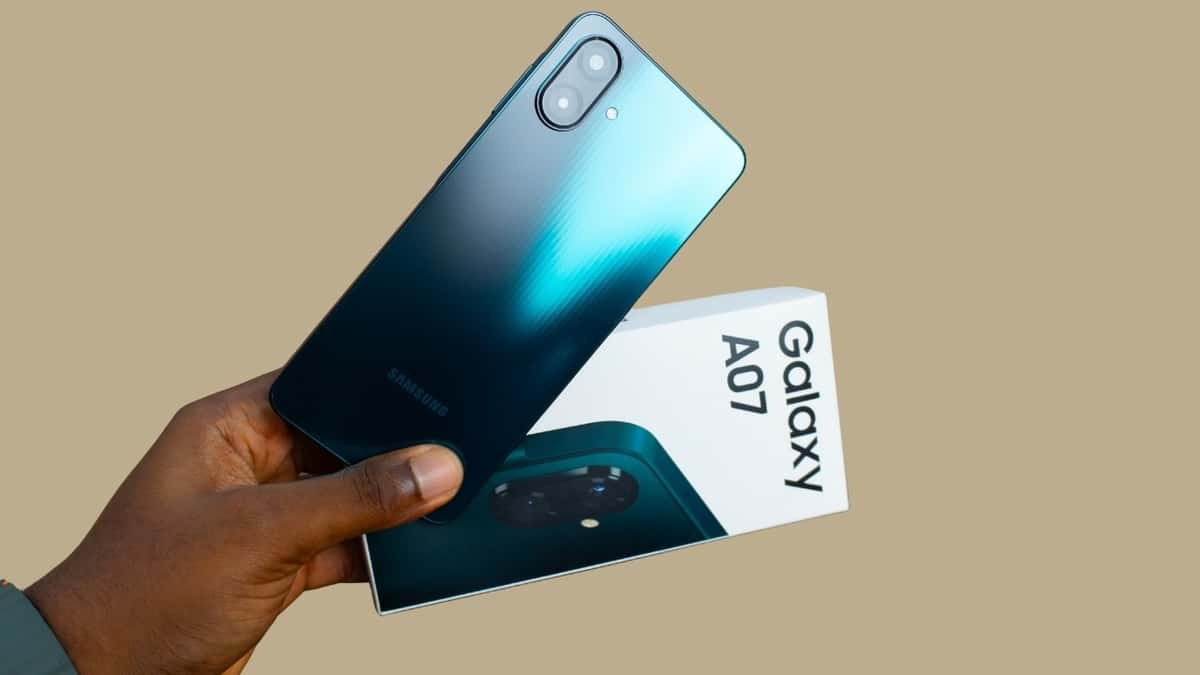
1. Samsung Galaxy A07 — Our Pick for Long-Term Ownership
Price target: ₦180,000–₦200,000 for 4GB/128GB
Our current market research found a typical new 128GB Galaxy A07 price of about ₦190,000, although individual listings stretch both below and above that figure.
What makes the A07 interesting isn't that Samsung has somehow hidden flagship hardware inside a ₦200,000 phone. It hasn't.
You get a 6.7-inch 720 × 1600 LCD, 50MP main camera, 8MP selfie camera, 5,000mAh battery, microSD expansion and 4G connectivity.
Those are straightforward budget-phone specifications. What caught our attention is longevity. Samsung's current support information lists security updates for the Galaxy A07 through 31 August 2031.
For a buyer who wants to keep the same phone for several years, that's potentially more important than having the highest megapixel count.
What we like
The A07 makes sense for WhatsApp, banking apps, browsing, YouTube, schoolwork and everyday communication. Storage can also be expanded by microSD up to 2TB.
What you give up
The biggest compromise is the display. At 720p, it isn't as sharp as the Full HD AMOLED screens that were once obtainable around this price range. There's also no 5G on the Nigerian/African A07 specification we checked.
Who should buy it?
Students, parents, business users and anyone prioritising software longevity over gaming hardware.
Our buying threshold: We'd consider the 4/128GB version at ₦200,000 or below. Above that, we'd start comparing other options.
2. Tecno Spark 40 — The Value Pick That Surprised Us
Price target: ₦160,000–₦195,000
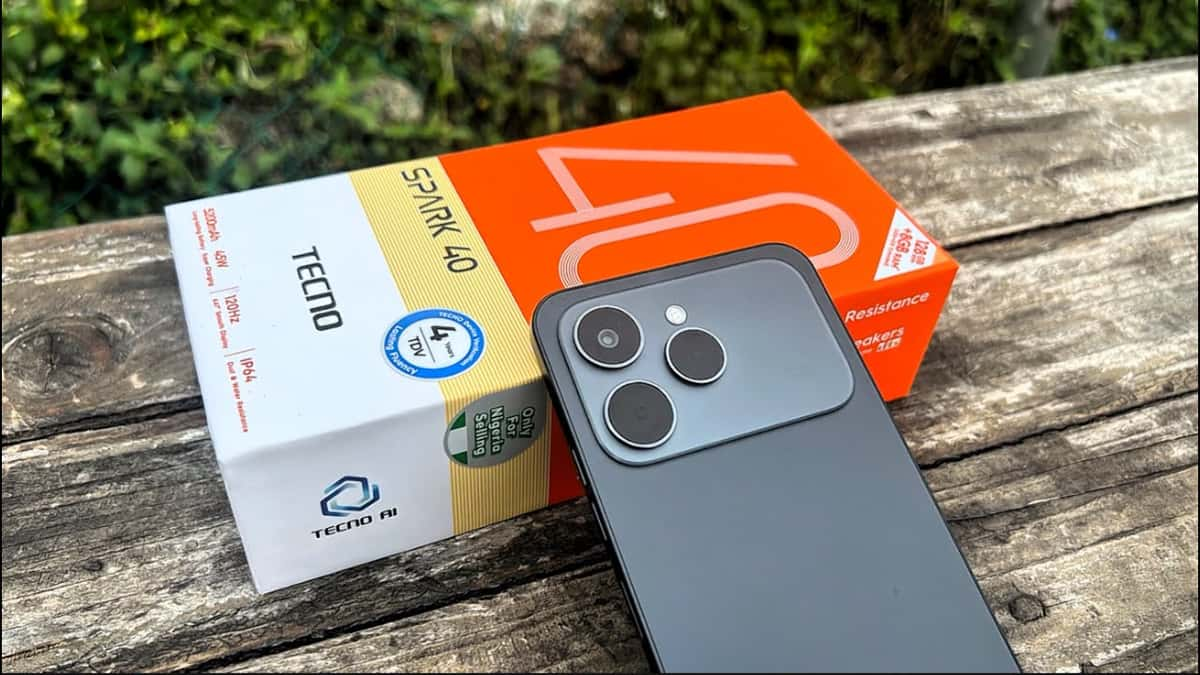
The Spark 40 is one of the more interesting discoveries from our updated research. We found the 128GB/4GB version around ₦193,000 in one tracked retail reference, while another current market check puts new units around ₦166,000 typically.
At that price, the hardware combination makes sense. Tecno's specification gives you a 6.67-inch 120Hz display, 50MP rear camera, 8MP front camera, 5,200mAh battery and 45W charging. It runs Android 15 and uses the Helio G81, with a G91 listed for an NFC version.
Why we think it stands out
The 45W charging is particularly useful at this price. Budget phones frequently pair large batteries with slow charging. Spark 40 gives you the big 5,200mAh capacity without forcing you to rely on 10W or 15W charging. You also get a 120Hz display and dual speakers.
What the specifications don't tell you
Don't confuse a 120Hz refresh rate with premium display quality. This remains a 720 × 1600 panel, and the Helio G81/G91 platform is intended for affordable smartphones rather than demanding gaming.
We'd expect it to handle WhatsApp, TikTok, YouTube, navigation and casual gaming comfortably, but we wouldn't buy it expecting flagship-level Call of Duty Mobile performance.
Who should buy it?
Someone who wants a balanced new Android phone without spending the entire ₦200,000 budget.
Our buying threshold: The Spark 40 becomes particularly attractive around ₦160,000–₦180,000.
3. Infinix Hot 60i — A Practical Everyday Phone
Price target: ₦165,000–₦197,000 for 128GB
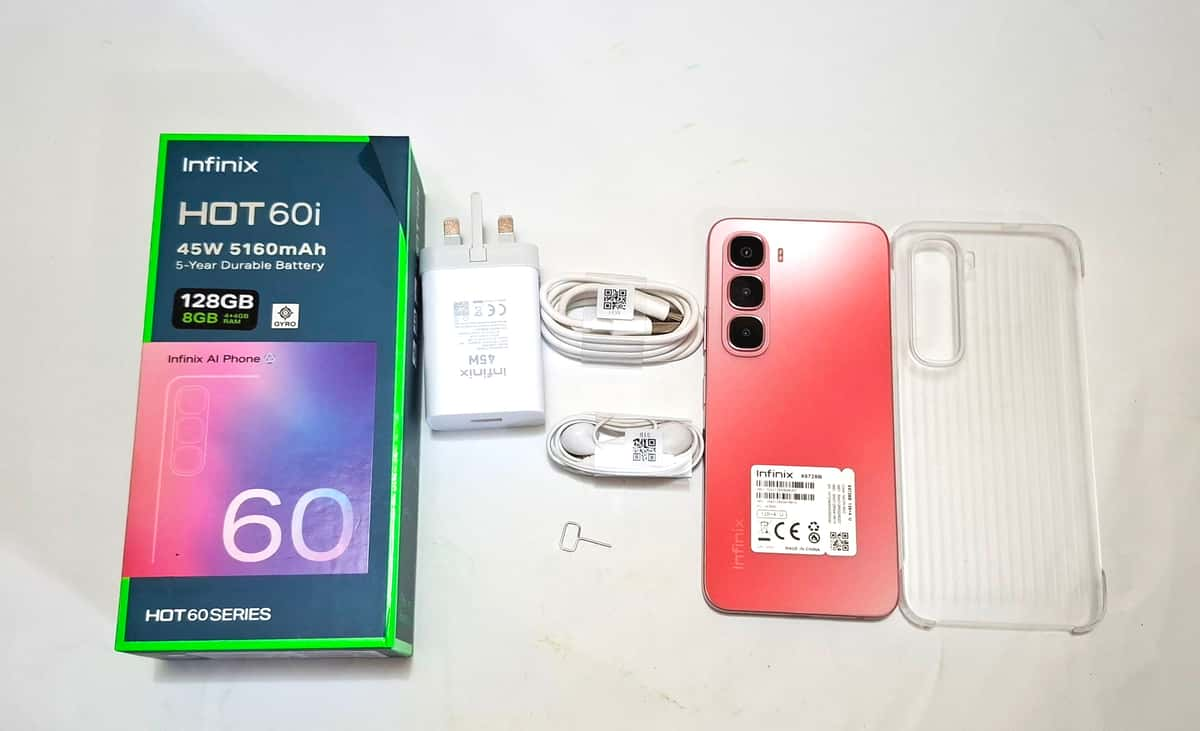
Our September price check found new Hot 60i 128GB units between roughly ₦165,000 and ₦197,000, with about ₦185,000 representing a typical price among the offers examined. That's exactly where we want a phone in this guide to sit: below the budget rather than technically qualifying only because of one unusually cheap listing.
The 4G Hot 60i combines a 6.7-inch 120Hz LCD, Helio G81 Ultimate processor, 50MP main camera and 5,160mAh battery.
What we found compelling
For normal smartphone workloads, the package is sensible. Social media, email, WhatsApp, web browsing, video streaming and lighter games shouldn't require expensive flagship hardware. The 120Hz screen also makes scrolling feel more responsive even though the underlying display resolution remains firmly budget-class.
Where we'd be careful
RAM and storage configurations vary. We wouldn't pay close to ₦200,000 for a low-storage configuration simply because the Hot 60i name is on the box. Always compare the exact RAM and storage before paying.
Who should buy it?
Students and everyday users looking for a modern Android phone with a large battery and smooth display.
4. Redmi 15C 4G — Our Battery-Focused Pick
Price target: ₦150,000–₦198,000 for 128GB
Our research found something important about the Redmi 15C: the storage configuration can determine whether it belongs in this guide at all.
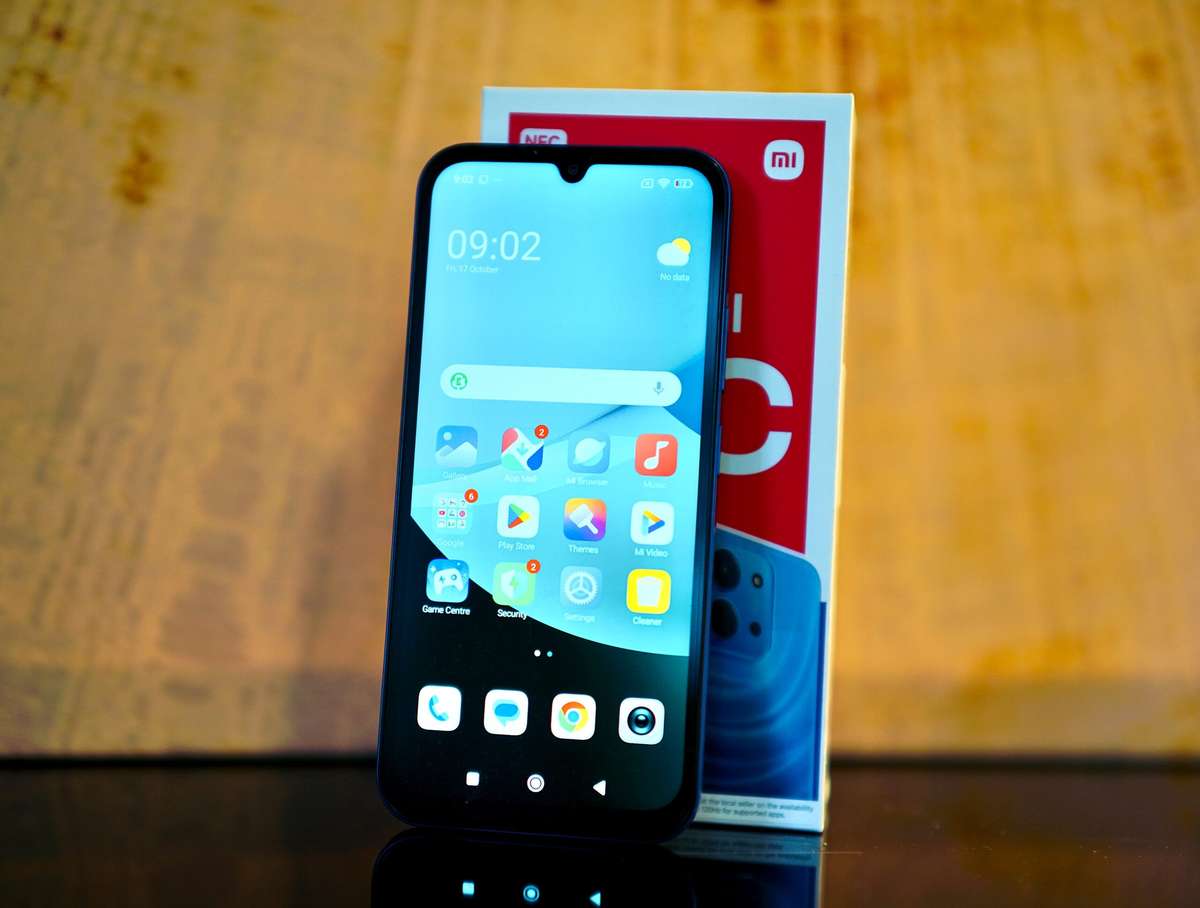
Recent Nigerian market data puts new 128GB units around ₦148,000–₦198,000, with roughly ₦182,000 being typical among the offers examined. But 256GB units can exceed ₦200,000. So we're specifically recommending the 128GB configuration when it stays below our ceiling.
The attraction is its 6,000mAh battery, paired with 33W charging. It also has a huge 6.9-inch display and a 50MP primary camera.
What that means in practice
We see this as the phone for buyers who spend long periods away from a charger.
Students attending lectures all day, drivers using navigation, business owners handling WhatsApp orders and users who stream a lot of video all benefit from prioritising battery capacity.
The compromise
The 6.9-inch screen is large, but its 720 × 1600 resolution means you're getting screen size rather than exceptional pixel density. The Helio G81 Ultra also positions this firmly as an everyday phone rather than a serious gaming handset.
Who should buy it?
Buy it when battery life and a large display matter more than raw performance.
Our buying threshold: Try to keep the 128GB model below ₦190,000.
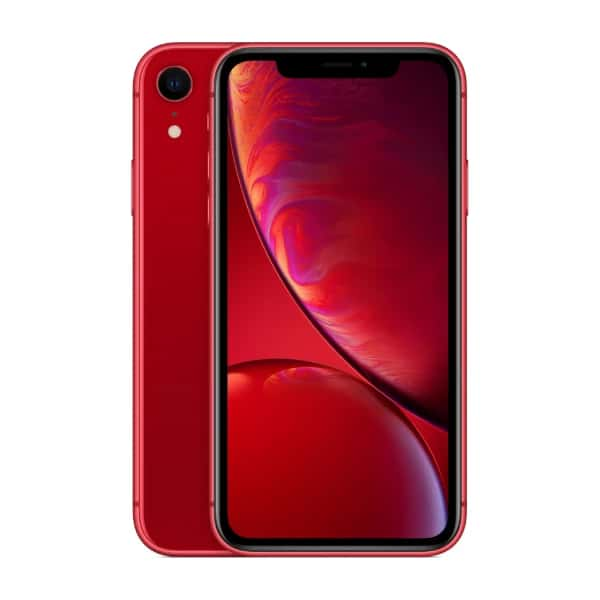
6. UK-Used iPhone XR — Only If You Specifically Want an iPhone
Price target: ₦150,000–₦190,000 for a clean 128GB unit
The iPhone XR requires a completely different buying strategy. It launched in 2018, so you're not comparing a new iPhone with these Android devices. You're considering an eight-year-old used smartphone because you specifically want iOS.
Our September market research found UK-used 128GB XR units ranging roughly from ₦135,000 to ₦220,000, with about ₦180,000 being typical among the listings examined. That keeps a good unit within this guide—but only just.
There's now a major software warning
Our old guide said the XR remained attractive because of current iOS support. That statement is no longer accurate in September 2026.
Apple's current iOS 27 compatibility list starts with the iPhone 11 and iPhone SE 2nd generation. The iPhone XR isn't included.
That's a major consideration. The XR can still run many everyday apps, but you're buying hardware that has reached the end of Apple's current major iOS upgrade path.
What we would inspect before paying
For a used XR, specification tables matter less than the individual phone in your hand.
Check:
Battery health
Face ID
True Tone
Cameras
Speaker and microphones
Charging port
SIM/network lock
iCloud/Activation Lock
IMEI
Display quality
Evidence of replaced parts
We'd prefer 85% battery health or better, but battery health alone doesn't prove that a used iPhone is in good condition.
When does the XR still make sense?
If you specifically need iOS for a particular app, already use other Apple products, or simply prefer the iPhone interface, a clean XR below ₦200,000 can still be considered.
But if you don't specifically need an iPhone, we'd rather buy a newer Android phone with current software support and a fresh battery.
Our buying threshold: We wouldn't pay near or above ₦200,000 for an XR in 2026.
What ₦200,000 Actually Buys in Nigeria Now
Our research revealed a bigger change in this segment. ₦200,000 is no longer the AMOLED/5G-heavy budget category it once was.
Phones such as the Redmi Note 14 4G that previously made the list now sit around ₦325,000–₦348,000 in the current references we checked.
The Galaxy A16 5G has similarly moved to around ₦331,000 for an 8/128GB reference configuration. That changes what buyers should prioritise.
At ₦200,000 in late 2026, we'd focus on:
128GB storage minimum where possible, a large battery, reliable software, acceptable camera quality, expandable storage where useful and a recent enough model to remain useful for several years
We wouldn't sacrifice those fundamentals just to get one impressive specification.
Which One Would We Buy?
For long-term ownership, we'd look first at the Samsung Galaxy A07, particularly because of Samsung's unusually long security-support window. For value without spending the full ₦200,000, the Tecno Spark 40 is particularly interesting around ₦160,000–₦180,000.
For battery-focused buyers, the Redmi 15C 4G stands out with its 6,000mAh capacity.
The Infinix Hot 60i is another sensible all-round alternative when found below ₦190,000. And if your budget is really closer to ₦150,000, we'd investigate the Redmi 14C before unnecessarily stretching to ₦200,000.
The iPhone XR is the exception. We'd only choose it when owning an iPhone specifically matters to you, because Apple has now dropped it from iOS 27 compatibility.
Buying Tips Before You Pay
The biggest lesson from our research is that model name alone isn't enough to compare Nigerian phone prices. A seller advertising a Redmi 15C for ₦175,000 and another advertising one for ₦235,000 may be selling different storage configurations.
Always confirm RAM, storage, 4G/5G variant, warranty and whether the device is genuinely new.
For new Android phones, ask for a receipt and verify warranty coverage.
For used devices, don't pay before checking the IMEI, cameras, display, biometrics, speakers, charging, battery condition and network status.
And don't treat an unusually cheap listing as a bargain until you've verified the phone.
Frequently Asked Questions
What is the best phone under ₦200,000 in Nigeria in 2026?
There isn't one phone that's strongest at everything. From the models we researched, the Galaxy A07 makes the strongest case for long-term ownership, while the Tecno Spark 40 offers particularly strong value when available well below ₦200,000.
Which phone under ₦200,000 has the biggest battery?
Among our current picks, the Redmi 15C 4G has a 6,000mAh battery, making it our battery-focused choice.
Can I still buy a Redmi Note 14 for under ₦200,000?
We wouldn't build a September 2026 buying recommendation around that price. Current Nigerian references we checked put the Redmi Note 14 4G considerably higher, around ₦325,000–₦348,000.
Is the iPhone XR still worth buying in 2026?
Only for a specific type of buyer. A clean XR remains usable, but it doesn't support iOS 27, so we no longer consider it the automatic budget-iPhone recommendation it once was.
Final Verdict
The biggest discovery from updating this guide wasn't which phone came first. It was how dramatically the ₦200,000 category has changed.
Several phones previously recommended at this price have moved far beyond it. Instead of quietly leaving those outdated prices in place, we rebuilt our shortlist around devices we could still find at or below the budget in September 2026.
For buyers who want longevity, the Galaxy A07 is one of the first phones we'd investigate.
For maximum value, we'd compare the Tecno Spark 40 and Infinix Hot 60i.
For battery endurance, we'd look at the Redmi 15C 4G.
For buyers trying to spend closer to ₦150,000, the Redmi 14C remains worth checking while suitable stock lasts.
And while the UK-used iPhone XR can still fit the budget, its absence from Apple's iOS 27 compatibility list means we'd buy it only with a clear reason for wanting iOS.
Most importantly, ₦200,000 should be treated as a hard ceiling in a guide like this—not a suggestion. If a recommended configuration has moved above that figure when you're ready to buy, skip it and move to the next option.
Read more: Best Budget Phones to Buy Under ₦100,000 in Nigeria in 2026
Read more: Best Phones to Buy Under ₦300,000 in Nigeria in 2026: 5 Android Phones Worth Your Money

Author
Adebayo JohnsonSenior tech editor with over 4 years of experience covering mobile and gadget technology. Explore author & articles





