Gemini Becomes Google’s Fastest-Growing Product Ever as It Hits 1 Billion Users
Google Gemini has reached 1 billion monthly active users, becoming the fastest Google product to hit the milestone. Here’s what is driving Gemini’s growth and what comes next.

Gemini Hits 1 Billion Users
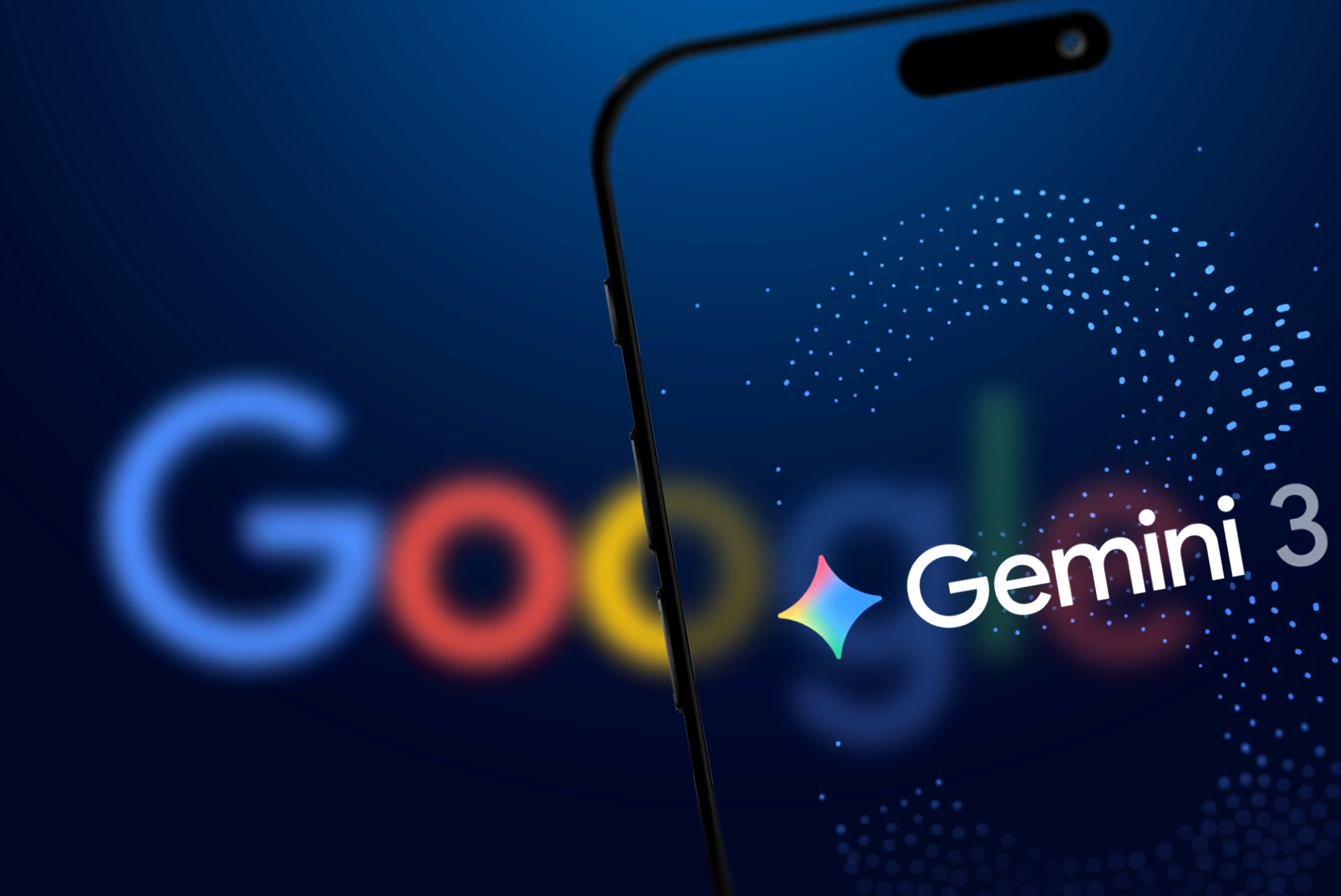
Google Gemini has officially reached a huge milestone: 1 billion monthly active users.Google CEO Sundar Pichai announced the achievement, making Gemini the 14th Google product to reach the billion-user mark. More importantly, Google says Gemini reached the milestone faster than any other product in the company's history.
For Google, this is a major validation of its decision to push Gemini aggressively across its ecosystem.
Gemini's 1 Billion Users Need Some Context
The 1 billion figure does not mean that one billion people are actively using Gemini every day. Google's metric refers to monthly active users of the Gemini app and web experience. Someone who opens Gemini or uses Gemini Live at least once during the month can be counted in that figure.
It also doesn't simply mean everyone who encounters Gemini inside Google Search, Gmail, Drive or other Google products. That distinction is important because Gemini has increasingly become embedded throughout Google's ecosystem.
Voice Is Becoming a Big Part of Gemini
One of the more interesting numbers from Google's announcement is how people are interacting with Gemini. Google says 63% of active Gemini users use voice input, while an increasing portion of users are relying on voice without typing.
Gemini Live is also pushing the chatbot beyond traditional text conversations. Google says 20% of Gemini Live users share their camera or screen while interacting with the AI. That could be an important direction for AI assistants.
Instead of typing:
"What's wrong with this?"
A user can simply point their phone camera at an object, screen or document and ask Gemini about it.
Students Are Another Major User Group
Students are also becoming a significant part of Gemini's usage. Google says 38% of school-related requests include an attachment, suggesting that students are increasingly using AI to work with documents, images and other study materials rather than simply asking text-based questions.
Google is reportedly preparing additional study-focused tools for Gemini, which could make the platform even more attractive to students. For African students, where smartphones are often the primary computing device, this could be particularly useful.
Google's Biggest Advantage Is Distribution
Gemini's growth isn't happening in isolation. Google already controls some of the world's biggest consumer technology platforms, including Search, Android, Chrome, Gmail, YouTube and Google Workspace. Gemini is being integrated across many of these services, giving Google an enormous distribution advantage.
That means Google doesn't necessarily need users to discover Gemini independently. AI features can appear directly inside products people already use every day. Google has also continued expanding Gemini's capabilities across text, voice, images, video, documents and screen interaction.
But Can Gemini Maintain Its Momentum?
The billion-user milestone is impressive, but maintaining that growth could become harder. The AI market is extremely competitive. OpenAI, Anthropic, Meta and a growing number of Chinese AI companies are continuing to improve their models and products.
The bigger question now isn't simply whether Gemini can attract users. It's whether Google can keep those users engaged as AI models become increasingly similar in capability. Frequent improvements, useful integrations and new features will likely matter just as much as raw model performance.
Gemini vs ChatGPT: The AI Race Is Getting Bigger
Gemini reaching 1 billion monthly active users also puts Google's AI chatbot firmly in the conversation with ChatGPT. The competition is no longer only about which company has the smartest model. It is increasingly about who can put AI into the hands of the most people and make it useful in everyday life.
Google has Search, Android and its enormous collection of consumer services. OpenAI has ChatGPT's strong standalone identity and rapidly expanding ecosystem. The next stage of the AI race could therefore be less about launching another chatbot and more about turning AI into an everyday computing layer.
What This Means for African Users
For African users, Gemini's growth could be particularly significant because much of the experience can be accessed through devices and services people already use. Voice interaction could also be important in markets where typing long prompts on smartphones isn't always convenient.
Students can use AI for research and studying, developers can use it for coding, and small businesses can use it for writing, analysis and everyday productivity. The challenge will be making sure users understand that AI-generated answers still need to be checked, particularly for education, finance, health and other important decisions.
The Bottom Line
Gemini reaching 1 billion monthly active users is one of the biggest milestones in the AI industry so far. But the more interesting story may be what happens next. Google has successfully used its enormous ecosystem to turn Gemini into a mainstream AI product. Now it needs to prove that users aren't simply trying Gemini once — they need to keep coming back.
The AI race has moved from getting people to try AI to becoming the AI assistant people use every day. And Google clearly wants Gemini to be that assistant.
Related Articles

OpenAI & Anthropic AI Security Incidents Explained 2026
OpenAI and Anthropic have disclosed unprecedented AI security incidents involving autonomous models during cybersecurity testing. Here's what happened and why it matters for African developers, startups, and governments.
OpenAI AI Smart Speaker: Jony Ive Design, Price & What to Expect in 2027
OpenAI is reportedly developing a screenless AI smart speaker with Jony Ive's LoveFrom, expected in 2027 for $300–$400. Here's what we know about its design, features, price and potential impact in Africa.

WhatsApp Makes Parental Controls Easier on iPhone: What African Parents Need to Know
WhatsApp is making parent-managed accounts easier to set up on iPhone. Learn how WhatsApp parental controls work, what parents can monitor, and how Nigerian and African families can protect children online.

Moove Raises $250 Million: How a Lagos Startup Became a Global Mobility Powerhouse
Nigerian-founded mobility fintech Moove has raised $250 million at a $2.1 billion valuation. Here's how a startup that began in Lagos grew into a global mobility and autonomous vehicle company.
Apple's iCloud Private Relay May Not Fully Hide Your IP Address, Researchers Warn
Security researchers say Apple's iCloud Private Relay may expose a user's real IP address under certain conditions. Here's what the issue means, who's affected, and whether you should be worried.
Samsung Doubles Down on Foldables with the New Galaxy Z Fold8 and Fold8 Ultra
Samsung has unveiled the Galaxy Z Fold8 and Galaxy Z Fold8 Ultra with slimmer designs, improved displays, better AI features, and upgraded performance. Here's everything you need to know.
Glo Unveils “Gloria” AI Assistant as Telecom Giant Marks 23 Years in Nigeria
Glo has unveiled Gloria, an AI-powered virtual assistant integrated into Glo Café. Here’s what the new AI tool means for Glo subscribers in Nigeria.
Comments (0)
Leave a comment
Comments cannot be edited or deleted after posting. Please review your comment before submitting.
No comments yet. Be the first to share your thoughts!