
Moove Raises $250 Million: How a Lagos Startup Became a Global Mobility Powerhouse
Nigerian-founded mobility fintech Moove has raised $250 million at a $2.1 billion valuation. Here's how a startup that began in Lagos grew into a global mobility and autonomous vehicle company.
Adebayo Johnson
From 75 Cars in Lagos to a $2.1 Billion Global Startup
A Nigerian startup that started with a relatively simple problem for ride-hailing drivers has now reached a valuation that would have sounded almost impossible five years ago.
Moove has raised $250 million at a $2.1 billion valuation, according to recent reports, marking another major milestone for the Lagos-founded company.
But the funding is interesting for more than just the size of the cheque.
Moove's story is a reminder that some of Africa's biggest technology companies aren't necessarily built around flashy consumer apps.
Sometimes, they start by solving a very specific problem.
In Moove's case, that problem was simple:
How can a ride-hailing driver get access to a car when traditional banks won't finance them?

How Moove Started
Moove was founded by Nigerian entrepreneurs Ladi Delano and Jide Odunsi.
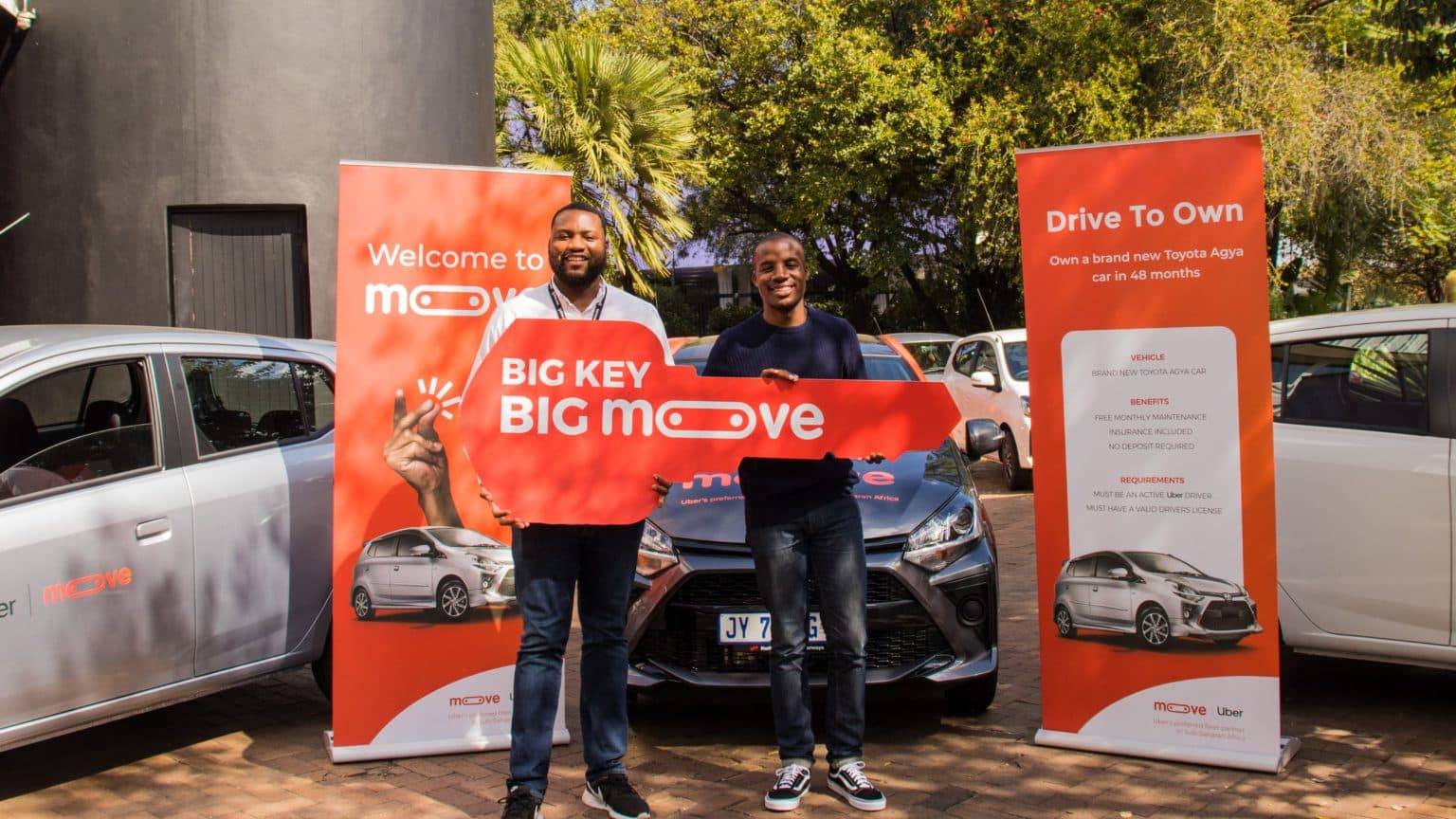
The company began in Lagos by providing vehicle financing to ride-hailing drivers who often struggled to obtain traditional bank loans.
Instead of requiring drivers to purchase a vehicle upfront, Moove developed a revenue-based financing model that allowed drivers to work toward vehicle ownership through their earnings.
The company initially started with roughly 75 vehicles.
That small fleet has since grown dramatically.
Moove's own materials describe the company as a mobility fintech focused on vehicle financing and financial inclusion, with operations spanning multiple global markets.
Moove Is No Longer Just a Car-Financing Company
This is probably the most interesting part of the story.
If you only knew Moove from its early days, you might think:
It's a company that finances cars for Uber and Bolt drivers.
That's no longer the whole picture.
Moove has increasingly positioned itself as a global mobility infrastructure company.
Its business has expanded toward fleet operations, electric vehicles and autonomous mobility.
And that's where Waymo enters the story.
A Nigerian Startup Is Now Working With Waymo
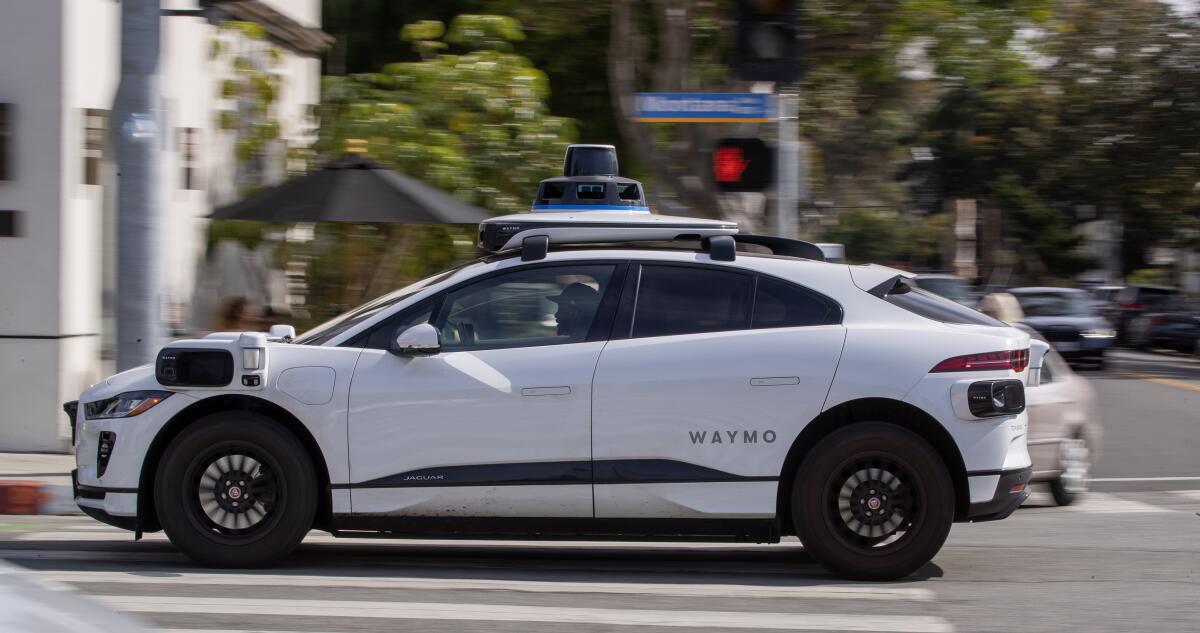
Moove has expanded into autonomous vehicle operations in the United States, working with Waymo as the autonomous-driving industry rapidly scales.
Waymo itself raised $16 billion in February 2026 at a $126 billion valuation, with the funding intended to accelerate its global robotaxi expansion.
Moove is becoming part of the infrastructure supporting that expansion.
That is a major shift from its original business.
The company that began helping drivers in Lagos finance vehicles is now involved in the ecosystem around driverless transportation.
Why This Is Important for Africa
Moove's story is particularly significant because it demonstrates something often overlooked in conversations about African technology.
African startups don't have to remain Africa-only companies.
A company can:
Identify an African problem → build a working business model → prove it locally → expand internationally.
Moove's early insight came from a very African problem: traditional financial institutions were often unwilling or unable to provide suitable vehicle financing to ride-hailing drivers.
Rather than treating that as an impossible market, Moove built around it.
he Bigger Opportunity: Financial Inclusion
Vehicle ownership isn't just about transportation.
For many ride-hailing drivers, a vehicle is effectively a productive asset.
It allows someone to generate income.
But buying one requires substantial capital.
Moove's model connects:
Vehicle financing + mobility + income generation
That makes the business closer to fintech than a traditional car dealership.
Moove itself describes financial inclusion as one of its core impact goals and says its financing gives customers access to vehicle ownership and financial services that were previously inaccessible to them.
And Then Came Electric Vehicles
Another major part of Moove's long-term strategy is electrification.
The company has said it wants to build a large hybrid and EV fleet, with clean energy forming an important part of its impact goals.
This could become increasingly important as cities around the world attempt to reduce emissions from transportation.
For African markets, however, the transition to EVs comes with a completely different set of challenges.
Charging infrastructure, electricity reliability, vehicle costs and financing all matter.
That makes Moove's experience operating fleets potentially valuable beyond simply putting electric vehicles on the road.
Why Investors Are Interested
The investment case around Moove is no longer simply:
There are millions of ride-hailing drivers who need cars.
The bigger opportunity is the infrastructure behind the future of transportation.
That includes:
Vehicle financing
Fleet management
Electric vehicles
Autonomous vehicles
Robotaxi infrastructure
Mobility-as-a-service
Financial services for drivers
If autonomous transportation continues expanding, companies that operate and maintain the physical fleets could become increasingly important.
What Could Come Next?
The next phase could be even more ambitious.
Moove's CEO has discussed a long-term vision involving ownership and operation of large autonomous vehicle fleets, while the company has also been developing automated facilities described as "nests" for charging, maintenance and servicing autonomous vehicles.
If that strategy works, Moove could eventually become an important piece of the infrastructure behind robotaxi networks.
That would make its original Lagos vehicle-financing business look like the beginning rather than the destination.
Frequently Asked Questions
Who founded Moove?
Moove was founded by Nigerian entrepreneurs Ladi Delano and Jide Odunsi. Suzuki's corporate materials identify both as the company's representatives and describe Moove as a Nigerian-founded mobility fintech.
Where did Moove start?
Moove started in Lagos, Nigeria, initially focusing on vehicle financing for mobility workers.
How much did Moove raise?
The latest reported funding round is $250 million, with the company valued at approximately $2.1 billion.
Does Moove work with Waymo?
Yes. Moove has expanded into autonomous vehicle fleet operations associated with Waymo in the United States.
Is Moove an African company?
Moove was founded in Nigeria and built its early business around African mobility challenges, but it has since expanded internationally.
What does Moove actually do?
Moove combines mobility and financial services, including vehicle financing and fleet operations, with an increasingly significant focus on electric and autonomous mobility.
Final Thoughts
There's something particularly satisfying about the Moove story.
It didn't start in Silicon Valley.
It started with a relatively ordinary problem in Lagos: drivers needed cars, but traditional financing wasn't working for them.
Five years later, that idea has grown into a global mobility company operating across international markets and participating in the rapidly developing autonomous-vehicle industry.
The reported $250 million raise at a $2.1 billion valuation is therefore more than another big startup funding headline.
It's another example of an African-founded company taking a problem that was visible on African streets and turning it into a business with global ambitions.
From roughly 75 cars in Lagos to a potential role in the future of autonomous transportation that's a startup story worth watching.
Advertisement
Responsive
Related Articles

Samsung Galaxy S27 Ultra Camera: First Look, Leaks & What We Know
Samsung Galaxy S27 Ultra camera leaks are already creating excitement. Here's what the latest reports suggest about its camera design, sensors, zoom and possible upgrades.

WhatsApp Makes Parental Controls Easier on iPhone: What African Parents Need to Know
WhatsApp is making parent-managed accounts easier to set up on iPhone. Learn how WhatsApp parental controls work, what parents can monitor, and how Nigerian and African families can protect children online.

X Money Is Here: Elon Musk's X Begins Rolling Out Its New Financial App in the U.S.
X has begun rolling out X Money to U.S. Premium subscribers, bringing peer-to-peer payments, a Visa debit card, cashback and savings yields to the social platform. Here's what it means.
Advertisement
728x90
Comments (0)
Leave a comment
Comments cannot be edited or deleted after posting. Please review your comment before submitting.
No comments yet. Be the first to share your thoughts!