

Redmi Note 17 Pro Max Review: Price, Specs and Key Features
Redmi Note 17 Pro Max review covering its 10,000mAh battery, 100W charging, AMOLED display, cameras, performance, price and buying advice.

The Redmi Note 17 Pro Max 5G has a specification that immediately separates it from most smartphones: a 10,000mAh battery. Xiaomi announced the phone globally on August 27, 2026, positioning it above the Redmi Note 17 Pro. International pricing starts at $499, although prices and battery capacities vary by region.
For Nigerian buyers, the timing is particularly interesting because Xiaomi Nigeria now has an official Note 17 Series launch page highlighting the Pro Max's 10,000mAh battery and 100W charging. But battery life isn't the whole story.
Redmi Note 17 Pro Max Specs and Price
Specification | Redmi Note 17 Pro Max 5G |
|---|---|
Global Announcement | August 27, 2026 |
International Price | From $499 |
Nigeria Price | Around ₦812,500 |
Display | 6.83-inch 1.5K AMOLED |
Resolution | 2772 × 1280 |
Refresh Rate | 120Hz |
Peak Brightness | Up to 3,500 nits |
Processor | Snapdragon 6 Gen 5 |
RAM | 8GB / 12GB |
Storage | 256GB; regional configurations vary |
Main Camera | 50MP, OIS, f/1.5 |
Ultra-Wide | 8MP |
Selfie Camera | 32MP |
Video | Up to 4K/30fps front and rear |
Battery | 10,000mAh Nigeria/selected markets |
Charging | 100W HyperCharge |
Reverse Charging | Up to 27W wired |
Network | 5G |
Protection | IP66/IP68/IP69/IP69K |
Software | Android 16 / HyperOS 3 |
That 10,000mAh Battery Is the Reason to Buy It
Let's start with the obvious feature. The Nigerian launch page has a 10,000mAh battery with 100W HyperCharge, while Xiaomi's global page confirms the same capacity for applicable markets.
Europe and some other regions receive a smaller 9,210mAh version, so don't assume every imported Note 17 Pro Max has identical battery capacity. Independent testing has found the battery capable of comfortably exceeding two days under heavy use, while Xiaomi markets up to three days under its own usage scenario.
For Nigerian users, that has obvious practical value: long commutes, university days, field work, travel and periods with limited access to electricity become much easier to manage. The phone can also provide up to 27W wired reverse charging, effectively allowing its enormous battery to serve as an emergency power source for another compatible device.
100W Charging Makes the Huge Battery Practical
A 10,000mAh phone wouldn't be nearly as attractive if it took several hours to recharge. Fortunately, Xiaomi includes 100W HyperCharge support.
That combination is important. Instead of choosing between an enormous battery and fast charging, you're getting both.
Charger availability varies by region, however. Xiaomi says that some packages don't include the power adapter, while the Indian package has a 100W adapter in the box. Check the Nigerian retail package rather than assuming one is included.
Excellent 1.5K AMOLED Display
The display is another major strength. You get a 6.83-inch flat AMOLED panel with 2772 × 1280 resolution, up to 120Hz refresh rate and claimed 3,500-nit peak brightness. It also supports Dolby Vision, HDR10+ and 12-bit colour.
That makes the phone well suited to Netflix, YouTube, gaming and general content consumption.

The large screen combined with the enormous battery is particularly appealing for people who spend hours streaming video away from a charger. There's also an optical in-display fingerprint reader and dual speakers with Dolby Atmos.
Snapdragon 6 Gen 5: Don't Let “Pro Max” Fool You
The processor is where expectations need adjusting. Xiaomi uses the Snapdragon 6 Gen 5, a 4nm octa-core processor reaching up to 2.6GHz, paired with LPDDR5X RAM and UFS 4.1 storage. That's capable hardware for WhatsApp, browsing, social media, streaming, multitasking and moderate gaming.
But this is not a flagship Snapdragon processor. The “Pro Max” branding may suggest something competing directly with premium Galaxy or iPhone hardware, but buyers primarily interested in maximum gaming performance should compare phones using higher-end Snapdragon 8-series processors.
For normal everyday use, however, performance should be more than adequate.
50MP Camera Is Actually a Strange Downgrade
The camera story is perhaps the phone's biggest weakness. There's a 50MP f/1.5 main camera with OIS, accompanied by an 8MP ultra-wide and 32MP selfie camera. Both the front and rear cameras can record 4K video at 30fps.
The surprising part is what came before it. The Redmi Note 15 Pro+ featured a 200MP main camera, whereas Xiaomi has moved the new Pro Max to 50MP. More megapixels don't automatically produce better photographs, but the previous 200MP sensor also provided substantial resolution for cropping and digital zoom.
Testing found the Note 17 Pro Max's camera usable but less convincing than its battery and durability, with HDR and processing among the concerns.
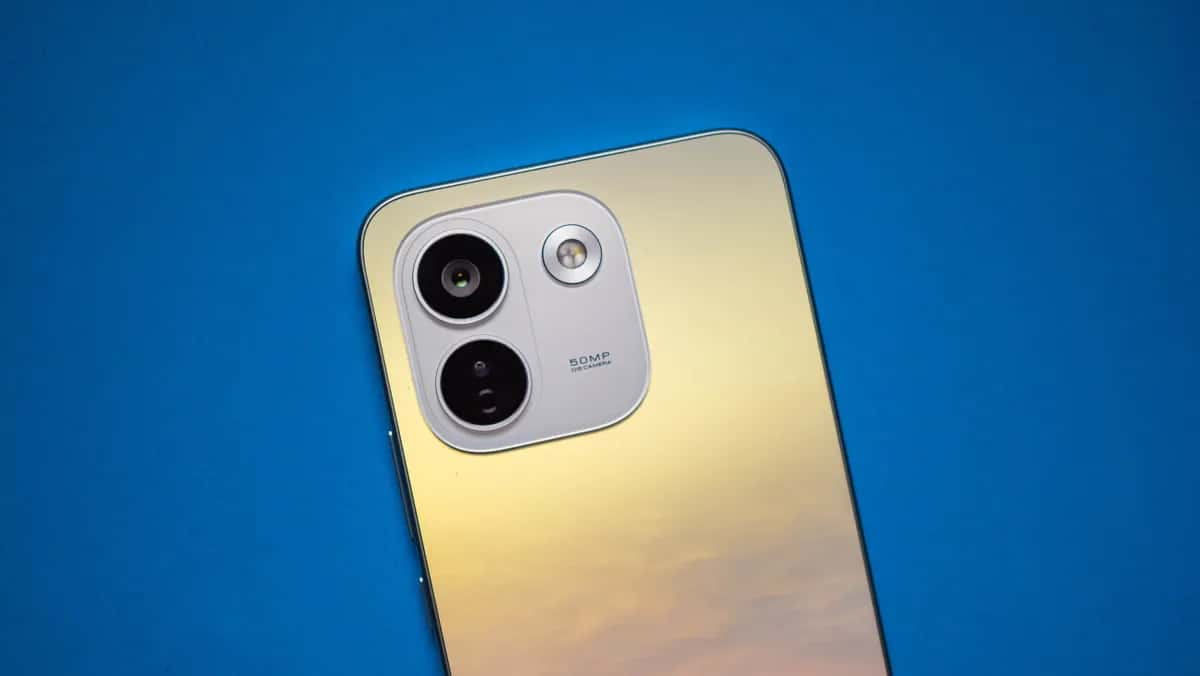
There's also no dedicated telephoto camera. Photo enthusiasts should therefore avoid buying this phone solely because it says “Pro Max.”
Durability Is Almost as Impressive as the Battery
Xiaomi has clearly designed this generation around endurance in more ways than one. The Nigerian model is promoted with IP66, IP68, IP69 and IP69K dust and water resistance and 3-metre certified drop resistance under specified test conditions.
The front is protected by Gorilla Glass Victus 2 in markets where that specification applies. Those certifications don't make the phone indestructible. Drop and water-resistance tests occur under controlled conditions, and resistance can deteriorate with normal wear. Still, this is unusually serious durability for a Redmi Note device.
The Cameras Are Its Biggest Weakness
Interestingly, Xiaomi has gone backwards in one area. The Redmi Note 17 Pro Max has a 50MP main camera with optical image stabilisation, an 8MP ultrawide camera and a 32MP selfie camera. It can record video at up to 4K/30fps.
On paper, this sounds perfectly respectable. But compared with the previous generation's much higher-resolution camera hardware, the Pro Max isn't positioned as a camera-first phone. Independent testing found the main camera capable of producing good images, particularly in favourable lighting, but also noted limitations with HDR processing and the relatively basic 8MP ultrawide. There is no dedicated telephoto camera.
For casual photos, this should be enough. For someone buying a phone specifically for professional photography, however, there are better choices.
Redmi Note 17 Pro Max Price in Nigeria
International pricing starts at $499, although configurations and regional prices differ. Nigeria is more complicated. A current Nigerian listing puts the phone around ₦812,500, with a higher configuration around ₦875,000. Given that these are imported prices from retail stores, not official distributed unit prices from Xiaomi, expect prices to varies among retail stores.
Buying Guide: Who Should Buy It?
The Redmi Note 17 Pro Max is best for battery-first buyers. Students who spend an entire day on campus, travellers, delivery workers, field professionals, heavy social-media users and people who frequently struggle to find charging points are the obvious audience. It's also attractive if durability is high on your priority list.
For gaming, it's capable but not the strongest choice at this price because Snapdragon 6 Gen 5 remains mid-range silicon.
For photography, consider alternatives with stronger telephoto or higher-end main-camera hardware. And if you're upgrading from the Redmi Note 15 Pro+, don't assume the newer Pro Max improves everything. The battery and durability are major upgrades, but the camera specification isn't an obvious step forward.
Which Storage Version Should You Buy?
We'd prioritize 8GB RAM with 256GB storage as the sensible starting configuration.
Heavy users who store large amounts of video, games or offline media should consider higher storage where officially available. Pay particular attention to regional variants. Xiaomi's specifications and battery capacities aren't identical worldwide, so verify the exact model before purchasing an imported unit.
Final Verdict
The Redmi Note 17 Pro Max is less of a flagship killer and more of a battery-life specialist. Its extraordinary 10,000mAh battery, 100W charging, 27W reverse charging, bright 1.5K 120Hz AMOLED screen and extensive water and drop resistance create a combination few mainstream phones currently match. But the Pro Max name oversells its performance and camera credentials. Snapdragon 6 Gen 5 is a mid-range processor, there's no telephoto camera, and the 50MP main camera doesn't provide the obvious specification advantage some previous Redmi Pro models offered.
For Nigerian buyers who prioritize battery life, durability, streaming and everyday reliability, that's unlikely to matter much.
If Xiaomi's official Nigerian retail price settles reasonably close to the current ₦812,500 indicative figure, the Redmi Note 17 Pro Max will be an unusual proposition: not the fastest or best camera phone for the money, but potentially one of the hardest phones to kill before the day ends.
Read more: Redmi Note 15 Review: Great Battery and AMOLED Display, But Should You Buy the 4G Model?
Read more: Redmi Note 15 Pro vs Redmi Note 17 Pro: Price & Specs in Nigeria 2026
Read more: Redmi Note 15 Pro 5G Review: A Mid-Range Phone Built for Battery, Camera and Durability

Author
Adebayo JohnsonSenior tech editor with over 4 years of experience covering mobile and gadget technology. Explore author & articles





