Sony Transfers 419 VR Patents to Meta: What It Means for PSVR2
Sony has transferred rights to 419 VR and XR patents to Meta. Here's what the deal means for PlayStation VR2, Meta Quest and the future of virtual reality.
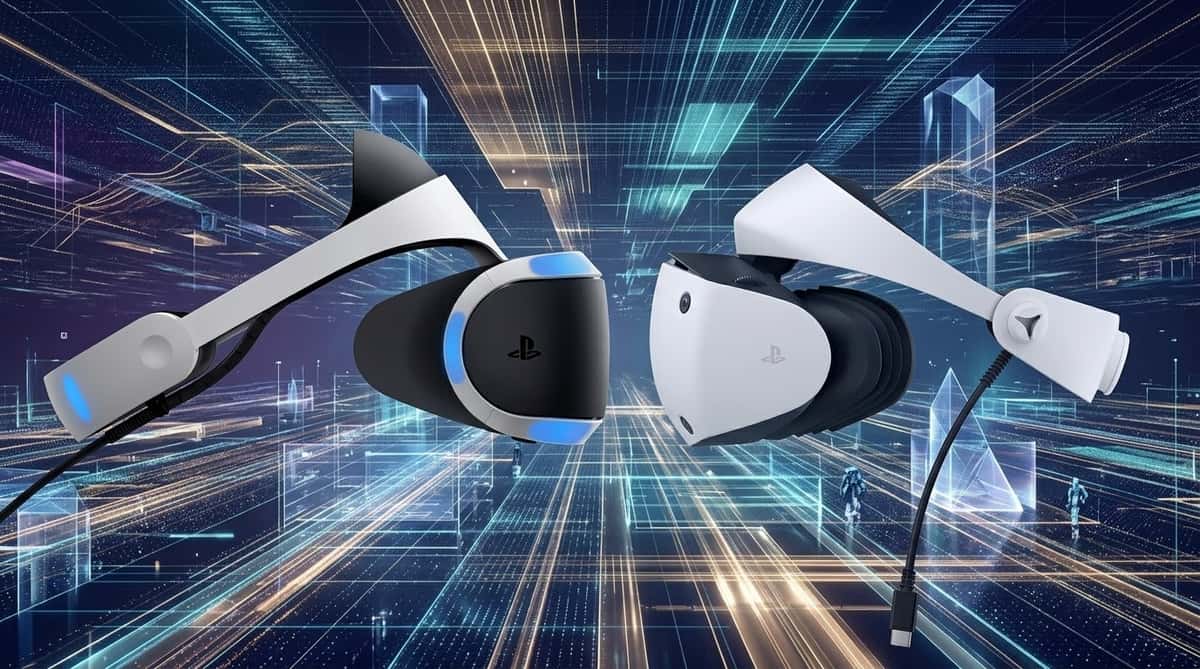
Sony has reportedly agreed to transfer rights to 419 virtual reality (VR) and extended reality (XR) patents to Meta, raising questions about the Japanese technology giant's long-term ambitions in immersive gaming.
The transaction, first reported by South Korea's ZDNet Korea, involves technologies associated with head-mounted displays, mixed-reality applications and other immersive hardware. According to an examination of US patent records, 43 patent properties were recorded as transferred between June and September 2026. The broader agreement covers 419 patent assets across multiple jurisdictions.
The development comes more than three years after Sony launched PlayStation VR2 for the PlayStation 5 in February 2023. However, the transaction does not establish that Sony has discontinued PSVR2 or abandoned virtual reality altogether.
What exactly did Sony transfer to Meta?
The agreement covers intellectual property developed across several years of Sony's research into immersive technologies. Reportedly, the portfolio includes 180 US patent assets and 239 related filings across Japan, China, South Korea, Europe and other jurisdictions. The technologies cover areas such as headset displays, spatial imaging, facial capture and systems for understanding a user's physical surroundings.
Some patents address how cameras can capture a person's face while they are wearing a headset. Others concern depth sensing and recording the surrounding environment. These technologies could be relevant to future virtual and mixed-reality devices.
Importantly, 419 patent assets do not necessarily represent 419 separate inventions, because related technologies may be patented in several countries. A closer examination of the recorded agreement also identifies Sony Group Corporation—not Sony Interactive Entertainment, the PlayStation subsidiary—as the transferring company. Neither company has publicly disclosed the financial terms of the transaction.
Why this raises questions about PlayStation VR2
Sony entered the current generation of virtual reality gaming with ambitious hardware. The PlayStation VR2 introduced OLED displays, eye tracking, advanced controllers and headset feedback designed to deliver more immersive gaming experiences. However, the headset has faced challenges, including its price, dependence on additional gaming hardware and questions about the pace of exclusive software development.
Reports of limited stock availability and reduced promotional activity have also fuelled speculation about Sony's future investment in the product. Selling XR-related intellectual property could indicate that Sony is reassessing where it wants to invest. But patent ownership and product strategy are not identical. A company can sell certain patents while continuing to develop products, manufacture components or license other technologies.
There has been no confirmed announcement that Sony is cancelling a PlayStation VR3 or ending support for existing PSVR2 owners.
Why would Meta buy Sony's VR patents?
Meta has invested heavily in immersive computing through its Reality Labs division, which develops Quest headsets and other wearable technologies. Although Meta has restructured parts of its VR operations and reduced staffing, it continues exploring hardware that blends digital content with the physical world.
Sony's intellectual property could strengthen Meta's ability to research future devices, protect product designs or develop technologies related to facial tracking and spatial awareness.
For example, lighter headsets and more convincing mixed-reality experiences depend on accurately understanding both the wearer's movements and their surroundings. The transferred portfolio includes patents addressing some of those technical challenges. Nevertheless, there is no confirmation that Meta intends to incorporate any particular Sony patent into an upcoming Quest headset or smart-glasses product.
What does the deal mean for VR consumers?
For existing PSVR2 owners, the patent transfer does not automatically change how their headsets function. It does not mean purchased games will stop working or that Meta now owns PlayStation's VR gaming business.
The more significant implications may emerge over time. If Sony reduces its investment in future consumer VR hardware, gamers could have fewer dedicated PlayStation headset options. Conversely, Meta's expanded patent portfolio could support its longer-term hardware development. Both outcomes remain possibilities rather than confirmed plans.
Is Sony leaving virtual reality?
The patent transaction is a meaningful development in an industry still searching for widespread consumer adoption. It suggests that major technology companies are reassessing which parts of immersive computing they want to own and develop.
For Sony, that could mean concentrating on selected technologies rather than expanding its consumer headset lineup.
For Meta, acquiring established intellectual property may help support its continued ambitions in XR hardware.
But the evidence currently supports a narrower conclusion: Sony has transferred a substantial XR patent portfolio to Meta, while its future PlayStation VR strategy remains unconfirmed. Until either company explains the transaction or announces its next hardware plans, declaring the death of PlayStation VR would be premature.
Read more: OpenAI Is Cutting Off Cursor After SpaceX Acquisition, What African Developers Should Learn
Read more: 10 Emerging Technologies That Could Transform Africa in 2026
Read more: What Is the Ultimate End Game of the Robotics Industry?

Author
Kwame MensahTech journalist covering AI, software, and emerging technologies impacting Africa's digital landscape and beyond.. Explore author & articles