Uber Moves to Take Over Glovo in Africa: What the $14.8 Billion Delivery Hero Deal Means for Nigeria
Uber is set to acquire Delivery Hero, bringing Glovo's operations in Nigeria and several African markets under Uber. Here's what the deal means for food delivery, riders, restaurants and consumers.
Uber Moves to Take Over Glovo in Africa: What the $14.8 Billion Deal Means for Nigeria
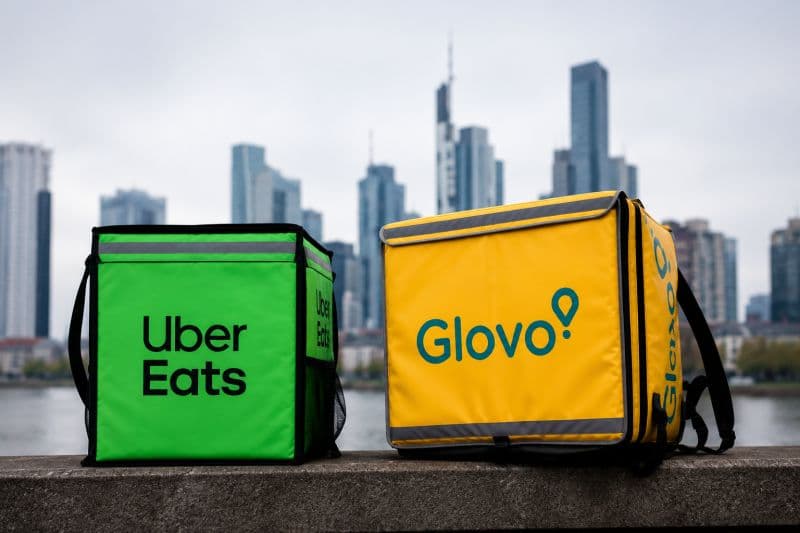
Uber is making a major move in the global delivery business, and Africa is right in the middle of it.
Uber has announced a proposed $14.8 billion acquisition of Delivery Hero, the German company behind several major food-delivery brands around the world, including Glovo.
But there's an important detail: Uber isn't simply buying Glovo as a standalone company.
Glovo is owned by Delivery Hero, meaning Uber's proposed acquisition of Delivery Hero would give it control of Glovo's operations in several markets, including Nigeria, Kenya, Uganda, Morocco, Tunisia and Côte d'Ivoire.
And that could significantly change the food-delivery market in Africa.
What Exactly Is Uber Buying?
Uber has offered €41.50 per Delivery Hero share, valuing the company at approximately $14.8 billion.
Uber already owns a significant stake in Delivery Hero and has agreements that could take its economic interest to around 53% if the transaction proceeds.
The proposed transaction would expand Uber's combined global presence to 99 markets, with combined 2025 gross bookings of approximately $236 billion.
But because Uber and Delivery Hero already overlap in some countries, not everything will go to Uber.
Delivery Hero has separately agreed to sell operations in 14 markets to SSW Partners for approximately $1.6 billion as part of the restructuring around the transaction.
What Happens to Glovo Nigeria?
This is the part Nigerians will probably care about most.
According to Uber's announcement, the Glovo markets included in the businesses Uber intends to acquire include:
🇳🇬 Nigeria
🇰🇪 Kenya
🇺🇬 Uganda
🇲🇦 Morocco
🇹🇳 Tunisia
🇨🇮 Côte d'Ivoire
🇦🇲 Armenia
🇧🇦 Bosnia and Herzegovina
🇧🇬 Bulgaria
🇭🇷 Croatia
🇬🇪 Georgia
🇰🇿 Kazakhstan
🇲🇪 Montenegro
🇷🇸 Serbia
🇺🇦 Ukraine
This is different from some other Glovo markets that are being separated from the transaction and sold to SSW Partners.
So, yes — Nigeria is directly involved in the proposed Uber-Delivery Hero transaction.
Why Does Uber Want Glovo?
Uber already has a major presence in Africa through ride-hailing and Uber Eats.
Buying Delivery Hero would give Uber access to established delivery businesses and customers that it doesn't necessarily have to build from scratch.
For Africa specifically, Glovo gives Uber access to an established food, grocery and on-demand delivery network.
This could potentially allow Uber to combine different services around the same customer.
Imagine opening one app and being able to:
Book a ride
Order food
Order groceries
Request deliveries
That fits closely with the broader direction Uber has been taking as it expands beyond traditional ride-hailing.
Could Uber Eats Replace Glovo?
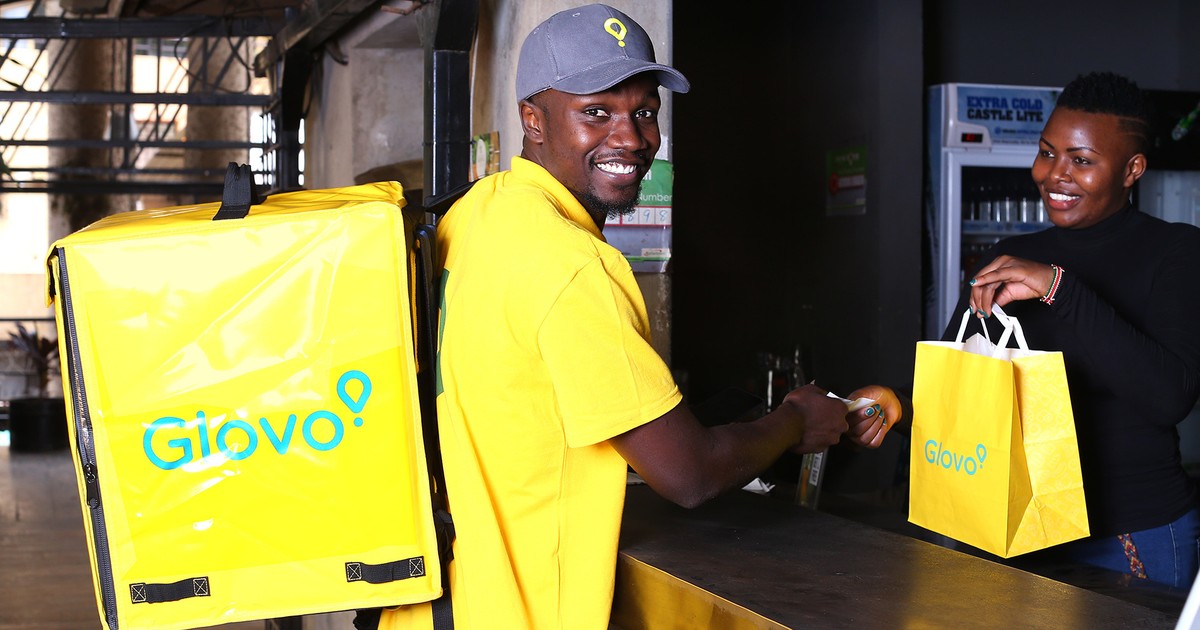
Not immediately.
The transaction still requires regulatory and other approvals, and Uber expects the overall deal to close in the second half of 2027 if the conditions are satisfied.
That means Nigerians shouldn't expect to wake up tomorrow and see Glovo disappear.
There could eventually be changes to:
Glovo's branding
Delivery operations
Driver/rider systems
Restaurant partnerships
Pricing
Loyalty programmes
Uber Eats integration
But exactly how Uber handles Glovo in Nigeria hasn't been announced.
But Competition Could Become a Concern
This is where things get interesting.
A major Uber acquisition of Delivery Hero would bring multiple large delivery brands under one corporate structure globally.
That could reduce competition in some markets.
For Nigerian consumers, the important question will eventually be:
Will having fewer major players lead to better prices and service, or less competition?
That's something regulators and consumers will be watching closely.
The transaction itself is subject to regulatory approvals, and Uber has structured the deal with divestments in overlapping markets partly to address competition concerns.
Why Africa Matters
Africa's delivery market has some unique characteristics.
In cities such as Lagos and Nairobi, delivery companies have to deal with traffic congestion, informal addresses, rapidly growing neighbourhoods and consumers who increasingly expect goods to arrive quickly.
Glovo has already built considerable experience navigating these challenges.
TechCabal recently reported that Glovo sees Africa as a potentially huge quick-commerce market, particularly because of dense neighbourhood retail and the way consumers already rely on local merchants.
That existing infrastructure could be extremely valuable to Uber.
What About Nigerian Restaurants and Small Businesses?
This could actually become one of the most interesting parts of the deal.
Thousands of businesses rely on delivery platforms to reach customers without maintaining their own delivery fleets.
A larger Uber-powered delivery network could potentially give restaurants access to a bigger customer base.
For smaller Nigerian businesses, however, the important things to watch will be:
Commission rates
Delivery fees
Merchant requirements
Promotional costs
Customer acquisition
If competition decreases, restaurants will want to pay close attention to how platform fees evolve.
What About Glovo Riders?
Glovo's rider network is an important part of its African business.
If the acquisition goes through, Uber would inherit a much larger delivery operation across several countries.
That could create opportunities for:
More delivery orders
More customers
Better logistics technology
Cross-platform work opportunities
But there could also be changes to rider commissions, incentives, onboarding and operational policies.
At this stage, it's too early to say exactly what Uber will change for Glovo riders in Nigeria.
Don't Call It a Completed Acquisition Yet
This is important.
The headline might read:
Uber acquires Glovo.
But technically, the acquisition has been announced as a proposed takeover of Delivery Hero — it has not completed yet.
Uber expects the transaction to close in the second half of 2027, subject to shareholder, regulatory and other conditions.
So for now, Glovo continues operating as usual.
What Should Nigerians Expect?
For the average Nigerian customer, there probably won't be an immediate change.
But if the deal is approved and completed, we could eventually see a much larger Uber ecosystem operating across transportation, food and on-demand delivery.
The bigger story isn't simply "Uber is buying Glovo."
It's that one of the world's largest mobility platforms is positioning itself to become an even bigger player in Africa's growing digital delivery economy.
And with Nigeria, Kenya, Uganda, Morocco and other African markets included in the proposed transaction, the continent is becoming an increasingly important part of that strategy.
For Nigerian consumers, restaurants and riders, the next question isn't whether this deal is big.
It's what Uber does with Glovo after it gets the keys.
Advertisement
Responsive
Related Articles

Apple's Future Smart Glasses Could Become Your Personal Health Coach
Apple is reportedly developing health and fitness features for its future AI smart glasses. Here's how they could monitor workouts, heart rate, and daily activity without using a display.
Terra & Miva University Partner to Develop Africa's Defence Technology Talent
Nigerian defence technology company Terra Industries has partnered with Miva Open University to help train the next generation of African engineers, AI specialists, and defence technology innovators.
OpenAI AI Smart Speaker: Jony Ive Design, Price & What to Expect in 2027
OpenAI is reportedly developing a screenless AI smart speaker with Jony Ive's LoveFrom, expected in 2027 for $300–$400. Here's what we know about its design, features, price and potential impact in Africa.

X Product Chief Nikita Bier Steps Down After One Year, Stays On as Advisor
Nikita Bier is stepping down as X's Head of Product after helping rebuild major parts of the platform. Here's what he accomplished, why he's leaving, and what comes next for X.
Telegram Removed from Apple's App Store Worldwide? Here's What We Know 2026
Telegram briefly disappeared from Apple's App Store worldwide before being restored. Here's why it happened, what Apple and Telegram said, and what it means for users in Africa.
X Replaces Creator Revenue Sharing With “Original Content Rewards” What It Means for African Creators
X is moving away from its existing Creator Revenue Sharing model and introducing Original Content Rewards, a program designed to reward original creators rather than engagement gaming.
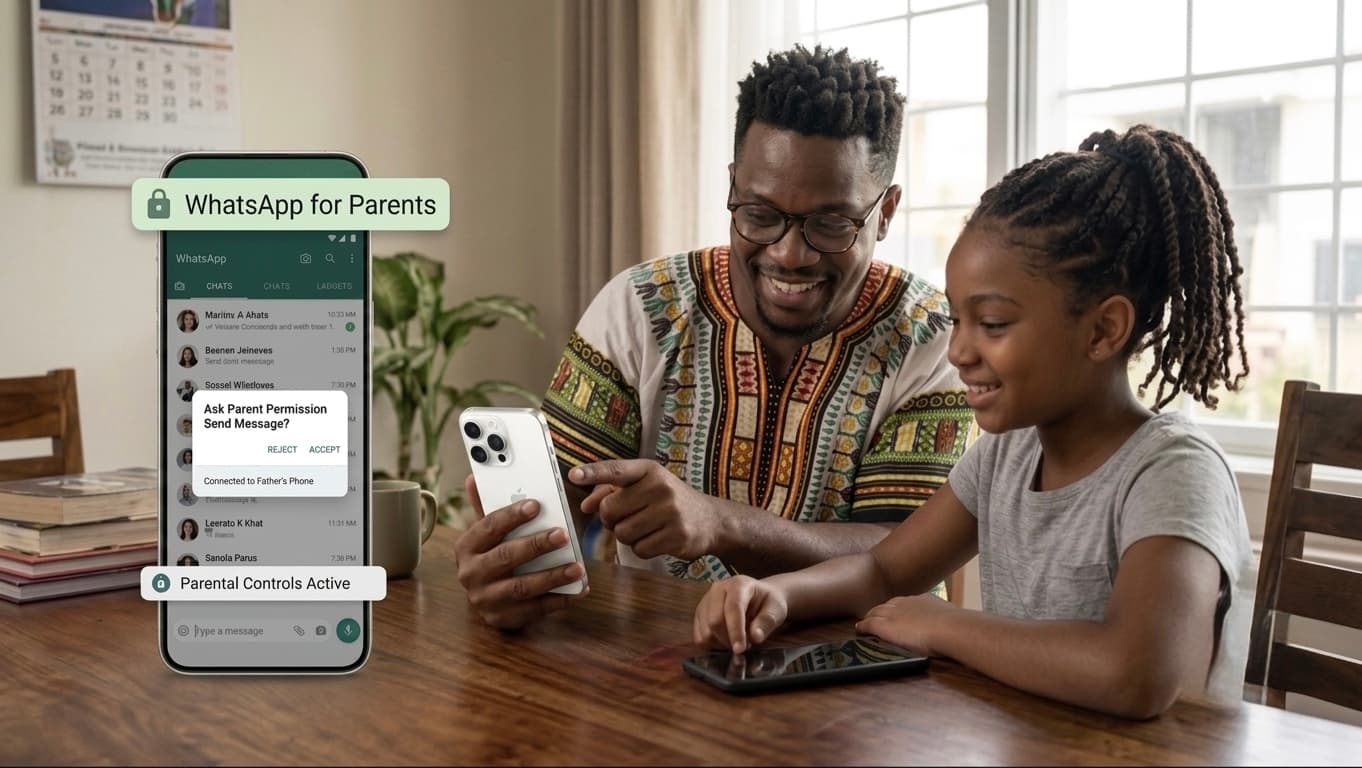
WhatsApp Makes Parental Controls Easier on iPhone: What African Parents Need to Know
WhatsApp is making parent-managed accounts easier to set up on iPhone. Learn how WhatsApp parental controls work, what parents can monitor, and how Nigerian and African families can protect children online.
Advertisement
728x90
Comments (0)
Leave a comment
Comments cannot be edited or deleted after posting. Please review your comment before submitting.
No comments yet. Be the first to share your thoughts!