

Google Gemini Adds Free PDF Editing in Chat: We Tested It in Nigeria
Google Gemini now lets users create and edit PDFs directly in chat. We tested the feature in Nigeria and explain what it means for students, freelancers and businesses.
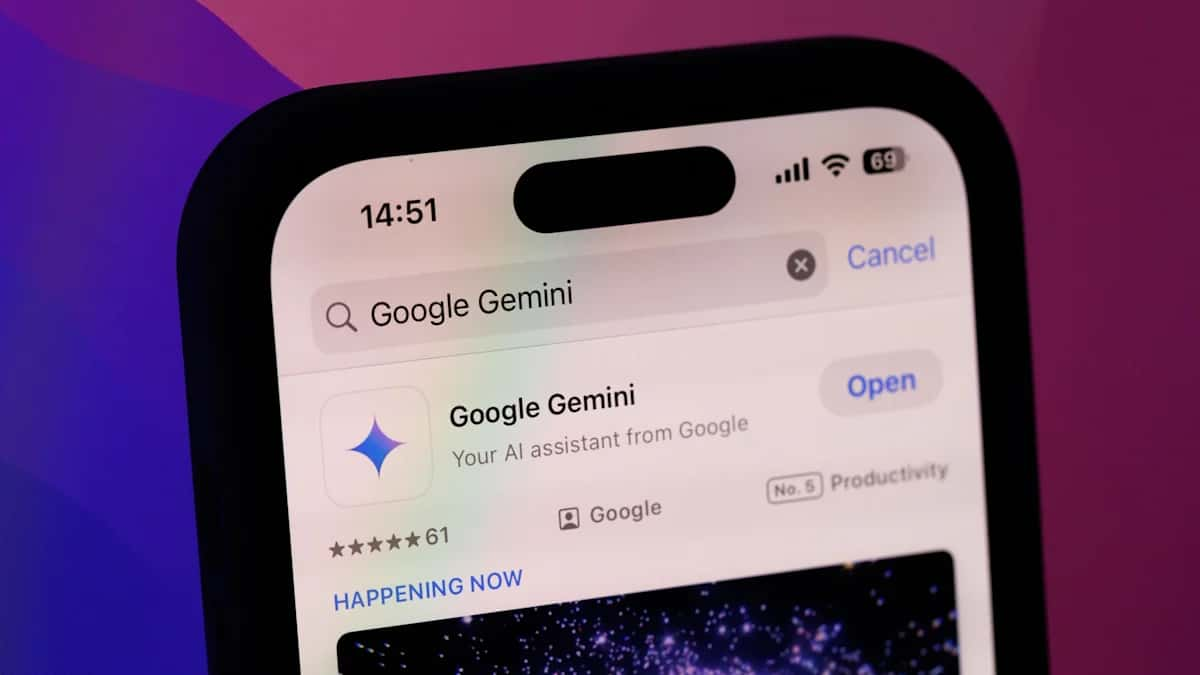
Google has introduced a new feature that lets users create, preview and edit files directly inside its Gemini AI app, reducing the need to download documents and open separate editing software. The feature, announced on October 29, is available to free users as well as subscribers in regions where Gemini is supported.
Afritech Connect tested the PDF editing feature in Nigeria on November 2, 2026, using a free account, and confirmed that it worked. The test provides a practical example of how Google's latest AI update can make document preparation easier for users who need to work on a budget. The feature supports PDFs on both mobile and web. Other formats, including documents, spreadsheets, presentations, Markdown, text files and code, are currently supported through Gemini's web interface.
How Gemini's new file editor works
Previously, users could ask Gemini to generate files and download them for further editing. The new workflow allows them to make changes within the conversation itself. Users can ask Gemini to create a PDF, preview the result, edit text manually in a larger view or highlight a section and ask the AI to rewrite it. They can also ask follow-up questions about the content and export the finished file or move it into Google Drive.
For example, a student could turn lecture notes into a study guide, review the generated document and correct a section without starting again. A freelancer could generate a project proposal, adjust the wording and refine the presentation before sending it to a client.
There are limitations. On Android and iOS, PDF editing is supported, while the other file formats require the web version. The feature is also not a full replacement for specialist PDF software, particularly for advanced page layouts, complex forms or detailed document manipulation.
What it means for students, creators and businesses
Students: Gemini could help turn revision notes, research outlines and study materials into organised PDFs. Students can refine explanations, correct wording and create more readable learning documents without switching between several apps. They should still verify facts, equations and references instead of assuming that generated material is correct.
Content creators: Creators can use the editor to prepare content calendars, media kits, pitch documents and draft reports. Making quick revisions inside the chat could shorten the distance between an idea and a shareable document. However, the tool does not remove the need for original reporting, fact-checking or editorial judgement.
Freelancers: A freelancer could draft a quotation, project brief or proposal, then make client-specific edits in the same conversation. This may be especially useful for independent professionals who do not want to pay for multiple software subscriptions. They should review calculations, contractual terms and deliverables carefully before sending a file.
Small businesses: Businesses can use Gemini to prepare basic checklists, internal guides, product information sheets and first drafts of business documents. For teams already using Google Drive, the ability to move generated files into Google's productivity tools may make collaboration easier.
For more practical advice, see Afritech Connect's guide on using AI to improve productivity at work without creating more work.
The privacy warning users should not ignore
Convenience does not make a document safe to share with an AI assistant. Files supplied to Gemini are handled as part of the user's interaction with the service, subject to Google's applicable privacy terms and settings. Google's Gemini Apps Privacy Hub explains how user data may be processed and how human reviewers can help improve the service. Some reviewed conversations may be retained separately for up to three years, even after a user deletes their activity.
Users should avoid uploading confidential business records, passwords, bank statements, sensitive medical documents or private client information unless they have carefully assessed the applicable data protections and organisational requirements.
This is particularly important for freelancers and small businesses that handle information belonging to customers. Our earlier report on data privacy concerns as AI continues to advance explores the wider risks of sharing information with AI services.
A useful upgrade, but not a substitute for judgement
Gemini's file editor is a practical improvement because it reduces the number of steps required to create and refine everyday documents. For Nigerian users, our November 2 test confirms that the PDF editing capability was accessible through a free account at the time of testing. Its biggest benefit may not be the editing tools themselves, but the simpler workflow: generate a document, inspect it, make changes and export it without repeatedly moving between applications.
The feature is best suited to everyday documents and early drafts. Users preparing formal submissions, financial records, legal documents or sensitive business materials should continue to verify the content and choose tools appropriate to the task.
AI can make document production faster. The responsibility for accuracy, confidentiality and the final decision still belongs to the person using it.
Read more: ChatGPT Removed Text Chat Limits for Free Users: What Nigerians and Africans Need to Know
Read more: How to Build an App With AI: A Complete Guide for Beginners

Author
Dolapo AnifowosheTech enthusiast and technical data scientist who loves to play with numbers. Explore author & articles





