OpenAI Launches Dots, Always-On AI Agents That Keep Working After You Leave ChatGPT
OpenAI has launched Dots, GPT-6 Astra-powered AI agents that can work continuously, use a cloud computer and connect with more than 4,000 apps.

OpenAI has launched Dots, a new generation of always-on AI agents designed to continue working for users even when they are no longer actively using ChatGPT.
Announced at OpenAI DevDay on September 29, Dots are powered by the company's GPT-6 Astra model and represent a significant expansion of ChatGPT beyond the familiar prompt-and-response experience.
Instead of opening ChatGPT every time you need something done, you can give a Dot an ongoing objective and allow it to continue making progress in the background.
Each Dot receives its own cloud computer and web browser, allowing it to navigate websites, use connected services and work across more than 4,000 supported apps.

Your AI Assistant Can Keep Working When You Leave
The most interesting part of Dots is persistence. Traditional AI assistants generally wait for another prompt before doing anything else. A Dot can continue working toward an assigned goal, send updates, ask questions when necessary and bring completed work back for review.
For example, OpenAI says a developer could ask a Dot to examine customer feedback, make improvements to an application and test the changes. A content creator could give it an interview transcript and have the agent identify clips, prepare show notes and draft social-media posts.
The underlying idea is straightforward: instead of treating AI as something you repeatedly ask questions, OpenAI wants Dots to behave more like persistent digital assistants that understand ongoing work.
Dots Get Their Own Computer
Giving every Dot access to a cloud computer significantly expands what the system can potentially accomplish. The agent can use a browser and interact with supported applications rather than simply generating instructions explaining what the user should do.
Dots can also maintain context across interactions and learn user preferences over time. OpenAI says this could eventually allow them to anticipate useful tasks before users explicitly request them.
Users can monitor what their Dot is doing through its cloud computer rather than simply waiting for the final result.
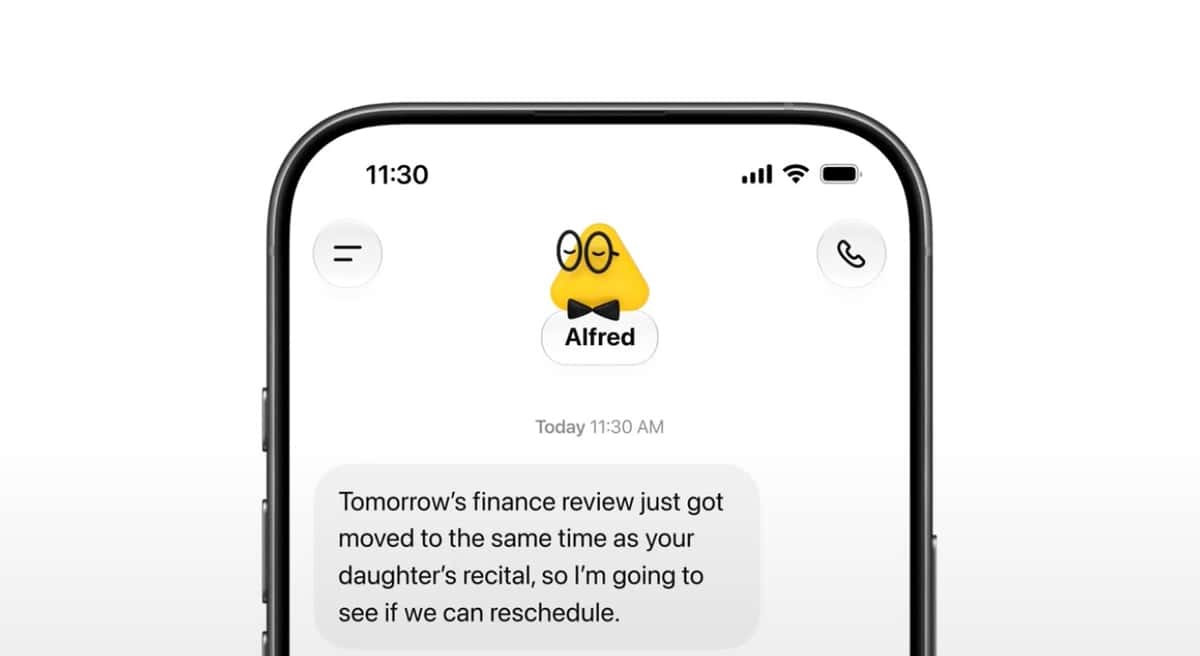
Chat With Your Dot Or Call It
OpenAI is also making Dots available beyond the normal ChatGPT text interface.
Users can communicate with a Dot through text or make voice calls through ChatGPT across supported web, desktop and mobile experiences.
Dots can also work through Slack and Microsoft Teams, carrying context between supported platforms. OpenAI says text-message access is coming later. That could make Dots particularly interesting for businesses where work is already spread across communication platforms, browsers and cloud applications.
What Stops a Dot From Doing Something You Don't Want?
Giving an AI agent continuous access to applications inevitably raises questions about control and security. OpenAI says Dots include rules governing when they can act independently. Users can create additional restrictions determining which actions an agent can perform automatically and which require approval.
The system also includes an auto-review mechanism designed to check actions against safety requirements and the rules established by the user.
Sensitive tasks can therefore be handed back to the user rather than completed autonomously. This distinction will be important if persistent AI agents eventually gain access to increasingly important parts of people's professional and personal lives.
Who Can Use OpenAI Dots?
Dots are beginning to roll out today across ChatGPT Pro, Business Premium and Enterprise.
Pro subscribers are among the first individual users gaining access, while organizations will have additional controls around how agents operate inside their environments.
Users currently start with one primary Dot. That appears to be only the beginning.
OpenAI says users will eventually be able to add more Dots, potentially creating multiple specialized agents responsible for different areas of work. The company is also experimenting with specialist Dots for organizations.
In effect, one personal AI assistant could eventually become an entire collection of AI workers.
OpenAI also says conversations with Dots will initially not count toward normal ChatGPT usage limits.
What About the Reported $500 ChatGPT Plan?
OpenAI also announced a new $500-per-month Pro access option at DevDay, according to reporting from the event. That should not be confused with the basic availability of Dots.
Dots are already rolling out to existing eligible Pro and business users. The higher-priced offering is part of OpenAI's broader expansion of premium AI access announced alongside several other DevDay products.
Why Dots Could Be More Important Than Another ChatGPT Model
The significance of Dots isn't simply that GPT-6 Astra is more capable. It is the change in how people interact with AI.
Chatbots made AI conversational. Coding agents demonstrated that models could work through longer technical tasks. Dots push the concept toward persistent AI workers that can remain active across applications, devices and conversations.
That creates obvious possibilities for developers, researchers, creators and businesses but it also makes reliability, permissions and security considerably more important.
For now, every user starts with one Dot. OpenAI's longer-term vision is much bigger: a future where instead of having one AI assistant waiting for instructions, you could have an entire team of agents continuously working toward different goals.
Read more: ChatGPT Removed Text Chat Limits for Free Users: What Nigerians and Africans Need to Know
Read more: How to Use AI to Improve Productivity at Work Without Creating More Work
Read more: AI Is Making Misinformation More Dangerous — Africa Needs to Prepare

Author
Kwame MensahTech journalist covering AI, software, and emerging technologies impacting Africa's digital landscape and beyond.. Explore author & articles