

RedmiBook Pro 15 Review: Display, Battery and Build
RedmiBook Pro 15 review covering its 3.2K 90Hz display, Core i5 performance, battery life, ports, price and whether it is still worth buying.

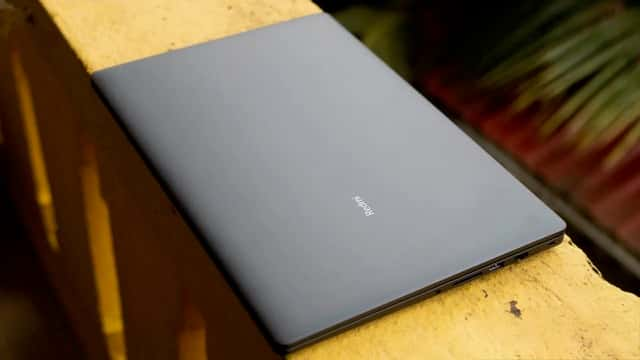
The RedmiBook Pro 15 is no longer a new laptop, but its combination of a high-resolution display, aluminium construction and Intel H-series processor means it can still look surprisingly attractive to students, remote workers and professionals shopping for a productivity laptop.
Originally launched in February 2021, the Pro 15 sits above Xiaomi's standard RedmiBook 15. Its biggest advantages are a much better 3.2K 90Hz display, 16GB RAM and a 70Wh battery. But in 2026, age and price matter just as much as specifications.
RedmiBook Pro 15 Specs andPrice
Specification | RedmiBook Pro 15 |
|---|---|
Launch Date | February 25, 2021 |
International Launch Price | US$774 equivalent |
Nigeria Price | ₦693,200 |
Display | 15.6-inch 3.2K, 3200 × 2000 |
Refresh Rate | 90Hz / 60Hz |
Aspect Ratio | 16:10 |
Processor | Intel Core i5-11300H |
Graphics | Intel Iris Xe / optional NVIDIA MX450 |
RAM | 16GB DDR4 |
Storage | 512GB PCIe SSD |
Battery | 70Wh |
Charging | 100W |
Wi-Fi | Wi-Fi 6 |
Thunderbolt | Thunderbolt 4 |
Webcam | Yes |
Fingerprint Reader | Yes |
Operating System | Windows 11 |
The Core i5/16GB/512GB configuration originally launched in China for ¥4,999, equivalent to roughly $774 at the time, while the MX450 version was ¥5,499 and the higher Core i7 model reached ¥6,299.
The 3.2K Display Is Still Impressive
The screen remains one of the RedmiBook Pro 15's best features. You get a 15-inch-class 3.2K display with a 3200 × 2000 resolution, 16:10 aspect ratio and refresh rate selectable between 60Hz and 90Hz. Xiaomi also specifies 100% sRGB coverage and DC dimming. That's significantly more interesting for productivity than a conventional 1920 × 1080 60Hz panel.
The 16:10 ratio provides additional vertical workspace for documents, spreadsheets, programming and web browsing, while the 90Hz option makes scrolling and animations feel smoother.
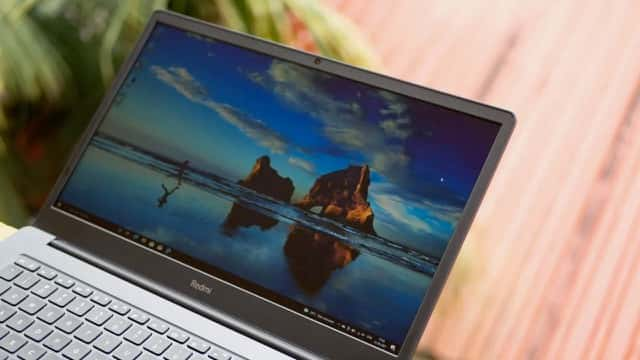
For photo editing and content creation, 100% sRGB coverage is another useful advantage, although professionals working in wider colour spaces will want something more specialized.
Core i5-11300H Performance
The commonly available RedmiBook Pro 15 uses an 11th-generation Intel Core i5-11300H, reaching up to 4.4GHz, alongside Intel Iris Xe graphics. Xiaomi confirms 16GB DDR4-3200 memory and a 512GB PCIe NVMe SSD for the Pro configuration.
There were also configurations with an NVIDIA GeForce MX450, as well as a higher-end Core i7 version.
For web browsing, Microsoft Office, research, programming, Zoom meetings and everyday business workloads, the i5 model remains usable.
The problem is age. An 11th-generation Intel processor is several generations behind current hardware in 2026. Buyers doing heavy 4K video editing, 3D rendering, modern gaming or local AI workloads should prioritize a newer processor and GPU instead.
70Wh Battery and 100W Charging
Unlike the standard RedmiBook 15, which uses a 46Wh battery, the original Pro 15 was equipped with a much larger 70Wh battery and 100W charging. That's an important distinction when shopping because sellers sometimes use “RedmiBook 15” and “RedmiBook Pro 15” loosely.
Battery condition is another concern in 2026. A laptop manufactured several years ago may no longer deliver anything close to its original endurance if its battery has experienced substantial degradation. Check battery health when buying used or old stock.
Ports Are Surprisingly Practical
Connectivity includes Thunderbolt 4, USB-C, USB-A, HDMI and a 3.5mm audio connection, while Wi-Fi 6 handles wireless networking. Launch specifications indicate Thunderbolt 4 can help drive external high-resolution displays.
There's also a fingerprint reader integrated into the power button and a backlit keyboard. That combination makes the laptop suitable for desk-based productivity where external monitors and accessories are frequently connected.

Nigeria Price in 2026
A current Nigerian listing shows the Core i5-11300H, 16GB RAM, 512GB SSD and Iris Xe configuration at ₦693,245, discounted from ₦769,950.
An enhanced RedmiBook Pro 15 listing with newer i5-11320H/i7-11390H options also appears around ₦666,691 and upward, depending on configuration.
At roughly ₦700,000, however, we'd compare carefully against newer laptops before purchasing. The RedmiBook Pro 15's display is excellent for its generation, but modern laptops can provide much newer processors, improved efficiency and longer remaining software and hardware life.
Final Verdict
The RedmiBook Pro 15 has aged better than many 2021 productivity laptops, largely because Xiaomi gave it features that were relatively ambitious at launch: a 3.2K 90Hz 16:10 screen, 16GB RAM, 512GB SSD, 70Wh battery, Thunderbolt 4 and aluminium construction.
It's still suitable for students, writers, programmers, office workers and remote professionals who prioritize screen quality and everyday productivity.
However, its Core i5-11300H is now old, and the approximately ₦693,245 Nigerian asking price makes the decision harder. If you find the RedmiBook Pro 15 significantly discounted, it can still be a capable productivity machine. At close to ₦700,000, we'd compare it carefully with newer-generation laptops before buying.
The display remains excellent. The performance remains usable. But in 2026, price—not specifications—is the biggest factor determining whether the RedmiBook Pro 15 is still a good deal.
Read more: HP ZBook Fury G1i 16 Review: 192GB RAM and Pro Graphics
Read more: MacBook Pro 16 M5 Pro vs Surface Laptop Ultra: Which $3,000 Laptop Is Better for AI, Creators and Professionals?

Author
Adebayo JohnsonSenior tech editor with over 4 years of experience covering mobile and gadget technology. Explore author & articles





