





Vivo V80 Review: A 7,200mAh Battery and ZEISS Cameras Make This One to Watch
Vivo V80 review covering its 7,200mAh battery, 144Hz AMOLED display, ZEISS cameras, Snapdragon 7 Gen 4 performance, global price expectations and Nigeria price
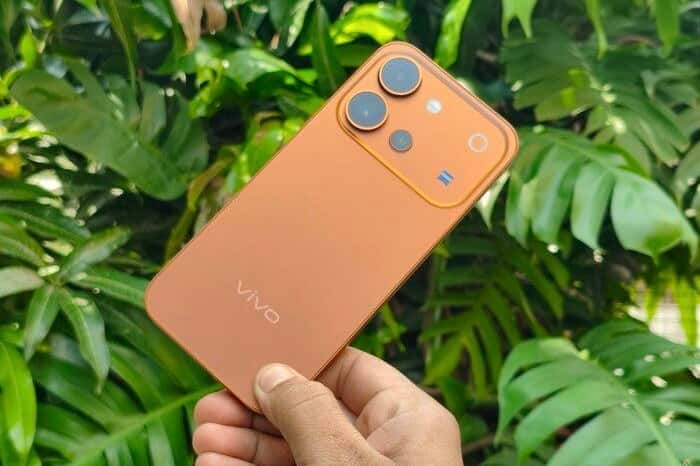
The Vivo V80 has an unusually clear idea of what a premium mid-range phone should prioritize: battery life, portrait photography and display quality.
Its headline numbers are difficult to ignore. There is a 7,200mAh battery, 90W charging, a 144Hz 1.5K AMOLED display and two 50MP rear cameras, including a proper 3x telephoto. Underneath, however, is the familiar Snapdragon 7 Gen 4 rather than a new processor.
That combination makes the V80 more interesting than another annual specification bump, but also raises an important question: has Vivo improved the areas people actually notice, or simply made the numbers larger?
Our early assessment suggests it is mostly the former.
Vivo V80 specifications and price
Specification | Vivo V80 |
|---|---|
Display | 6.59-inch AMOLED, 2750 × 1260 |
Refresh rate | Up to 144Hz |
Peak brightness | 5,000 nits local peak; 1,800 nits HBM |
Processor | Qualcomm Snapdragon 7 Gen 4 (4nm) |
RAM | 8GB / 12GB, depending on market |
Storage | 128GB / 256GB / 512GB, depending on market |
Main camera | 50MP Sony LYTIA 700V, OIS |
Telephoto | 50MP Sony IMX882, OIS, 3x optical zoom |
Ultrawide | 8MP |
Front camera | 50MP autofocus |
Battery | 7,200mAh |
Charging | 90W wired |
Water resistance | IP68 / IP69 |
Software | Android 17, OriginOS 7 |
Weight | 203g |
International price | Expected $650 / €580 |
Nigeria price | ₦850,000–₦1.06 million expected |
Price note: The V80 launches on October 6, and Vivo has not yet published final retail pricing. The international and Nigerian figures above are current market estimates rather than confirmed MSRP, so we would not treat them as final buying prices.
Design: big battery without an enormous body
The first specification that made us look twice wasn't the camera. It was the battery. Fitting 7,200mAh into a phone measuring roughly 7.7mm thick and weighing around 203g is impressive engineering for this class. The V80 does not have the dimensions normally associated with a battery-focused phone. Vivo uses a one-piece glass rear design with a raised camera module, giving the device a cleaner premium appearance than the capacity inside might suggest.
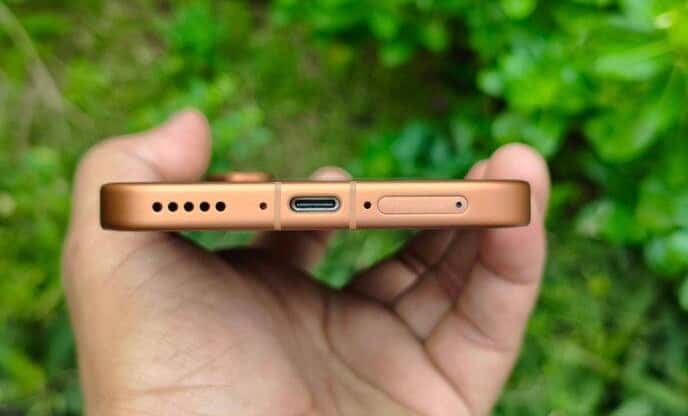
Durability is equally serious. IP68 and IP69 certification means protection against dust, immersion and high-pressure water jets under specified laboratory conditions.
There are three finishes: Stellar Black, Horizon Blue and Sunrise Anthem. The overall styling is restrained enough for a professional phone while the latter two provide some personality.
The 144Hz AMOLED display is excellent on paper
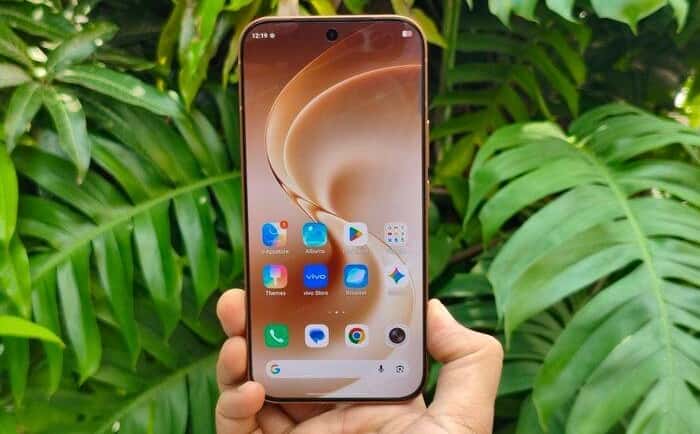
The front is dominated by a 6.59-inch AMOLED panel with a 2750 × 1260 resolution, approximately 459ppi and a refresh rate reaching 144Hz. That is an interesting move because 120Hz already feels exceptionally fluid in everyday smartphone use. The additional jump to 144Hz will be easiest to appreciate in compatible games and applications rather than while reading email.
Brightness deserves some clarification. The advertised 5,000-nit figure is local peak brightness, not what you should expect across the entire panel continuously. High-brightness mode is rated at 1,800 nits, which is the more useful figure when considering outdoor readability.
Either way, this is shaping up to be one of the V80's strongest components.
Cameras: the telephoto matters more than another megapixel race
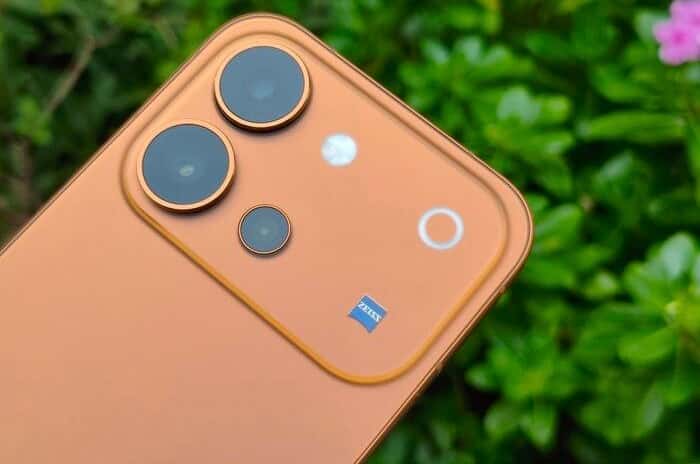
The camera system is where the V80 becomes more interesting. The primary camera uses a 50MP Sony LYTIA 700V sensor with OIS, accompanied by a 50MP Sony IMX882 telephoto with optical stabilization and 3x optical zoom. An 8MP ultrawide completes the rear setup, while the front gets a 50MP autofocus camera.
We like this arrangement more than the familiar main-camera-plus-two-filler-sensors formula. A dedicated 3x telephoto gives the camera system genuine versatility, particularly for portraits, events and tighter compositions. The telephoto's 1/1.95-inch sensor also makes it more than a token zoom camera.
Vivo continues its ZEISS collaboration here, with portrait processing and 4K video features playing a major role. The V80 supports 4K 60fps video, while the front camera's 92-degree field of view should make group selfies easier without forcing everyone into the edge of the frame.
The obvious weak link is the 8MP ultrawide. On a device pushing toward premium territory, I would have preferred greater resolution and autofocus.
Snapdragon 7 Gen 4: capable, but familiar
Inside is Qualcomm's Snapdragon 7 Gen 4, manufactured on a 4nm process with a peak CPU frequency of 2.8GHz. This isn't a processor designed to chase flagship benchmark records, and that's fine. It has enough performance for demanding everyday multitasking, photography, social applications and gaming without requiring flagship-level power consumption.
But it is also where V70 owners have the least reason to upgrade. Vivo hasn't moved to a new generation of processing hardware here.
The V80 instead spends its upgrade budget elsewhere: battery capacity, display refresh rate and imaging features. That feels like a sensible trade if sustained battery life matters more to you than benchmark charts.
A 7,200mAh battery changes the conversation
The 7,200mAh BlueVolt battery may ultimately be the V80's best feature. For perspective, 5,000mAh was the Android flagship standard for years. Crossing 7,000mAh without turning the device into a rugged-phone-sized slab gives the V80 considerably more headroom for navigation, video, photography, gaming and 5G use.
Charging reaches 90W, with Vivo's laboratory testing putting 50% charge at approximately 30 minutes in Fast Charging Mode. Real charging times will depend on temperature, usage and charging conditions.
We will reserve a definitive endurance verdict for controlled real-world battery testing, but capacity alone makes the V80 particularly promising for heavy users.
Vivo V80 price in Nigeria
This is where buyers should exercise some patience. Our market check found Nigerian estimates ranging from ₦867,600 to ₦1,062,500, but these are pre-launch figures rather than confirmed retail prices.
Because the V80 has not officially launched as of this review, we would not recommend making a buying decision around either number yet. Import costs, exchange rates, storage configuration and whether Vivo distributes the device officially in Nigeria could significantly change the final street price. We will consider ₦850,000–₦1.06 million an indicative range, not an official Nigerian price.
Early verdict
The Vivo V80 looks like an intelligently configured upper-mid-range phone. Its 7,200mAh battery is the standout, but the 144Hz 1.5K AMOLED display and 50MP 3x telephoto make the package more rounded than a battery-focused device normally is. IP68/IP69 protection and a 50MP autofocus selfie camera further strengthen it.
There are compromises. The Snapdragon 7 Gen 4 isn't new, the 8MP ultrawide feels underpowered beside the two 50MP cameras, and final pricing could completely change the value equation.
For V70 owners, I would wait. The larger battery and faster display are meaningful improvements, but not necessarily enough to justify another purchase.
For everyone else, the V80 is worth watching closely. If Vivo gets the final price right, this could become one of the more compelling Android phones for buyers who want long endurance and serious portrait hardware without paying full flagship money.
Best for: Battery-heavy users, portrait photographers, travelers, content creators and anyone who values endurance over benchmark supremacy.
Think twice if: You already own a recent Vivo V-series phone, want flagship-class gaming performance or rely heavily on ultrawide photography.
Read more: vivo X300 Pro Review: A Camera Flagship Built Around a 200MP Telephoto
Read more: vivo X200 Pro Review: Is This 200MP Camera Flagship Still Worth Buying?
Read more: Infinix NOTE 60 Pro Review: Price, Specs, Features and Camera

Author
Nkechi OkaforMobile device specialist focused on smartphones, tablets, and wearables for the African market. Explore author & articles
Related Articles

Xiaomi 17 Pro Max Review: Two Screens, Huge Battery and Serious Cameras
Xiaomi 17 Pro Max review covering its Snapdragon 8 Elite Gen 5 performance, rear display, Leica cameras, 7,500mAh battery, international price and Nigeria price.

Samsung Galaxy A57 Review: Price and Specs
Samsung Galaxy A57 review covering its price, Exynos 1680 performance, 120Hz AMOLED display, cameras, battery, AI features and whether it is worth buying.
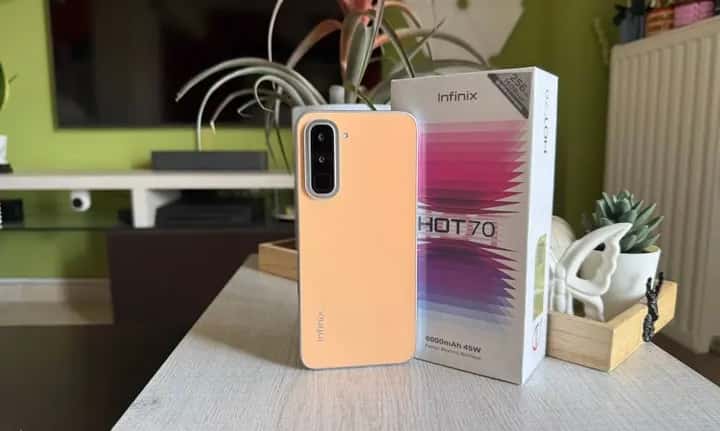
Infinix HOT 70 Pro 5G Review: More Power, More AI, but One Display Compromise
Infinix HOT 70 Pro 5G review covering its Dimensity 7100 performance, 50MP Sony camera, 6,000mAh battery, AI features, design, limitations and price.

OPPO A6 Review: Big Battery, 120Hz Display and Price
OPPO A6 review covering its 7,000mAh battery, 120Hz display, Snapdragon 685, cameras, performance and current price in Nigeria.
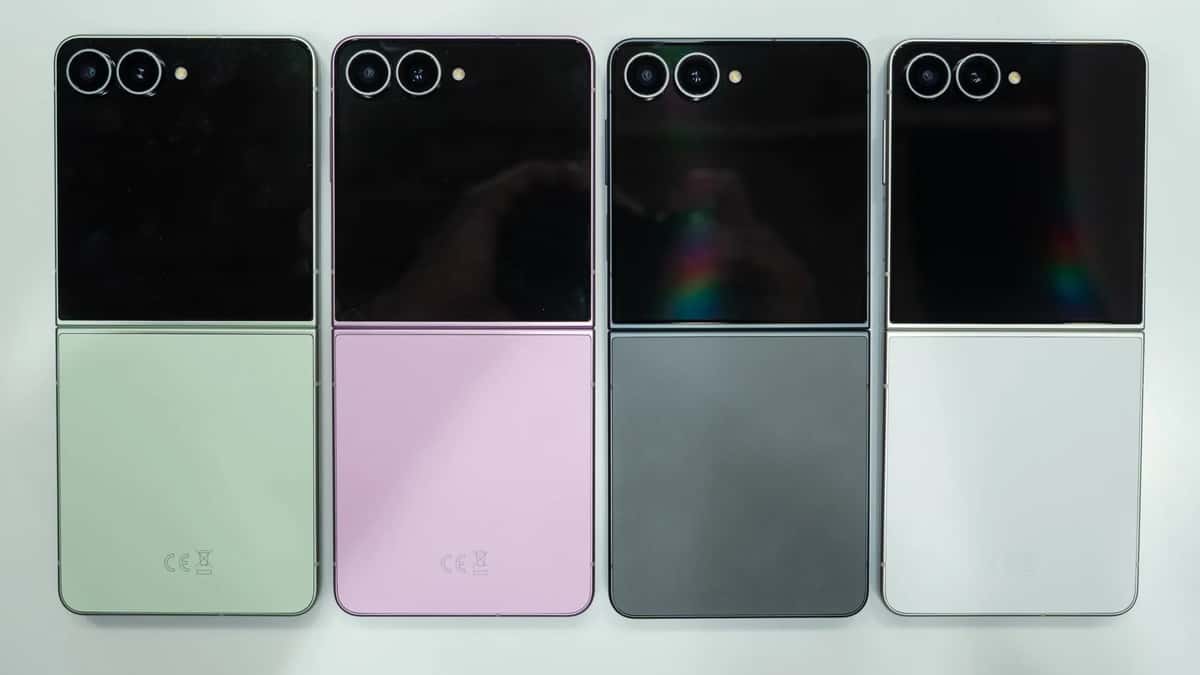
Samsung Galaxy Z Flip8 Review: A Better Flip Phone, but the Price Is Getting Harder to Ignore
Samsung Galaxy Z Flip8 review covering its slimmer design, 4.1-inch cover screen, cameras, battery life, performance and price.

Huawei Mate 90 Series Review: Huawei’s Flagship Phones Push Cameras, Battery and HarmonyOS Further
Huawei Mate 90 series review covering the Mate 90, Mate 90 Pro and Mate 90 Pro Max, including cameras, performance, battery and price.

Google Pixel 11 Pro Fold Review: Google’s Smartest Foldable Yet
Google Pixel 11 Pro Fold review covering its 8-inch display, Tensor G6 performance, cameras, battery life, AI features, international price and Nigeria price.
Comments (0)
Leave a comment
Comments cannot be edited or deleted after posting. Please review your comment before submitting.
No comments yet. Be the first to share your thoughts using the form above.