


LuliFiber vs WiFiber: Cheapest Unlimited Internet Plans in Nigeria 2026
LuliFiber vs WiFiber in Nigeria: compare unlimited internet prices, speeds, coverage, installation and plans to find the cheapest fibre broadband for your home.

If you're tired of buying expensive MTN, Airtel, Glo or 9mobile data bundles every month, fibre broadband can be a much cheaper option for heavy internet users. Two providers worth looking at in Nigeria are LuliFiber and WiFiber. Both offer unlimited fibre internet, but their prices, advertised speeds and coverage differ.
So, which one gives you the better deal in 2026?
LuliFiber vs WiFiber at a Glance
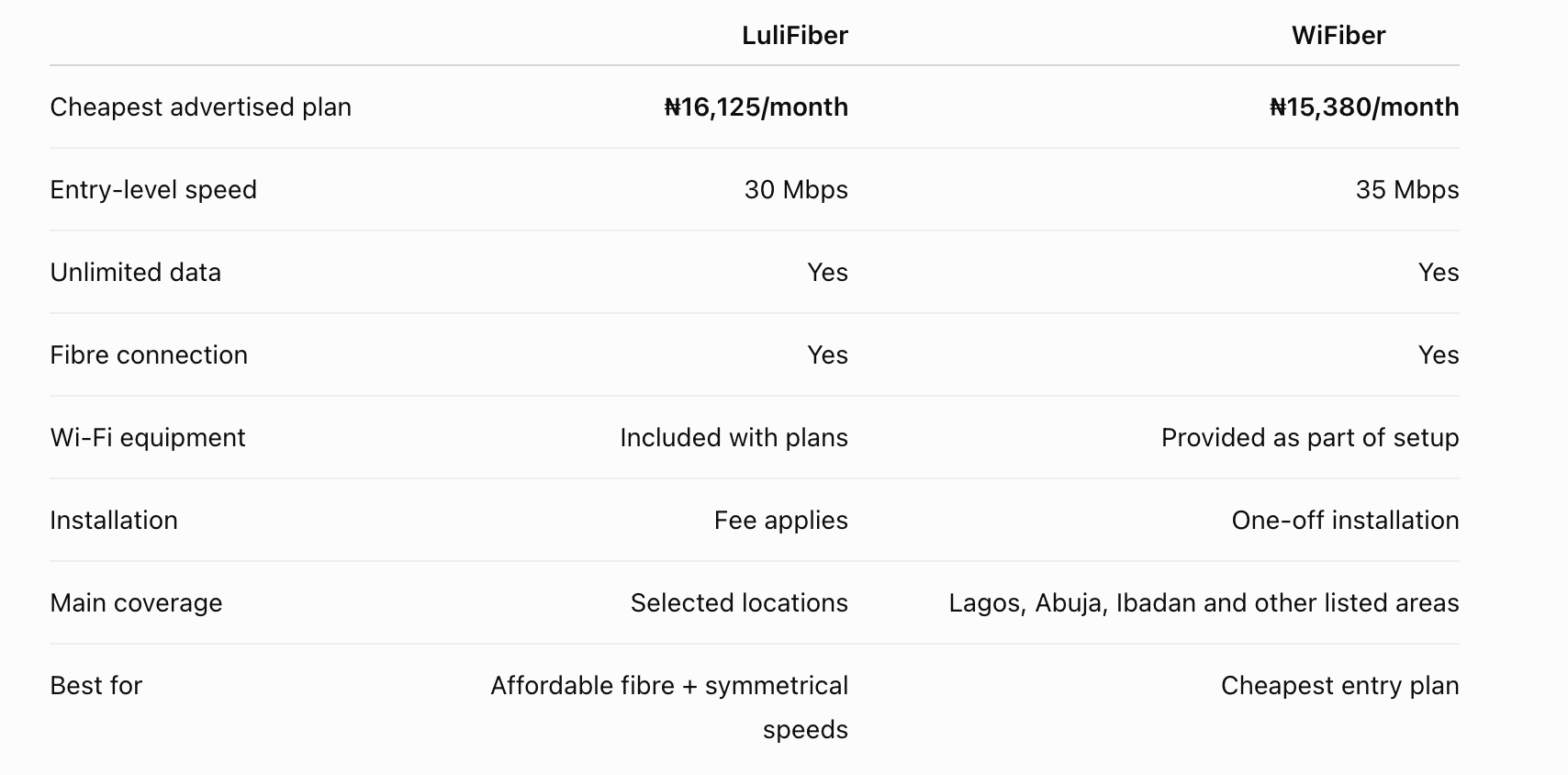
Prices and availability can vary by location, so check your exact address before paying.
LuliFiber: Starting From ₦16,125
LuliFiber currently lists its Luli Essential package at 30 Mbps for ₦16,125 per month.
The plan includes unlimited data, support for multiple devices and symmetrical speeds, meaning the advertised connection is designed to provide comparable download and upload capacity.
Its next package, Luli Estate, offers 60 Mbps for ₦18,275 per month.
There is also a 50 Mbps Luli Basic plan for ₦27,036/month, followed by higher-speed packages aimed at gamers, families and businesses.
One important consideration is the initial cost. LuliFiber currently lists total first-time package costs of ₦91,375 for Luli Essential and ₦93,525 for Luli Estate, with installation completed within 7–14 working days.
LuliFiber plans worth considering
30 Mbps — ₦16,125/month
60 Mbps — ₦18,275/month
50 Mbps — ₦27,036/month
75 Mbps — ₦50,906/month
100 Mbps — ₦79,442/month
All are advertised as unlimited packages.
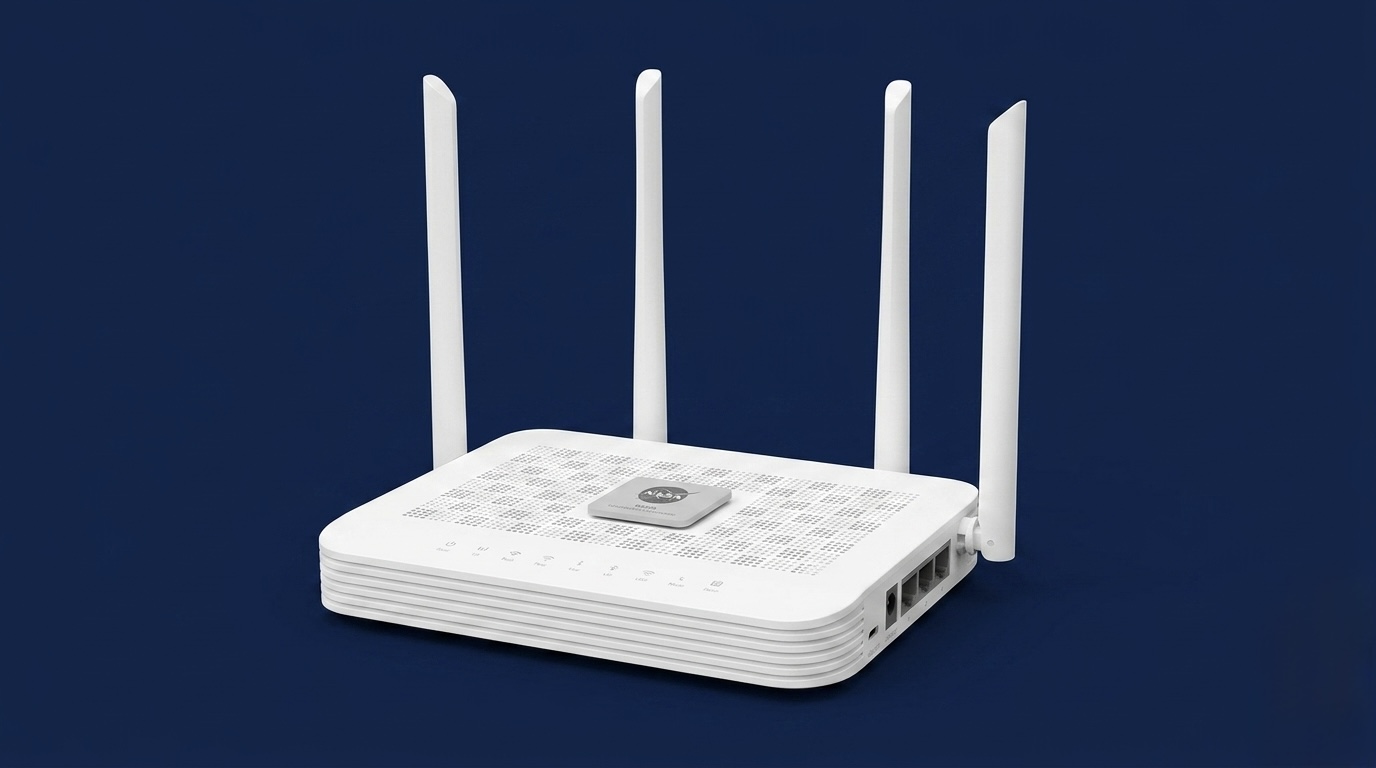
LuliFiber also has different offers depending on location. Its older plan page, for example, lists separate packages for Owerri, showing that prices and speeds aren't necessarily identical across every city.
WiFiber: Starting From ₦15,380
WiFiber has a slightly cheaper entry point.
Its Home Smart plan offers up to 35 Mbps for ₦15,380 per month, with unlimited downloads. The provider also lists:
70 Mbps — ₦27,850/month
100 Mbps — ₦36,550/month
250 Mbps — ₦65,500/month
300 Mbps — ₦85,850/month
These are residential plans currently displayed by WiFiber.
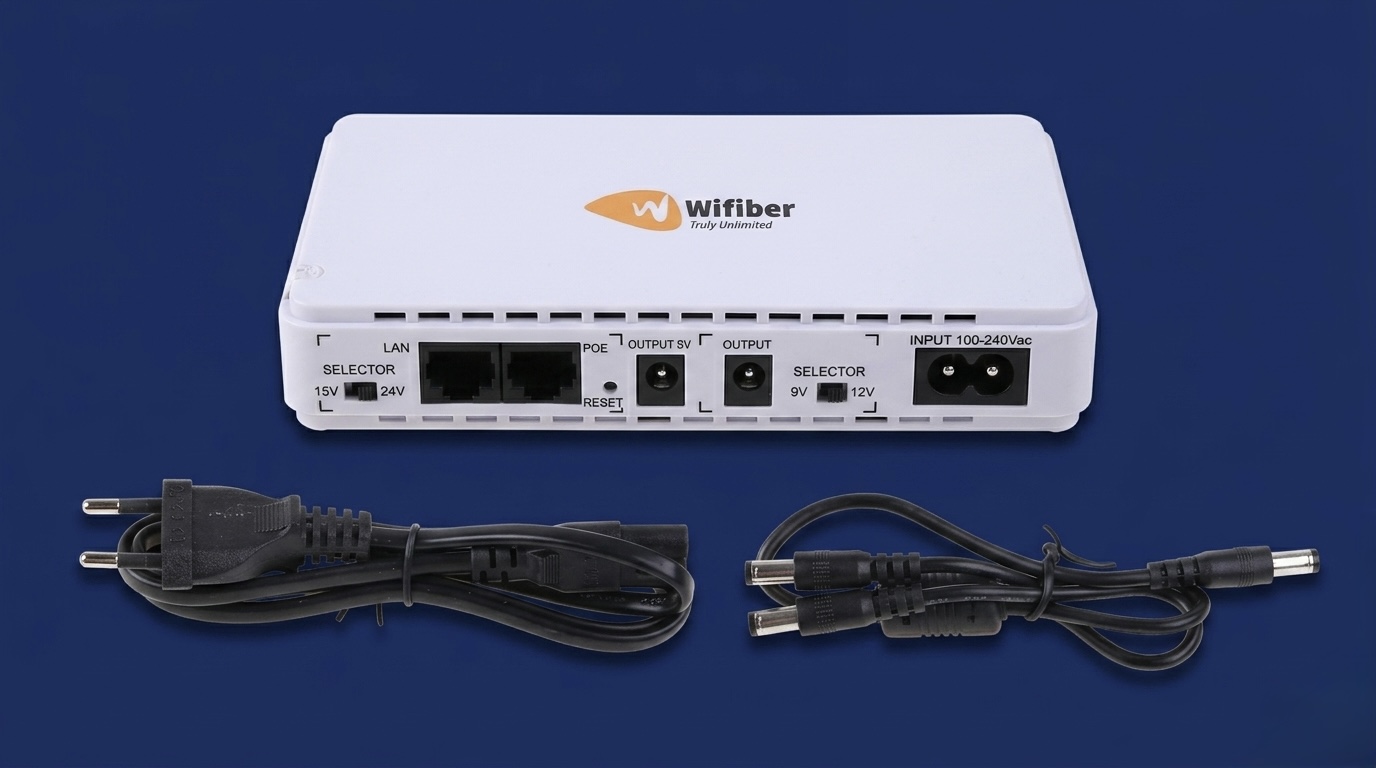
WiFiber says its packages have no data caps, although its terms of service contain network-management provisions that allow bandwidth management under certain circumstances.
Which Is Cheaper?
At the cheapest advertised monthly price, WiFiber currently wins:
WiFiber: ₦15,380/month for up to 35 Mbps
LuliFiber: ₦16,125/month for 30 Mbps
That's only a ₦745 monthly difference, however. The more interesting comparison comes at higher speeds.
100 Mbps comparison
LuliFiber: ₦79,442/month
WiFiber: ₦36,550/month
At this particular advertised tier, WiFiber is considerably cheaper. However, the plans aren't necessarily identical in terms of equipment, service area and package benefits, so don't compare the headline speed alone.
Coverage: Which One Has Better Availability?
Coverage may ultimately matter more than price. WiFiber currently lists Lagos, Abuja and Ibadan on its residential service page, while its website also mentions availability in Ogun.
LuliFiber describes itself as expanding across Nigeria, but it requires customers to check whether their specific location is covered. Its listed locations include Ikeja, Egbeda, Lekki and Owerri, among others. This means you shouldn't assume that being in Lagos, Abuja or another supported city automatically means your house can be connected.
Fibre coverage is usually street-by-street.
Before paying, ask the provider to confirm serviceability for your exact address.
What About Real-World Performance?
Advertised speed isn't everything with fibre internet.
Your actual experience can depend on:
Network congestion
Router placement
Wi-Fi interference
Number of connected devices
Your home's wiring and network equipment
International routing
Power supply
Local fibre outages
There is also some user discussion around LuliFiber on Nairaland. One user reported positive experience in Ikeja since 2022, while other commenters questioned the independence of a lengthy promotional-style review. This is a useful reminder that individual online reviews should be treated as anecdotal rather than definitive evidence of network performance.
Which Is Better for Remote Work?
Both can make sense for remote workers if fibre is available at your address. For Zoom, Google Meet, Microsoft Teams, cloud applications and normal browsing, you don't necessarily need 300 Mbps.
A reliable 30–70 Mbps connection can be enough for many homes. I'd therefore look at the cost-to-reliability ratio, rather than simply choosing the fastest package.
Which Is Better for Streaming?
Both providers advertise unlimited packages, making them interesting for heavy Netflix, YouTube and other streaming users. For a small household, 30–50 Mbps can be sufficient for normal HD streaming.
If several people are simultaneously streaming, downloading large files and gaming, moving to a higher-speed plan makes more sense.
LuliFiber vs WiFiber: My Verdict
Cheapest entry-level unlimited internet: WiFiber
At ₦15,380/month, WiFiber's entry plan is slightly cheaper and advertises up to 35 Mbps.
Better low-cost alternative: LuliFiber
LuliFiber's 30 Mbps ₦16,125/month package is only slightly more expensive and advertises unlimited data and symmetrical speeds.
Best value at 100 Mbps: WiFiber
WiFiber currently lists 100 Mbps at ₦36,550/month, substantially below LuliFiber's listed 100 Mbps premium package.
Best provider for you: whichever covers your street
This is the most important point.
Don't subscribe based solely on the advertised price.
Ask people living in your immediate area:
How is the internet during the evening?
That's often more useful than a provider's maximum advertised speed.
Final Verdict
If you're searching for cheap unlimited internet in Nigeria in 2026, LuliFiber and WiFiber are both worth investigating. WiFiber currently has the cheaper entry plan, while LuliFiber offers competitive low-cost packages and a range of higher-speed plans. But fibre broadband is highly location-dependent. A ₦15,000 plan isn't a bargain if the provider doesn't cover your street or suffers frequent outages in your neighbourhood.
Our advice: check coverage first, ask nearby users about reliability, then compare the total installation cost—not just the monthly subscription.
For many Nigerian households that use a lot of data, paying roughly ₦15,000–₦30,000 per month for unlimited fibre can be considerably more attractive than repeatedly buying large mobile-data bundles.
Related Articles
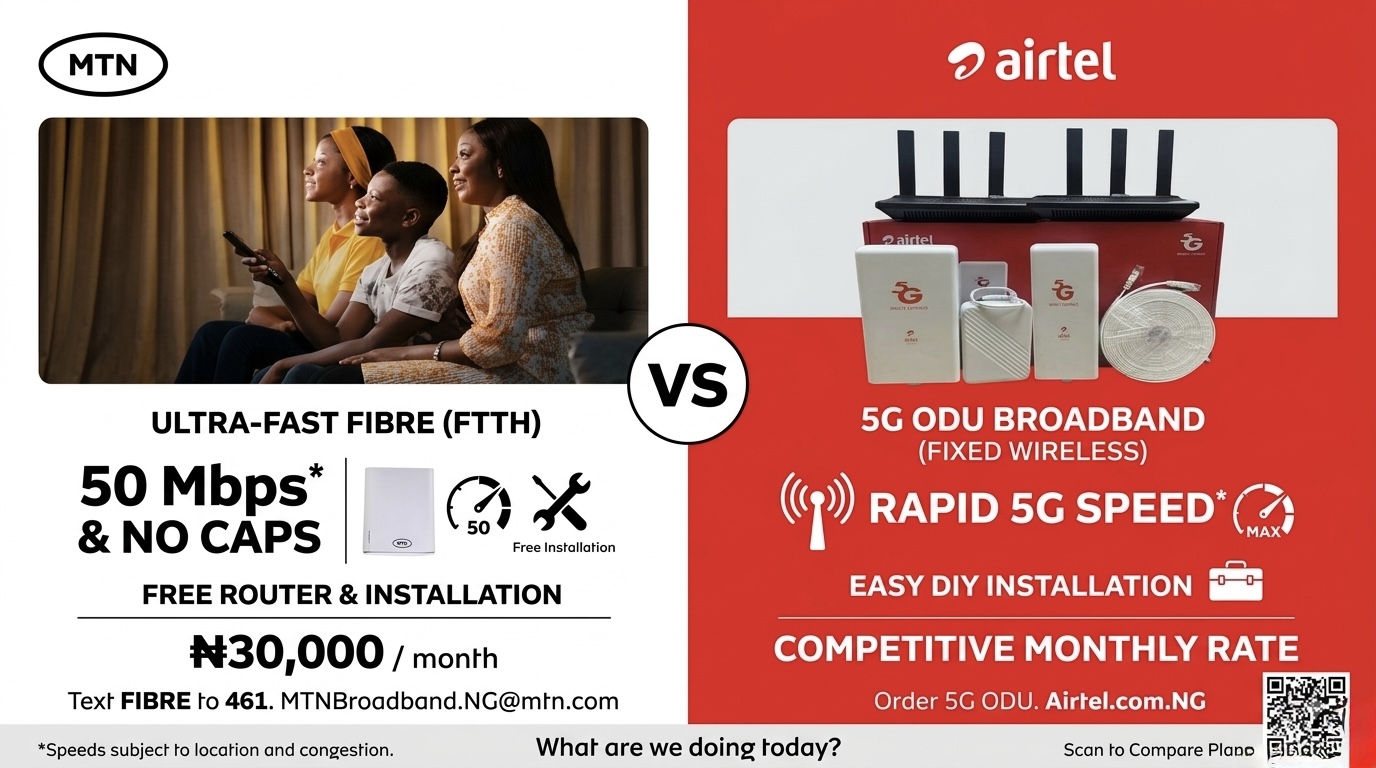
MTN FibreX vs Airtel 5G ODU: Which Home Internet Is Better in Nigeria?
MTN FibreX vs Airtel 5G ODU: compare Nigerian prices, speeds, unlimited data, installation, coverage and performance to choose the best home internet.
Google Pixel 11 vs Galaxy S26 vs iPhone 17: Which Flagship Should You Buy in Nigeria?
Google Pixel 11 vs Samsung Galaxy S26 vs iPhone 17. Compare prices, cameras, performance, AI, battery and features to find the best flagship phone in Nigeria.
Samsung Galaxy Watch Ultra 2 vs Galaxy Watch 9: Price & Comparison Nigeria 2026
Claude Code vs OpenAI Codex vs Qoder: Which AI Coding Tool Is Best for African Developers in 2026?
Claude Code vs OpenAI Codex vs Qoder — compare pricing, models, context windows, coding ability, frontend development, free trials and value for African developers and entrepreneurs.
iCloud Storage vs iPhone Storage: Why Paying for iCloud Doesn't Automatically Free Your Phone
Confused about iCloud and iPhone storage? Learn the difference, why buying iCloud doesn't automatically free your iPhone, and how to use Optimize iPhone Storage correctly.
JBL Live 770NC vs JBL Tune 780NC: Which JBL Headphones Should You Buy in Nigeria?
JBL Live 770NC vs JBL Tune 780NC — compare price, sound, ANC, battery life, Bluetooth, comfort and features to find the better JBL headphones for your budget in Nigeria.
AirPods vs Wireless Earbuds in 2026: Which One Should You Buy in Nigeria?
Thinking of buying AirPods or another wireless earbud? Compare Apple AirPods with Samsung Galaxy Buds, Nothing Ear, Redmi Buds and more. Find out which offers the best value for Nigerians in 2026.
Comments (0)
Leave a comment
Comments cannot be edited or deleted after posting. Please review your comment before submitting.
No comments yet. Be the first to share your thoughts!