

Cheapest Unlimited Internet in Nigeria 2026: Best Plans Compared
Looking for cheap unlimited internet in Nigeria? Compare MTN, Airtel and local ISPs by price, speed, coverage and data limits in 2026.

If you're spending tens of thousands of naira every month buying mobile data, switching to an unlimited home internet plan could save you money — especially if you work remotely, stream regularly, download large files or have several people sharing one connection.
But there is an important catch: "unlimited" doesn't always mean unlimited at full speed. Some providers reduce your speed after you reach a usage threshold, while others offer genuinely unlimited plans. So in this guide, we're looking at the cheapest options available in Nigeria in 2026 and what you actually get for your money.
The Cheapest Unlimited Internet Plans in Nigeria
Based on current provider pricing, these are some of the most interesting options:
Provider | Plan | Monthly Price | Speed | Data |
|---|---|---|---|---|
Wifiber | Home Smart | ₦15,380 | Up to 35 Mbps | Unlimited |
NGCOM | FiberMax Liteplus | ₦15,500 | Up to 20 Mbps | Unlimited |
iPNX | Home Deluxe | ₦15,500 | Up to 15 Mbps | Unlimited |
Airtel 5G ODU | Unlimited 50 | ₦25,000 | Up to 50 Mbps | Unlimited |
MTN FibreX | Basic | ₦30,000 | 50 Mbps | Unlimited |
Starlink | Residential | ₦57,000 | High-speed | Unlimited |
Prices and availability can vary by location, installation arrangement and promotional offers. Local ISP pricing compiled in June 2026 placed Wifiber, NGCOM and iPNX among the cheapest unlimited options, while MTN and Airtel publish their own current plans.
Wifiber — Around ₦15,380
If your priority is the lowest monthly price, Wifiber deserves attention. Its Home Smart plan was listed at approximately ₦15,380 per month for up to 35 Mbps unlimited internet. Wifiber's coverage is more limited than the major telecom operators, however, so availability should be your first check.
This is particularly attractive for:
Students
Remote workers
Small households
YouTube and Netflix streaming
General browsing
Social media
The downside is that an inexpensive ISP plan isn't useful if the provider doesn't cover your street.
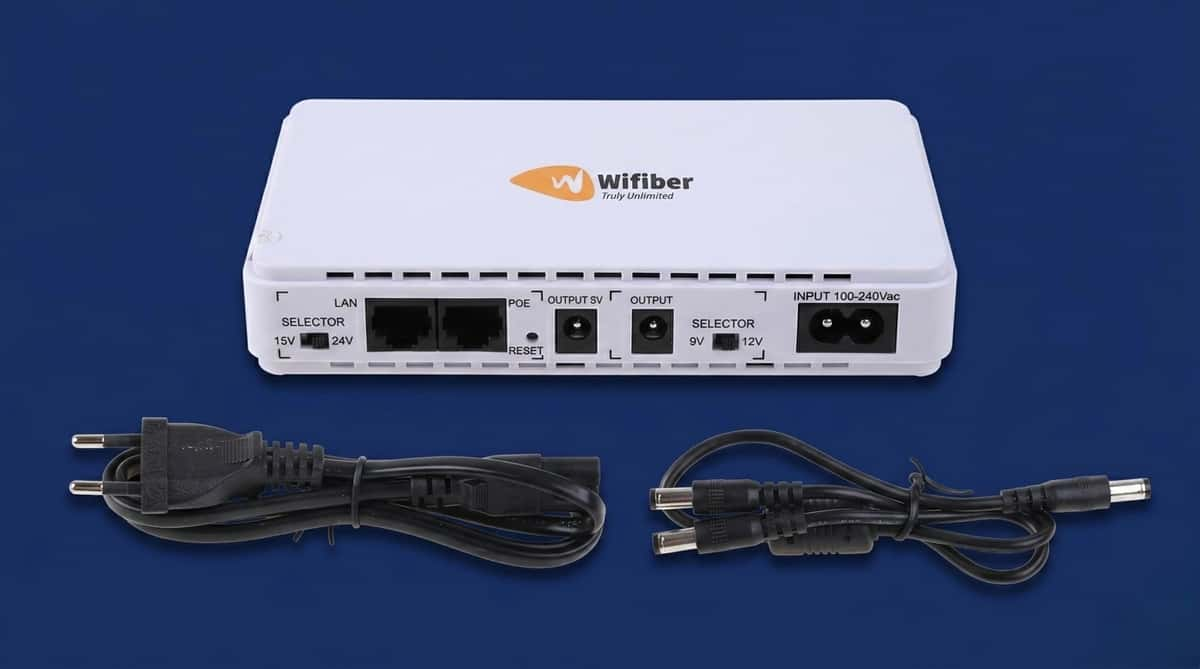
NGCOM — Around ₦15,500
NGCOM is another low-cost option. Its FiberMax Liteplus plan was listed at approximately ₦15,500 for 20 Mbps unlimited internet. Its reported coverage includes locations such as Lagos, Abuja and Port Harcourt.
For someone who mainly needs internet for:
WhatsApp
Browsing
Zoom
YouTube
Online classes
Remote work
20 Mbps can be sufficient for a small household. However, if several people are simultaneously streaming or downloading large files, you may want something faster.
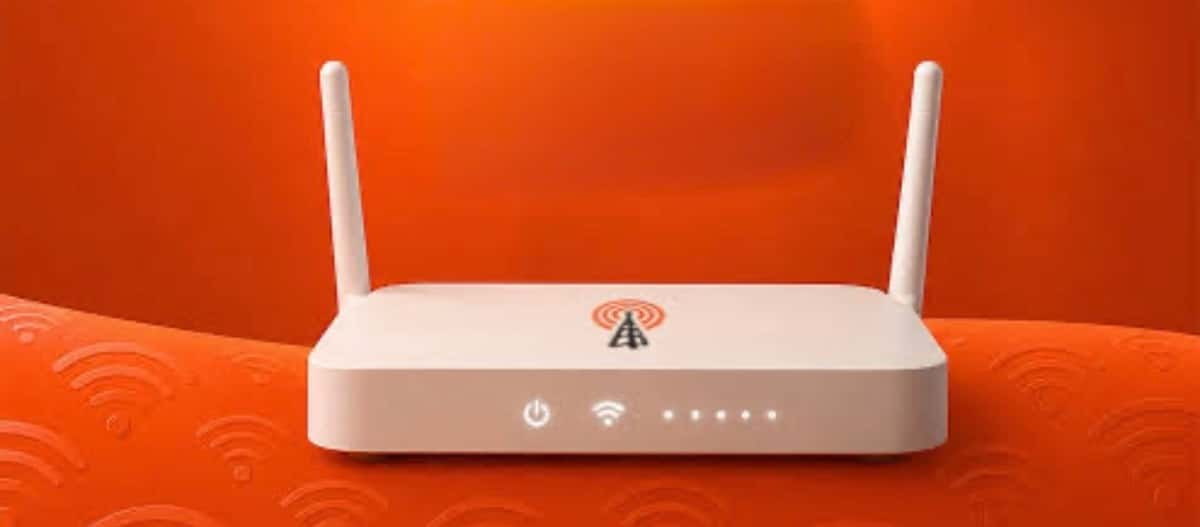
PNX — Around ₦15,500
iPNX is another fibre provider worth checking. Its lower-priced unlimited offering was reported at approximately ₦15,500 for up to 15 Mbps. The speed is lower than Wifiber and Airtel's entry unlimited plans, but the monthly price is fair.
This is the type of plan I'd consider for someone who wants basic unlimited home internet without spending ₦25,000–₦30,000 every month.
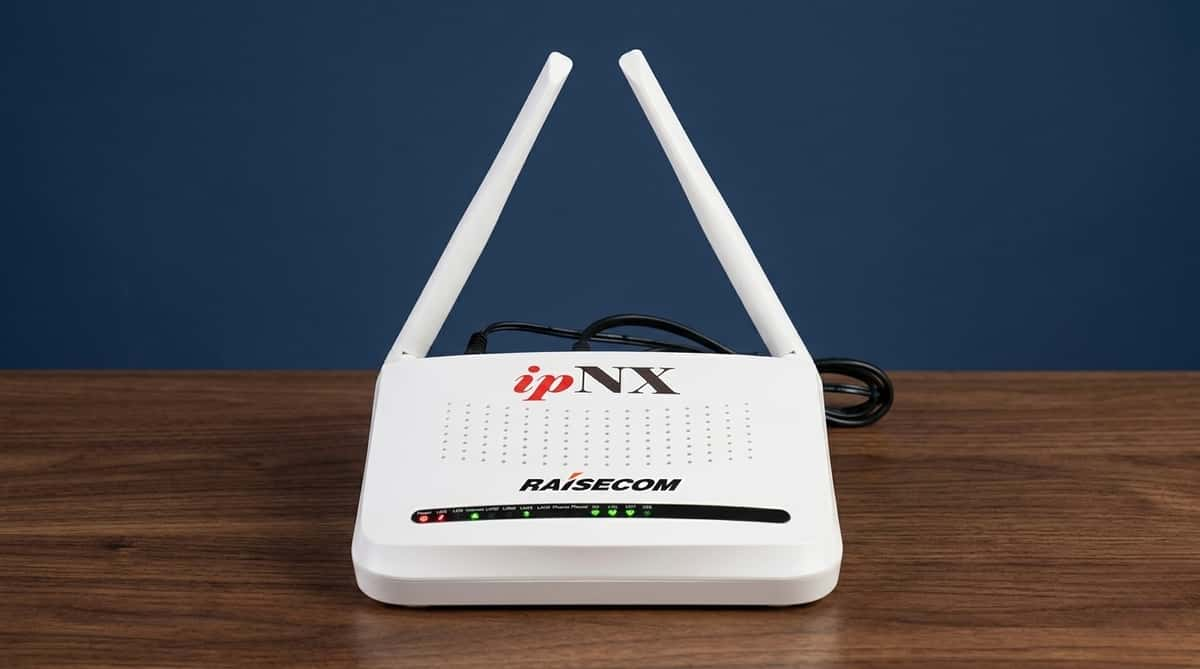
Fibre or 5G ODU: which installation type makes more sense?
Fibre and fixed wireless solve different problems. Fibre requires a physical connection to your premises. Once installed, it avoids the last-mile wireless signal fluctuations associated with mobile broadband, although service quality still depends on the provider's network and equipment.
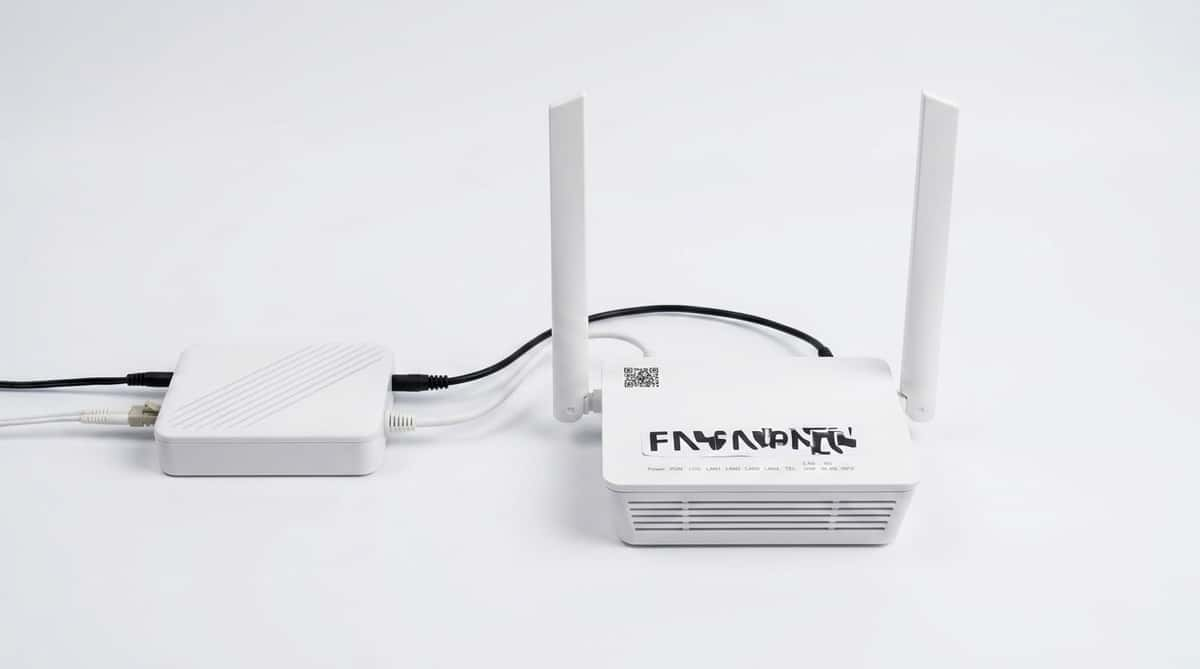
A 5G outdoor unit, or ODU, uses a receiver mounted outside the building to obtain a mobile-network signal. The connection is then distributed indoors through a router.
Airtel 5G ODU: a practical alternative where fibre is unavailable
Airtel's Unlimited 50 plan is at ₦25,000 for 30 days, with speeds of up to 50 Mbps. The higher-speed Unlimited 100 plan costs ₦45,000 for up to 100 Mbps.
Airtel has advertised the ODU and installation as part of its offer, subject to the applicable terms. In our separate Airtel 5G ODU review, we describe our experience with the connection, including responsive everyday performance and a slowdown observed near the end of some subscription periods. We could not establish the cause, so it should not be interpreted as proof of deliberate throttling.
The critical buying step is to check Airtel's coverage at your actual address before arranging installation.
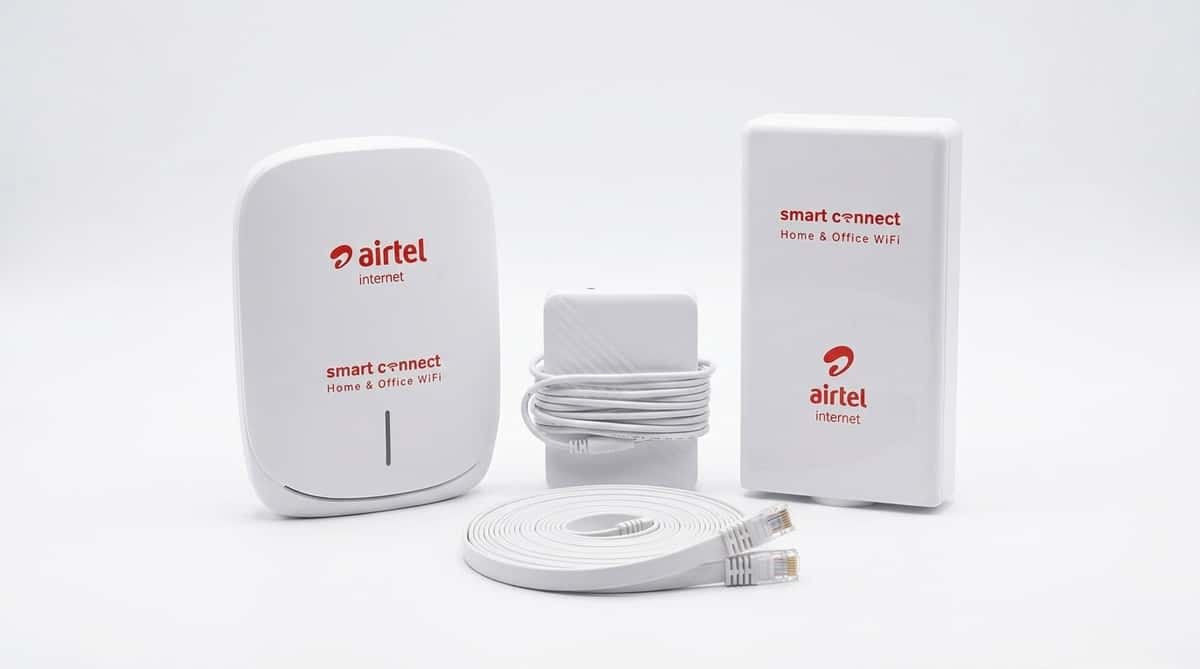
Why Airtel is interesting
You don't need fibre cables running to your house. The ODU connects through Airtel's 5G network, making it potentially useful for homes where fibre broadband isn't available. At ₦25,000, you're getting up to 50 Mbps unlimited internet. That's considerably more attractive than spending ₦25,000 every month on ordinary capped mobile data.
Best suited to: Remote workers, families and small offices that need substantial monthly data but cannot get fibre installed.
MTN FibreX: worth the extra ₦5,000?
MTN FibreX Basic costs ₦30,000 for 50 Mbps over 30 days. Higher tiers include 100 Mbps at ₦45,000, 200 Mbps at ₦70,000, 300 Mbps at ₦100,000 and 1 Gbps at ₦200,000. MTN advertises free installation, a free-to-use router and dedicated customer support, subject to its terms. Crucially, MTN says its FibreX plans have no fair usage policy and are not throttled during peak hours.
Compared with Airtel's ₦25,000 plan, FibreX costs ₦5,000 more monthly for the same advertised entry speed. That is ₦60,000 more over a year, assuming both prices remain unchanged.
Whether the extra cost is justified depends on the value of a fibre connection at your address, not the technology label alone.
Best suited to: Heavy home internet users, developers, remote professionals and households that depend on consistent connectivity for work and entertainment.
And Starlink
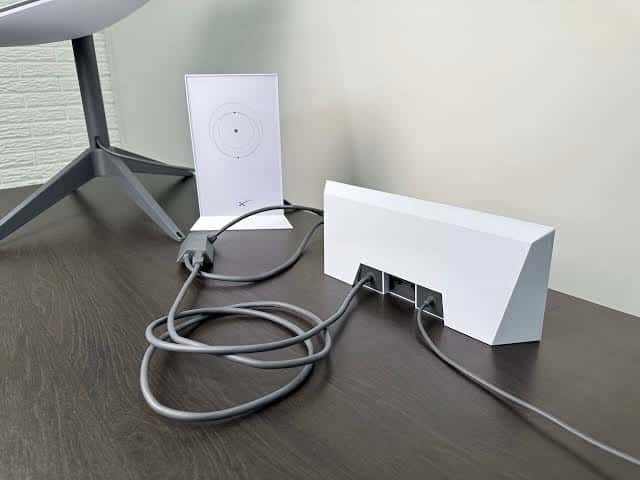
Starlink is different from the other options because it doesn't depend on local fibre or mobile towers. But it isn't the cheapest. Starlink's Nigerian residential service currently starts at ₦57,000 per month. Starlink describes the residential service as unlimited, although actual speeds can vary with network congestion.
There's also the initial hardware cost to consider. So I wouldn't recommend Starlink simply because you want cheap unlimited internet.
I'd consider it when:
Fibre isn't available
5G coverage is poor
You live outside major cities
You need internet in a remote location
Local ISPs are unreliable
Calculate the real first-year cost
A good comparison should include more than the subscription.
Your first-year cost is: Equipment + installation + 12 months of subscriptions + power backup + any required accessories.
Consider the difference between these two scenarios:
Wifiber: The monthly price is low, but you need to include its one-off setup fee.
MTN FibreX: MTN advertises free installation and a free-to-use router, reducing the initial equipment burden if your address qualifies.
Airtel 5G ODU: The current offer advertises the ODU and installation, subject to terms. Confirm ownership and any minimum subscription obligations.
Starlink: The Nigerian residential page lists service from ₦57,000 monthly and hardware starting at ₦318,000 in selected areas.
At ₦57,000 per month, Starlink's subscription alone totals ₦684,000 over 12 months. Add the advertised starting hardware cost of ₦318,000 and the first-year total becomes at least ₦1,002,000, before accessories, installation arrangements or power backup.
That is why Starlink should not be the default recommendation for someone whose only objective is to reduce internet spending.
Which home internet option suits whom?
Buyer profile | Best starting point | Why |
|---|---|---|
Lowest monthly subscription | Wifiber, if available | Low reported price and uncapped fibre |
Budget household comparing local ISPs | NGCOM or iPNX | Competitive entry-level plans |
No fibre at the address | Airtel 5G ODU | Fixed wireless with speeds up to 50 Mbps |
Heavy internet user with fibre access | MTN FibreX | Higher-speed tiers and an explicit no-FUP |
Rural or underserved location | Starlink | Satellite access where terrestrial options are unsuitable |
Internet during power outages | Any of the above with suitable backup | Reliability depends on both network and power availability |
Final verdict: choose the connection that works at your address
There is no single cheapest internet provider for every Nigerian home. Wifiber, NGCOM and iPNX deserve attention if you want to keep monthly spending low and a suitable local connection is available. Airtel's 5G ODU is a useful alternative when fibre is unavailable, while MTN FibreX makes a stronger case for households that need higher speeds and unrestricted usage under the provider's stated policy.
Starlink occupies a different category. Its upfront hardware cost and higher monthly subscription are difficult to justify for a budget-conscious household with good fibre or 5G coverage, but satellite connectivity can be valuable where conventional networks fall short.
Before subscribing, do three things: confirm coverage at your address, request the complete installation cost and get the fair usage terms in writing. Then compare the total first-year cost, including backup power if you need to remain online during outages.
A cheap plan that cannot reliably serve your building is not a bargain. The right home internet connection is the one that fits your location, usage and budget without expensive surprises.
Read more: MTN FlyX ODU Review: Price, Speed, Coverage and Installation in Nigeria
Read more: Spectranet Unlimited Data Review: Price, Speed, Installation & Coverage
Read more: FibreOne Broadband Review in Nigeria: Price, Speed, Lagos Coverage and Installation Guide
Read more: Glo Unlimited Router Review: Price, Speed, Coverage & Installation
Read more: MTN FibreX vs Airtel 5G ODU: Which Home Internet Is Better in Nigeria?
Read more: MTN FlyX vs Airtel ODU: Which 5G Internet Is Better?

Author
Dolapo AnifowosheTech enthusiast and technical data scientist who loves to play with numbers. Explore author & articles





