

Redmi A7 vs Redmi A7 Pro: Budget Xiaomi Phones in Nigeria?
Redmi A7 or Redmi A7 Pro? Compare the specifications, display, battery, camera, performance and Nigerian prices to find the better budget Xiaomi phone.

Redmi A7 or Redmi A7 Pro: Which One Is Worth Your Money?
If you're shopping for an affordable smartphone in Nigeria, the Redmi A7 and Redmi A7 Pro are two phones worth considering. Both are designed around the same idea: give buyers a large display, long battery life, modern software and essential smartphone features without pushing the price too high. However, the Redmi A7 Pro is the more capable phone. It has a larger 6.9-inch display, a bigger 6,000mAh battery, faster UFS 2.2 storage, HyperOS 3, additional AI features and up to 128GB storage.
The standard Redmi A7, meanwhile, is aimed at buyers who simply want a basic smartphone for WhatsApp, calls, social media, YouTube, browsing and everyday use at the lowest possible price. Current Nigerian listings put the Redmi A7 at around ₦120,600 for 3GB RAM + 64GB storage, while the Redmi A7 Pro currently starts around ₦131,200–₦150,000 for 4GB + 64GB, with 128GB versions generally around ₦145,000–₦170,000 depending on the seller.
Redmi A7 vs Redmi A7 Pro Specifications
Feature | Redmi A7 | Redmi A7 Pro |
|---|---|---|
Display | 6.88-inch LCD | 6.9-inch LCD |
Resolution | 1640 × 720 | 1600 × 720 |
Refresh rate | Up to 120Hz | Up to 120Hz |
Brightness | 450 nits | 650 nits / 800 nits HBM |
Processor | Unisoc T7250 | Unisoc T7250 |
RAM | 3GB | 4GB |
Storage | 64GB eMMC 5.1 | 64GB/128GB UFS 2.2 |
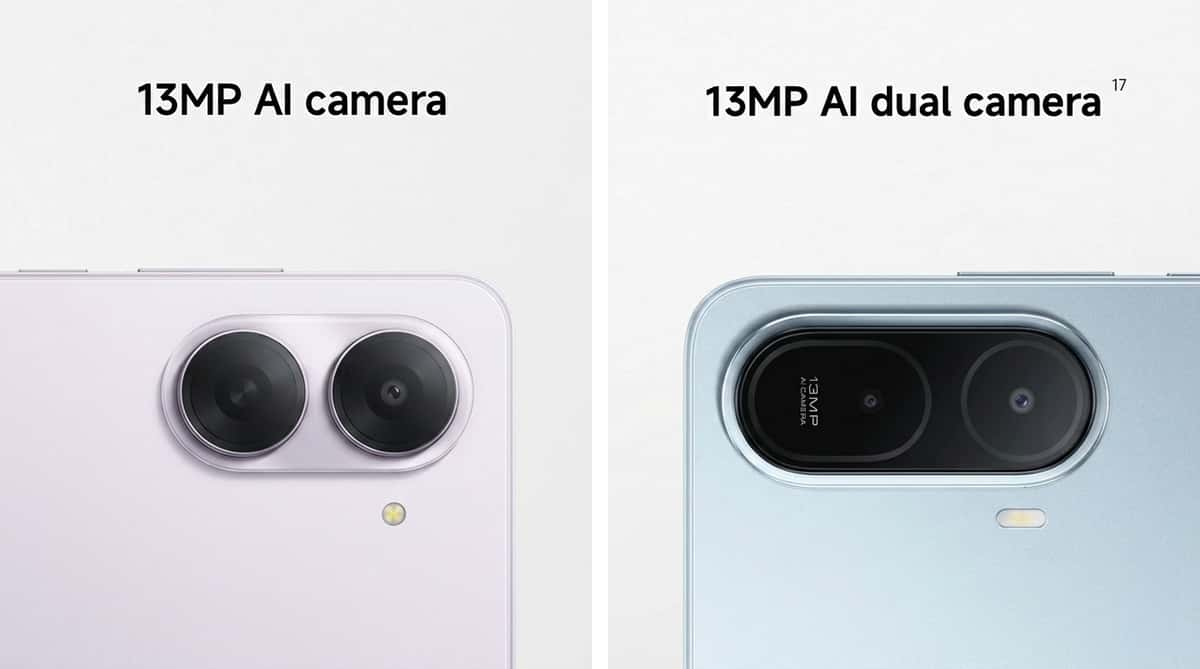
Rear camera | 13MP | 13MP dual camera |
Front camera | 8MP | 8MP |
Battery | 5,200mAh | 6,000mAh |
Charging | 15W | 15W |
Software | Android 15 Go Edition | HyperOS 3 |
Fingerprint | Side-mounted | Side-mounted |
Headphone jack | Yes | Yes |
AI features | — | Gemini, Circle to Search, AI Sky |
Best for | Basic everyday use | Better all-round experience |
Redmi A7: The Cheaper Option
The Redmi A7 is the phone to consider if your budget is tight. It comes with a 6.88-inch LCD display supporting up to a 120Hz adaptive refresh rate. That is particularly useful at this price because scrolling through WhatsApp, Facebook, TikTok and websites should look noticeably smoother than on a traditional 60Hz display.
The display also has TÜV Rheinland certifications for low blue light, flicker-free operation and circadian-friendly viewing, which Xiaomi says are intended to make extended viewing more comfortable.
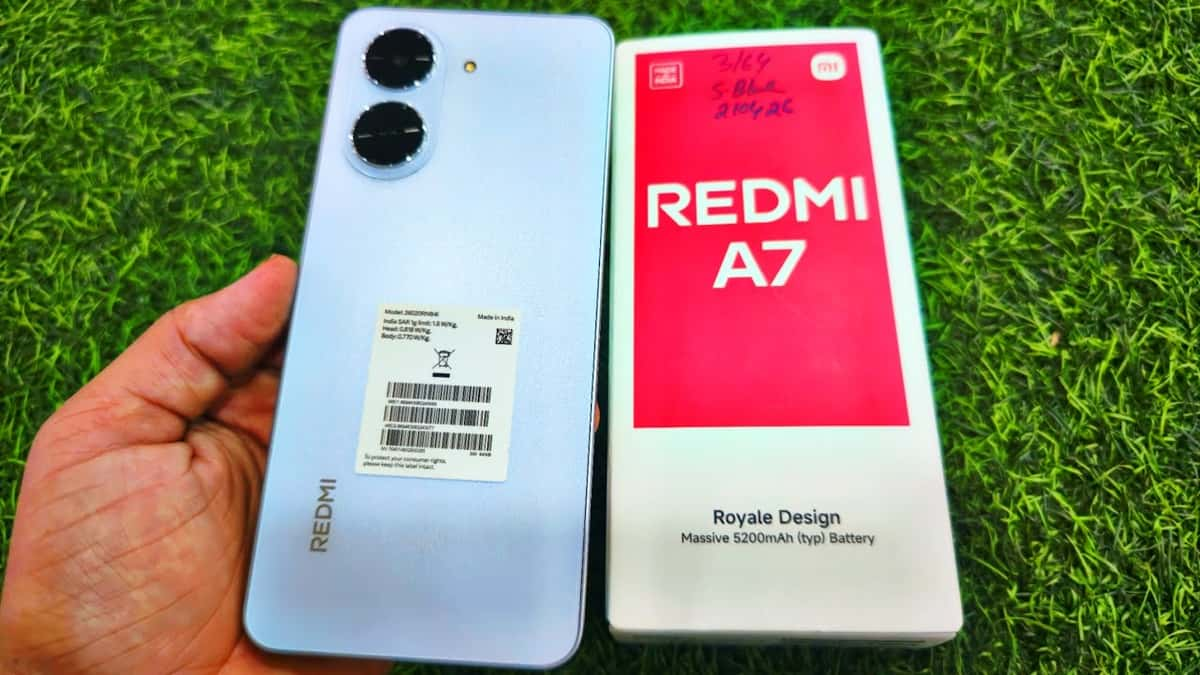
Performance comes from the Unisoc T7250, an octa-core chip with two Cortex-A75 cores running at up to 1.8GHz alongside six Cortex-A55 cores. The Nigerian specification lists 3GB RAM and 64GB eMMC 5.1 storage, with virtual memory expansion available. This isn't a gaming phone. It is better suited to everyday tasks such as:
WhatsApp
Facebook
YouTube
TikTok
Web browsing
Calls
Online banking
Light photography
The biggest advantage is that you don't have to spend much to get a modern-looking phone with a large screen and a sizeable battery.
Redmi A7 Pro: The Better Buy
The Redmi A7 Pro is where the extra money starts making more sense. The display increases slightly to 6.9 inches, but the bigger improvement is brightness. Xiaomi lists 650 nits typical brightness and up to 800 nits in High Brightness Mode, making the Pro better suited to outdoor use in Nigeria. The battery also increases from 5,200mAh to 6,000mAh.
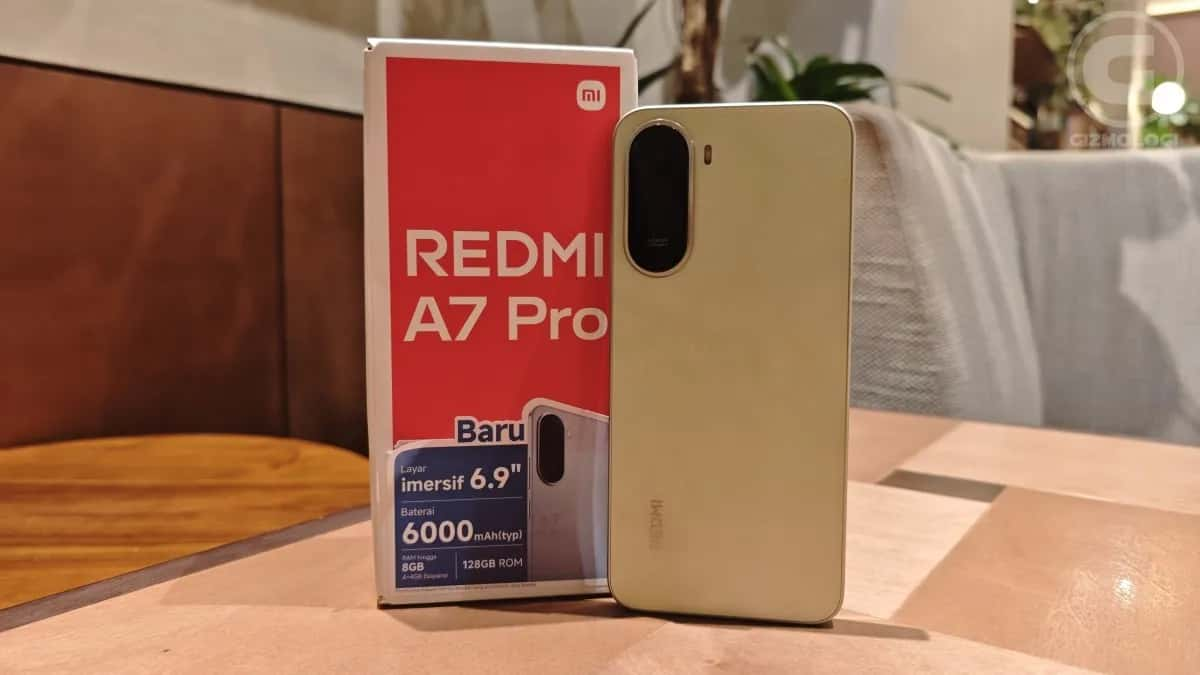
Xiaomi's testing claims up to 35 hours of video playback, 49 hours of calls and 77 hours of music playback under its respective test conditions. Real-world battery life will obviously depend on network signal, brightness, applications and usage.
For someone who spends a lot of time away from a charger, this is one of the strongest reasons to choose the Pro.
The Biggest Performance Difference Is Storage
Both phones use the same Unisoc T7250 processor, so don't expect the Redmi A7 Pro to suddenly become a gaming powerhouse. However, the Pro has an important storage advantage.
The Redmi A7 uses eMMC 5.1, while the Pro uses faster UFS 2.2 storage. In everyday use, this can contribute to quicker app loading and a more responsive feeling when moving between applications.
The Pro also starts with 4GB RAM, compared with 3GB on the A7, and supports memory expansion up to 8GB using virtual RAM. That makes the Pro the better choice if you intend to keep the phone for several years.
Redmi A7 Pro Adds Useful AI Features
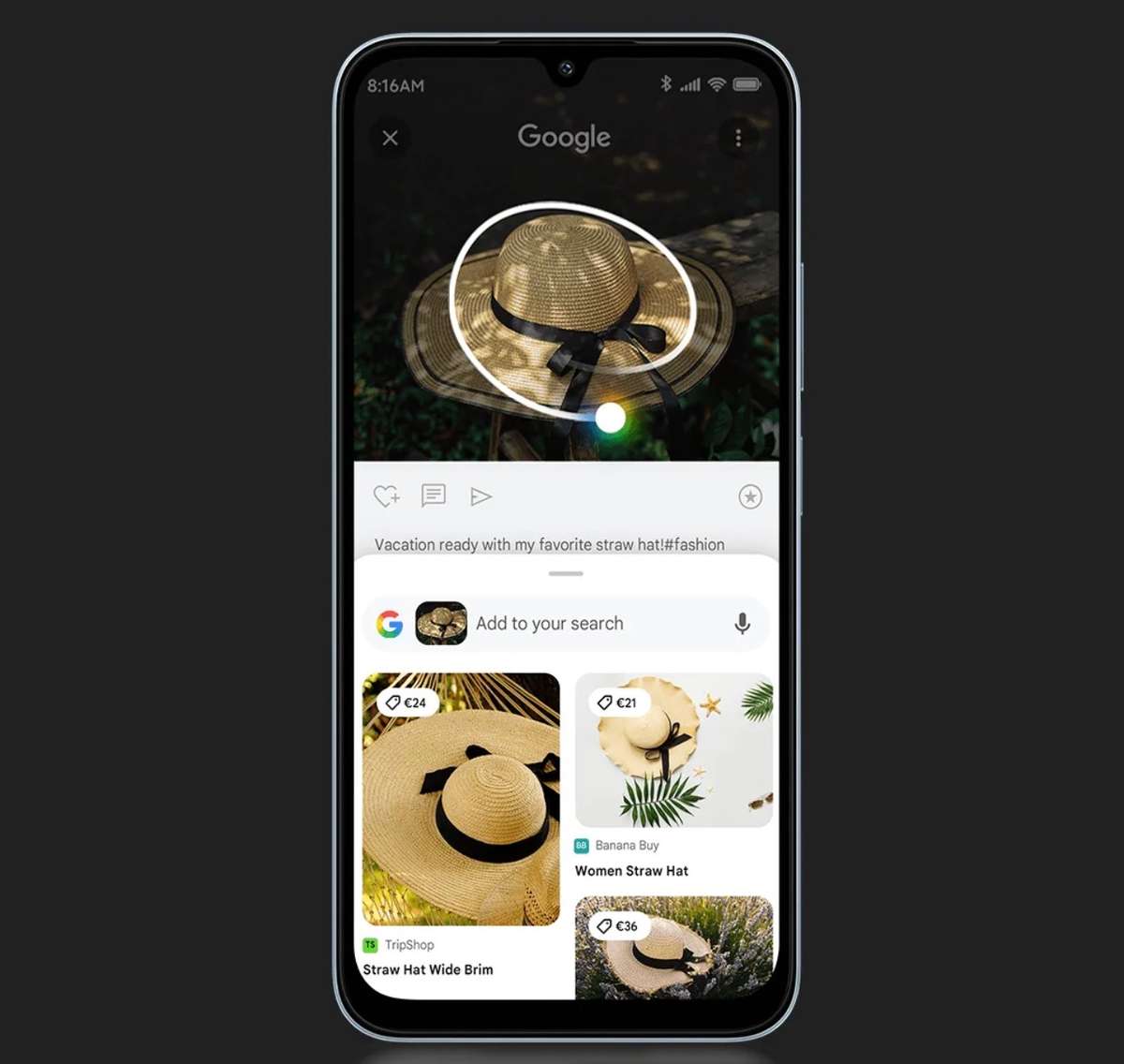
Another reason to consider the Pro is its newer software experience. Xiaomi lists Google Gemini, Circle to Search and AI Sky among the phone's AI features. Circle to Search can be particularly useful for quickly searching information about something displayed on your screen, while Gemini provides access to Google's AI assistant.
The Redmi A7, by comparison, ships with Android 15 Go Edition in the Nigerian specification. That makes the Pro feel considerably more like a modern smartphone rather than simply an inexpensive entry-level device.
Redmi A7 vs A7 Pro: Nigerian Price
Price is where the decision becomes interesting. The Redmi A7 is currently listed on Jumia Nigeria at approximately ₦120,600 for the 3GB/64GB model. The Redmi A7 Pro is more expensive, but prices vary considerably between sellers.
Current listings show:
Model | Approx. Nigerian price |
|---|---|
Redmi A7 3GB/64GB | ₦120,600 |
Redmi A7 Pro 4GB/64GB | ₦131,000–₦150,000 |
Redmi A7 Pro 4GB/128GB | ₦145,000–₦170,000 |
Prices can change quickly, so treat these as current market indications rather than fixed retail prices.
Which Redmi Should You Buy?
Buy the Redmi A7 if:
You simply need an affordable smartphone for WhatsApp, calls, social media, YouTube, browsing and basic photography. At around ₦120,000, it is difficult to complain about getting a 120Hz display and 5,200mAh battery at this price.
Buy the Redmi A7 Pro if:
You can stretch your budget by another ₦15,000–₦30,000. The larger battery, brighter display, 4GB RAM, UFS 2.2 storage, HyperOS 3 and AI features make the Pro a considerably better long-term purchase.
I'd particularly recommend the 4GB/128GB version if the price difference is reasonable.
Final Verdict
The Redmi A7 is the budget champion, but the Redmi A7 Pro is the phone I'd recommend to most Nigerian buyers. The standard A7 makes sense when every naira matters. It gives you the essentials without unnecessary extras. But if you can afford the additional money, the Redmi A7 Pro offers substantially better value. Its 6,000mAh battery, brighter 120Hz display, faster UFS 2.2 storage, 4GB RAM, HyperOS 3 and Google AI features make it a more complete smartphone.
Our pick: Redmi A7 Pro 4GB/128GB.
At roughly ₦145,000–₦170,000, it sits in a very competitive part of Nigeria's budget-phone market and gives buyers considerably more room to grow than the basic Redmi A7.
If your budget is strictly around ₦120,000, however, the Redmi A7 remains a sensible choice.
Read more: Redmi 17 vs Tecno Pova 6 Neo: Which 7,000mAh+ Battery Phone Should You Buy?
Read more: Redmi Note 15 Review: Great Battery and AMOLED Display, But Should You Buy the 4G Model?
Read more: Tecno POP 20 Review: A ₦160,000 Budget Phone With a 120Hz Display and 5,000mAh Battery
Read more: itel A100C vs A100 vs City 100: Which itel Phone Should Nigerians Buy

Author
Dolapo AnifowosheTech enthusiast and technical data scientist who loves to play with numbers. Explore author & articles





