

Xiaomi Redmi 17 4G Review: A 7,500mAh Battery, Big Screen and One Major Compromise
Our Xiaomi Redmi 17 4G review examines its 7,500mAh battery, 120Hz display, Helio G91-Ultra performance, cameras, limitations and price.
Introduction
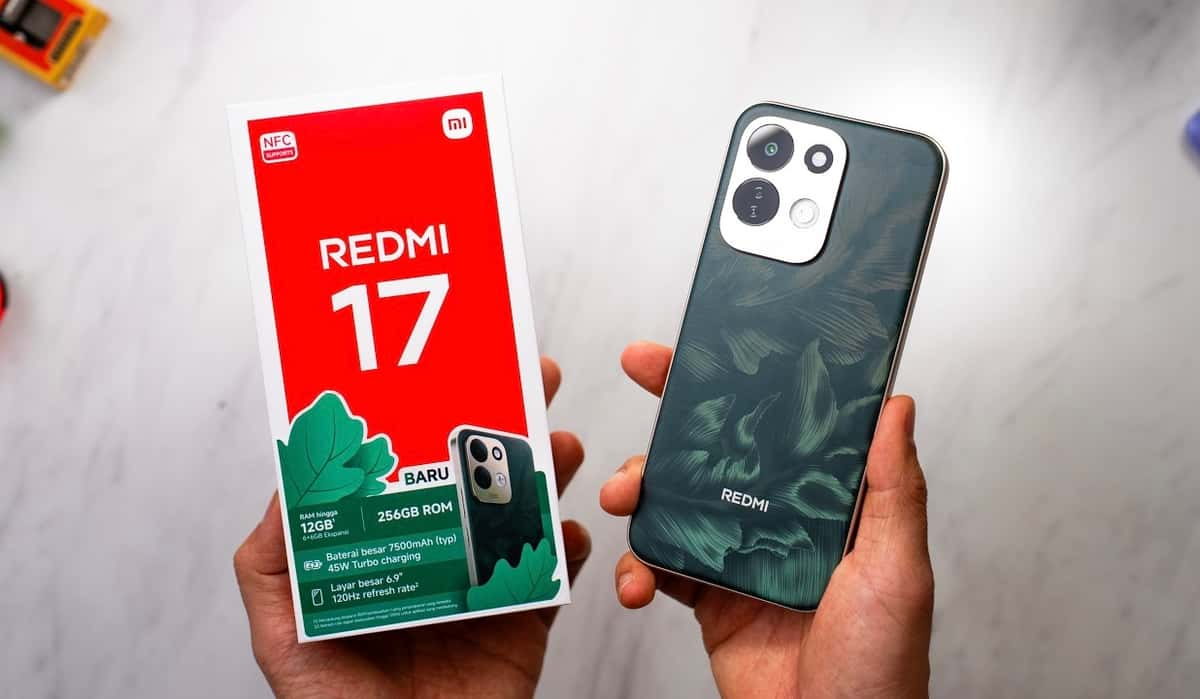
A large battery and a big display can make an affordable smartphone attractive, but they do not automatically make it a good buy. The Xiaomi Redmi 17 4G illustrates that trade-off rather well. It combines a 7,500mAh battery, a 6.9-inch screen with a 120Hz refresh rate and 45W charging, while keeping its processing hardware and camera system relatively modest.
The phone arrived in international markets in August 2026, with Xiaomi positioning it as an everyday smartphone for users who prioritise endurance and entertainment over flagship performance. According to Xiaomi, it uses a MediaTek Helio G91-Ultra processor and supports expandable storage. The most important question is whether the Redmi 17's practical strengths compensate for its display resolution, 4G-only connectivity and entry-level performance.
Xiaomi Redmi 17 4G specifications at a glance
Specification | Xiaomi Redmi 17 4G |
|---|---|
Display | 6.9-inch IPS LCD |
Resolution | 1600 × 720 pixels (HD+) |
Refresh rate | Up to 120Hz |
Processor | MediaTek Helio G91-Ultra, 12nm |
RAM | 6GB |
Storage | 128GB eMMC 5.1 |
Expandable storage | Up to 2TB via microSD |
Rear camera | 50MP main camera |
Front camera | 8MP |
Battery | 7,500mAh |
Charging | 45W wired; up to 22.5W reverse charging |
Software | Xiaomi HyperOS 3 |
Connectivity | 4G LTE, Wi-Fi, Bluetooth 5.4 |
Durability | IP64 dust and splash resistance |
Weight | 232g |
International price reference | From €219 in Germany for 4GB/128GB |
Nigerian price | ₦271,700 for 6GB/128GB |
Design and display: big, but not especially sharp
The Redmi 17 is a substantial phone. Its 170.12mm height, 78.42mm width and 232g weight mean it is better suited to two-handed use than to anyone looking for a compact handset. The 6.9-inch display gives users plenty of room for reading, watching videos, browsing websites and using split-screen applications where supported. The 120Hz refresh rate should also make scrolling and supported animations look smoother than on a conventional 60Hz panel.
However, the resolution is only 1600 × 720 pixels. Spread across a screen this large, that is a noticeable compromise. Text and fine details will not look as crisp as they would on a Full HD+ display, particularly when reading small text or viewing high-resolution photographs.
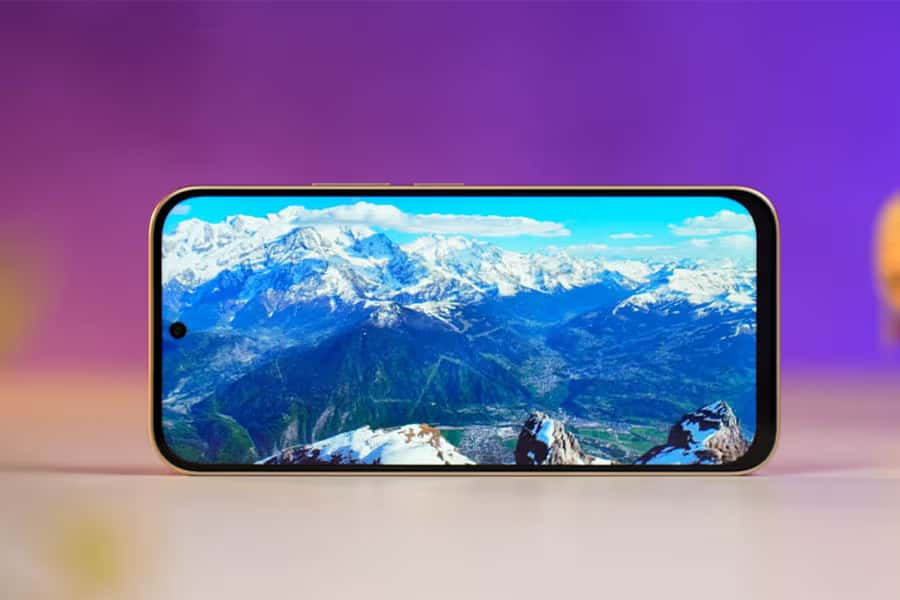
Xiaomi includes Corning Gorilla Glass 7i protection, alongside reading and eye-comfort features. The display is serviceable for everyday entertainment, but buyers who consume a lot of high-resolution video may prefer a sharper panel.
Battery life: the Redmi 17's strongest selling point
The 7,500mAh battery is the clearest reason to consider this phone. It provides a larger energy reserve than the 5,000mAh batteries found in many mainstream smartphones. It has up to 28 hours of video playback under its internal testing conditions. The real-world endurance will depend on brightness, signal strength, applications and usage patterns.
The phone supports 45W Turbo Charging. Testing can deliver a full charge in approximately 96 minutes under specified conditions. That is a reasonable charging rate for such a large battery, although it is not exceptionally fast by current standards. There is also wired reverse charging of up to 22.5W, allowing the Redmi 17 to supply power to compatible accessories or another phone.
The downside is its size and weight. Anyone buying a phone primarily for one-handed use may find the battery advantage comes at the expense of comfort.
Performance: everyday tasks first, demanding games second
The MediaTek Helio G91-Ultra is an entry-level processor built on a 12nm process. Paired with 6GB of RAM and 128GB of eMMC 5.1 storage, it is intended for routine smartphone tasks rather than intensive workloads.
Messaging, web browsing, social media, video playback and light productivity should be the phone's natural territory. Casual games are also reasonable use cases, although performance will depend on the game's requirements and graphics settings.
The limitations become clearer with demanding games, heavy multitasking and applications that move large files. The older eMMC storage standard is slower than the UFS storage used in many more performance-oriented phones, while the processor is not designed to compete with mid-range gaming chipsets.
The 128GB capacity is expandable by microSD, which is useful for storing photographs, videos and offline media. The hybrid SIM arrangement means buyers should check how the second SIM and memory card can be used together.
Cameras: straightforward photography
The rear camera system centres on a 50MP main sensor, supported by an auxiliary lens. At the front is an 8MP selfie camera.
The main camera should cover everyday photographs, document capture and casual social media uploads. It also has features such as HDR, Night Mode, Portrait Mode and FilmCamera effects.
However, a 50MP camera does not guarantee flagship-level image quality. The phone lacks a dedicated telephoto camera, and there is no substantial secondary camera system for specialised photography. Rear and front video recording are limited to 1080p at 30fps.
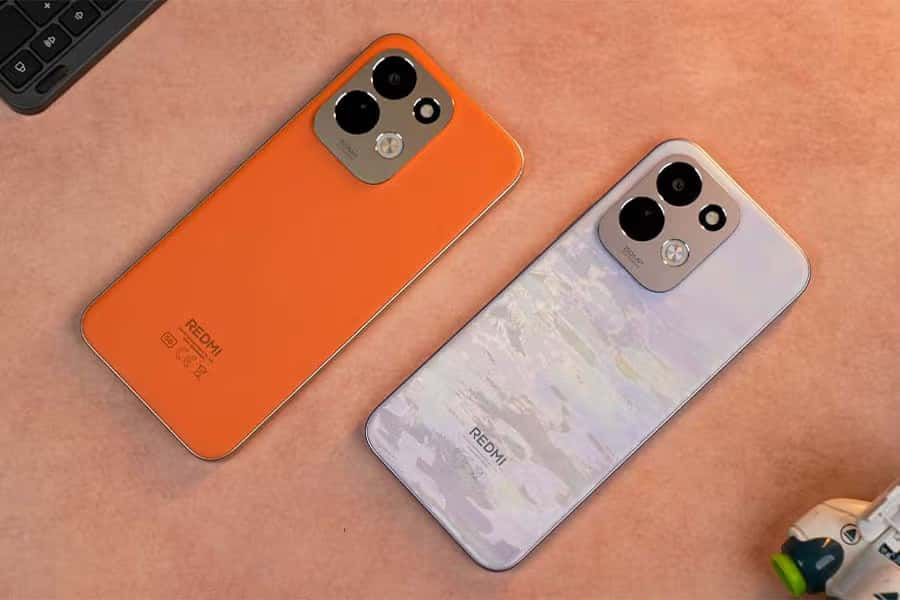
For occasional photographs in good lighting, the setup is practical. Buyers who frequently shoot concerts, moving subjects, low-light scenes or detailed video should look at phones with stronger camera hardware and processing.
Software, connectivity and durability
The Redmi 17 runs Xiaomi HyperOS 3 and includes a side-mounted fingerprint scanner, a 3.5mm headphone jack, Bluetooth 5.4 and IP64-rated dust and splash resistance.
The headphone jack remains useful for people who prefer wired earphones, while the IP64 rating provides protection against dust and water splashes under controlled laboratory conditions. It is not a waterproof rating, so the phone should not be submerged.
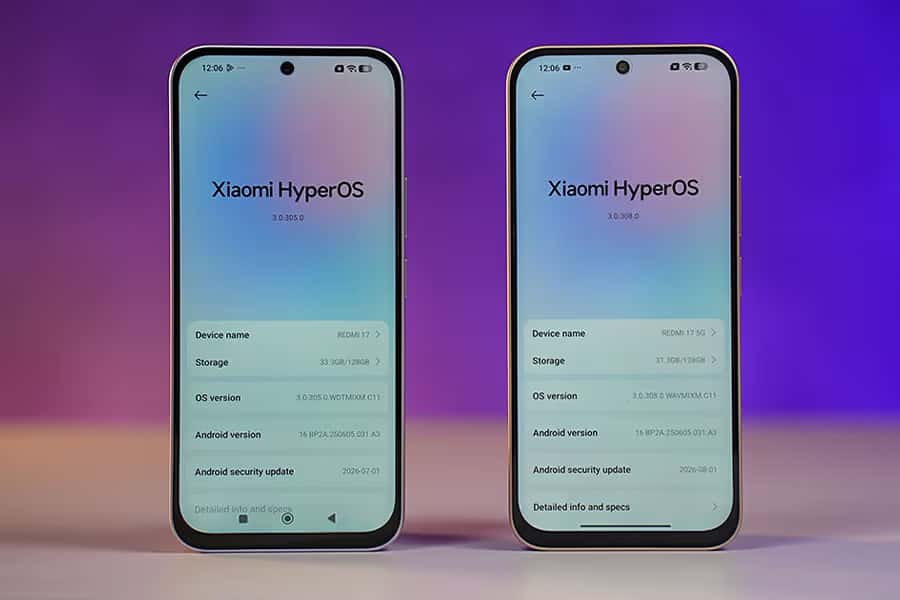
The biggest connectivity limitation is its lack of 5G. The Redmi 17 4G is restricted to 4G LTE networks, even where 5G service is available. Buyers who want to keep their phone for several years should weigh that limitation against the possibility of upgrading to a 5G smartphone.
Xiaomi Redmi 17 price in Nigeria
SLOT Nigeria has the Redmi 17 with 6GB RAM and 128GB storage at ₦271,700. That is the relevant price reference for the configuration covered in this review, rather than the cheaper 4GB model available in some markets. At this price, the large battery and expandable storage are attractive. The HD+ display, entry-level processor and 4G-only connectivity, however, make the overall value less straightforward.
Before buying, compare the Redmi 17 with other phones around the same budget, especially models offering Full HD+ screens, 5G connectivity or more capable processors. Check the current selling price and warranty terms, as Nigerian retail prices can change.
Verdict
The Xiaomi Redmi 17 4G makes a clear set of compromises. Its 7,500mAh battery, 120Hz display, 45W charging and expandable storage are useful features for anyone who needs a phone for long days of messaging, browsing and video playback. But the display resolution is low for a 6.9-inch panel, the Helio G91-Ultra is modest, the camera system is basic and there is no 5G support.
At ₦271,700, we would recommend it primarily to buyers who value battery capacity above everything else. If screen sharpness, gaming performance or faster mobile connectivity matters more, comparing alternatives before spending the money is the wiser move.
Read more: Tecno POP 20 Review: A ₦160,000 Budget Phone With a 120Hz Display and 5,000mAh Battery
Read more: Redmi Note 15 Review: Price, Battery, AMOLED and the 4G Trade-Off
Read more: OPPO Reno15 F 5G Review: Big Battery, AMOLED Display and 80W Charging

Author
Adebayo JohnsonSenior tech editor with over 4 years of experience covering mobile and gadget technology. Explore author & articles





