itel Power Tank Review: Price, Specs & What It Can Power
itel Power Tank IESS-05K10N buying guide covering Nigeria price, 1000Wh LiFePO4 battery, 500W output, solar charging, runtime, best uses and limitations.

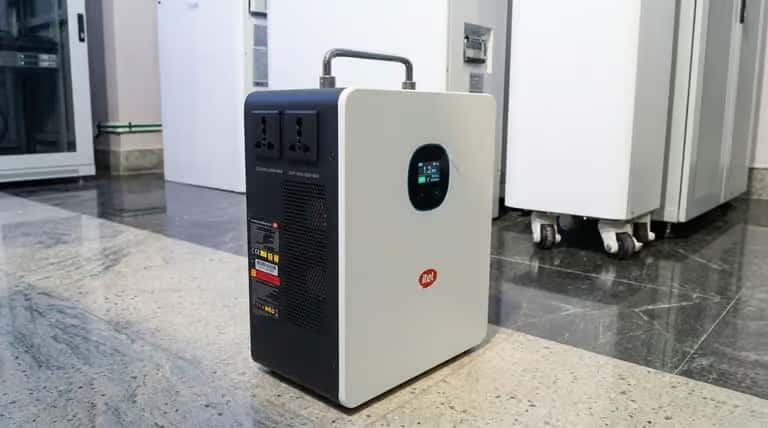
The itel Power Tank IESS-05K10N is an interesting alternative for anyone who needs backup electricity for basic electronics without installing a large inverter system or constantly running a generator.
It combines a 1,000Wh (1kWh) LiFePO₄ battery, 500W pure sine-wave inverter and built-in MPPT solar controller into a relatively compact all-in-one unit. Add a solar panel and you can recharge it from sunlight during the day before using the stored energy for your laptop, television, fan, router, lights and other low-power appliances.
The biggest attraction, however, may be price. The Power Tank itself is currently listed at ₦292,600, while a package including itel's 410W solar panel costs ₦437,000 on the supplied itel Solar store. That puts it well below many premium portable power stations with similar battery capacities. But there's an important limitation: the battery may store 1,000Wh, but the inverter can continuously output only 500W.
Understanding that distinction is essential before buying.
itel Power Tank Price and Specifications
Specification | itel Power Tank IESS-05K10N |
|---|---|
Power Tank Price | ₦292,600 |
Power Tank + 410W Solar Panel | ₦437,000 |
Regular Bundle Price | ₦460,000 |
Battery Capacity | 1,000Wh / 1kWh |
Battery Chemistry | LiFePO₄ |
Rated AC Output | 500W |
Maximum Apparent Output | 600VA |
Surge Power | 600VA |
AC Output Voltage | 230V |
Solar Input | Up to 400W |
Solar Input Voltage | Up to 60V |
MPPT Range | 11–60V |
MPPT Efficiency | 99% |
Battery Conversion Efficiency | Up to 88% |
AC Input Range | 90–280VAC |
Transfer Time | <20ms |
Battery Cycle Rating | 6,000 cycles |
Cooling | Intelligent fan |
Noise | <45dB at 1m |
Dimensions | 225 × 139 × 280mm |
Display | LED state-of-charge indicator |
Solar Panel in Bundle | itel 410W monocrystalline panel |
Panel Efficiency | 20.97% |
Installation | Not included |
What Can the itel Power Tank Actually Power?
This is the question that matters more than almost anything else. The Power Tank stores 1,000Wh of energy, but its inverter has a 500W nominal output. That makes it suitable for devices such as:
LED lights
Wi-Fi routers
Laptops
Smartphones
Tablets
Standing fans
Televisions
Decoders
Small office electronics
POS terminals
CCTV systems
Some small, efficient refrigerators
Understanding the 1,000Wh Battery
The Power Tank's 1,000Wh capacity tells you roughly how much energy the battery stores. For example, in a perfect theoretical scenario:
A 50W laptop running continuously would require:
1,000Wh ÷ 50W = 20 hours
But you shouldn't expect 20 hours in practice. The inverter itself consumes energy and converting stored DC electricity into AC isn't 100% efficient. The technical specifications list maximum battery-mode conversion efficiency at 88%. So the usable AC energy will be lower than the headline 1,000Wh. This is normal for power stations and inverter systems.
The 500W Limit Is More Important Than It Looks
The biggest thing buyers need to understand is that 1,000Wh does not mean 1,000W output. Capacity and output are different. The Power Tank's battery stores 1,000Wh, but its inverter provides 500W nominal AC output with maximum apparent output of 600VA. That means the combined load of the appliances you're running needs to remain within the inverter's capabilities.
A setup like this could be reasonable:
50W laptop + 70W fan + 60W TV + 10W router + 30W lights = around 220W
That's comfortably below 500W. But something like a 1,500W electric kettle is a completely different situation. The battery may contain enough energy in theory, but the inverter can't provide the wattage required by the kettle.
Appliances You Should Generally Avoid
This Power Tank isn't intended for running an entire home. High-power appliances can easily exceed its 500W inverter limit. Examples include many:
Electric kettles
Pressing irons
Microwave ovens
Electric cookers
Hot plates
Water heaters
Hair dryers
Large refrigerators/freezers
Washing machines
Air conditioners
High-power pumps
It can handle small energy-efficient refrigerators but not heavy compressor types. Refrigerators deserve extra caution because compressors can briefly require considerably more power when starting than during normal operation. Always check an appliance's rated wattage and startup requirements before connecting it.
410W Solar Panel Changes the Experience
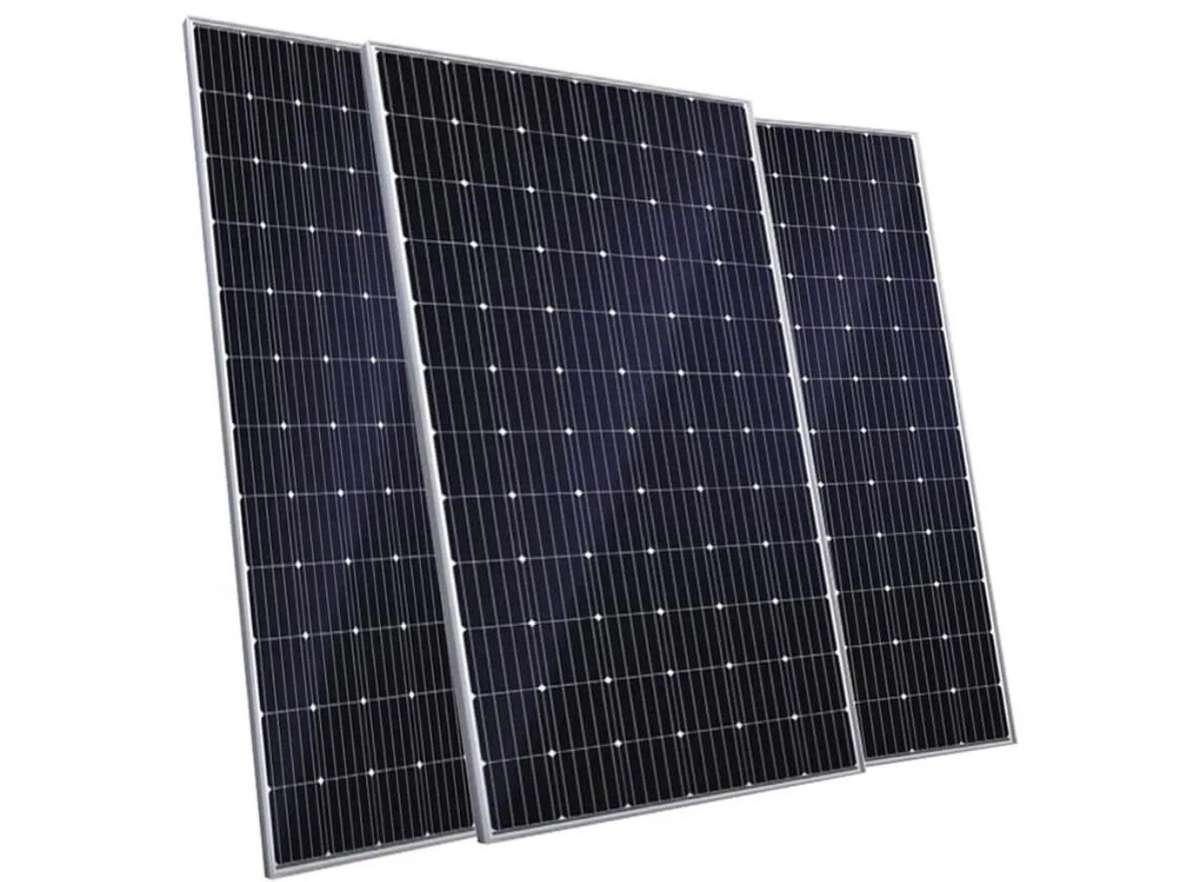
The ₦437,000 bundle becomes much more interesting because it includes a 410W monocrystalline solar panel. The panel is rated at 20.97% efficiency, while the Power Tank itself accepts a maximum of 400W solar input through its MPPT controller. A full recharge in approximately 3–4 hours under strong sunlight using the supplied panel. Real solar charging time will naturally change according to cloud cover, panel orientation, temperature, shading and available sunlight.
But solar changes how you can use the Power Tank. Without solar, you're primarily storing grid electricity for later. With solar, you can replenish the battery during daylight even when grid electricity isn't available. That makes the bundle much more suitable for extended outages.
LiFePO₄ Battery Rated for 6,000 Cycles
Another important feature is the battery chemistry. itel uses a LiFePO₄ battery rated for 6,000 cycles. LiFePO₄ batteries are particularly attractive for backup-power applications because they're designed to tolerate frequent charging and discharging. However, a 6,000-cycle rating shouldn't be interpreted as exactly 6,000 identical full-capacity days of operation. Battery lifespan depends on depth of discharge, temperature, charging behaviour and other operating conditions.
Still, the cycle rating makes this much more suitable for regular backup use than products based on batteries designed primarily for occasional portable charging.
Pure Sine-Wave Output
The Power Tank uses a pure sine-wave inverter. That's important when powering sensitive electronics. A pure sine-wave inverter produces AC electricity designed to resemble conventional grid power more closely than cheaper modified sine-wave inverters. That makes it a better choice for devices such as laptops, TVs, routers and other electronics. The official technical table lists output voltage at 230VAC, 50Hz, with total harmonic distortion below 3% in inverter mode.
Can It Work as a UPS?
The specifications list a switching time below 20 milliseconds. That means the Power Tank can potentially keep compatible electronics operating when grid electricity disappears rather than requiring you to unplug everything and reconnect it manually.
This could be useful for:
Wi-Fi routers
Desktop setups
Monitors
CCTV
POS systems
Small office equipment
However, equipment sensitivity varies. I wouldn't promise uninterrupted operation for every desktop computer, server or medical device solely from the <20ms specification. For ordinary home and office electronics, though, automatic switchover is a valuable feature.
Is the itel Power Tank Good for Students?
Yes. This may actually be one of its strongest use cases. A student's essential electricity needs are usually relatively modest:
Laptop + phone + fan + router + lights
All of those can fit comfortably within the Power Tank's 500W inverter limit when sensible devices are used. The 1kWh battery is also large enough to provide meaningful backup rather than simply charging your phone several times. At ₦292,600 without the panel, however, it remains a substantial purchase. Students living somewhere with occasional outages could buy the standalone unit and recharge it from grid electricity. For areas with prolonged or unpredictable electricity supply, the ₦437,000 solar bundle makes considerably more sense.
Is It Good for a Bachelor or Someone Living Alone?
Yes, provided you understand the 500W limit. For one person living in a room, studio or small apartment, the Power Tank could cover many essentials. You could potentially run a modest combination of a TV, fan, router, lights and laptop, provided their combined wattage remains within the inverter limit. It is also much more convenient indoors than a petrol generator.
There's no combustion engine, petrol storage or exhaust fumes. The intelligent cooling fan is rated below 45dB at one metre under the stated specification. Where it falls short is cooking and other heavy loads. If your expectation is to power a kettle, microwave, pressing iron and air conditioner, this is the wrong class of system.
Is It Good for Remote Workers?
Very much so. A remote worker usually needs reliable electricity for:
Laptop + monitor + router + phone + lighting
That's exactly the kind of low-to-moderate load this system handles well. The <20ms switching specification also adds value when using it as backup during sudden outages. For developers, writers, designers, customer-support workers, online tutors and other people whose income depends on staying connected, the Power Tank could be much more useful than a small conventional power bank. And with the solar panel bundle, you aren't entirely dependent on grid electricity to recharge it.
What About a Small Business?
It depends on the business.
The Power Tank could be excellent for a:
POS shop, small boutique, barbershop, small office, kiosk or retail store where electricity is mainly needed for lighting, phones, laptops, routers, POS terminals and CCTV. The supplied retailer itself describes the solar package as suitable for homes, offices and small shops. But a business operating freezers, large refrigerators, industrial equipment, large printers, air conditioners or electric cooking equipment should look at a substantially larger inverter system.
For business use, the 500W inverter is more likely to become the bottleneck than the 1kWh battery.
Protection and Safety Features
itel includes several electrical protection mechanisms.
The specification sheet lists:
Battery fuse
Grid over-voltage protection
PV over-voltage protection
Overload protection
Short-circuit protection
Over-temperature protection
AC Type III surge protection
The system also uses intelligent fan cooling to regulate operating temperatures That's important for an all-in-one unit containing both the battery and inverter.
Price: Power Tank Alone vs Solar Bundle
There is an important price distinction on the supplied store. The standalone itel 500W/1kWh Power Tank is currently advertised for ₦292,600, reduced from ₦308,000. The Power Tank + 410W itel solar panel costs ₦437,000, reduced from ₦460,000. Interestingly, the same 410W panel is listed separately for ₦130,000 on the store.
That makes it important to compare the exact model, whether a panel is included, warranty and seller reputation rather than comparing prices alone.
Which Package Should You Buy?
User | Recommendation |
|---|---|
Student with reliable grid charging | Power Tank only – ₦292,600 |
Student with frequent long outages | Power Tank + 410W panel |
Bachelor / single person | Solar bundle if budget allows |
Remote worker | Solar bundle recommended |
POS / small shop | Solar bundle recommended |
Small office | Solar bundle, provided total load stays below 500W |
Heavy appliance household | Buy a larger inverter/power station |
AC or electric cooking user | Not recommended |
Pros
Large 1,000Wh battery
Long-life LiFePO₄ chemistry
Rated for 6,000 cycles
Pure sine-wave inverter
Built-in MPPT solar controller
Up to 400W solar input
Optional 410W solar panel package
<20ms switching time
Suitable for laptops, TVs, fans and routers
Compact all-in-one design
Quiet compared with generators
No fuel or exhaust fumes
Multiple electrical protections
Attractive ₦292,600 standalone price
Cons
Only 500W continuous AC output
600VA surge capability is relatively modest
Not suitable for most high-power cooking appliances
Can't run air conditioners
Heavy compressor refrigerators may exceed its capabilities
Solar bundle costs ₦437,000
Installation isn't included with the solar package
LED state-of-charge display is less sophisticated than the detailed displays/apps on some premium power stations
Actual runtime will be lower than simple 1,000Wh ÷ appliance-wattage calculations
Should You Buy the itel Power Tank?
The itel Power Tank IESS-05K10N makes the most sense if your electricity needs are modest but persistent.
For a student who needs to keep a laptop, fan, router, phone and lights working, it's a strong fit.
For a bachelor or someone living alone, it could cover the essential electronics in a small apartment without the noise and inconvenience of running a generator.
For remote workers, the combination of a 1kWh battery, pure sine-wave inverter and <20ms switching time is particularly attractive.
And for small businesses running POS terminals, laptops, routers, CCTV and lighting, the solar bundle could provide a useful daytime backup system.
The limitation is 500W. If you need an air conditioner, pressing iron, electric cooker, kettle, microwave or other heavy appliances, don't buy the Power Tank expecting its 1,000Wh battery to solve that problem. The inverter simply isn't designed to deliver that much continuous power.
Final Verdict
The itel Power Tank IESS-05K10N offers an attractive amount of battery capacity for the money, particularly at the current ₦292,600 standalone price. The ₦437,000 package with a 410W solar panel is arguably the more complete solution because it allows you to generate electricity during the day instead of depending entirely on grid power to recharge the battery. The seller estimates approximately 3–4 hours for a full solar charge under strong sunlight, although actual conditions will determine the real charging time. Its 1kWh LiFePO₄ battery, 6,000-cycle rating, pure sine-wave output and built-in MPPT controller make it a compelling option for students, bachelors, remote workers and small businesses.
Just remember the number that matters most before buying:
500W maximum continuous inverter output
Stay within that limit and the Power Tank can be an affordable, quiet and practical backup system. If your electricity needs regularly exceed it, you're better off moving up to itel's larger Power Tank or inverter systems rather than trying to force this model to handle appliances it wasn't designed to power.
Read more: Best Solar Power Station for Your Home in Nigeria: itel 500W Solar Generator vs EcoFlow DELTA 3 Air
Read more: EcoFlow DELTA 3 Air Buying Guide: Price, Specs, Best Uses and Limitations
Read more: Best Affordable itel Solar Generators in Nigeria: 3 Portable Options for Students and Remote Workers

Author
Adebayo JohnsonSenior tech editor with over 4 years of experience covering mobile and gadget technology. Explore author & articles