


Jumia Raises $50 Million to Reach More Customers Across Africa
Jumia is raising $50 million to expand its e-commerce reach, improve delivery and bring more affordable products to customers across Africa.

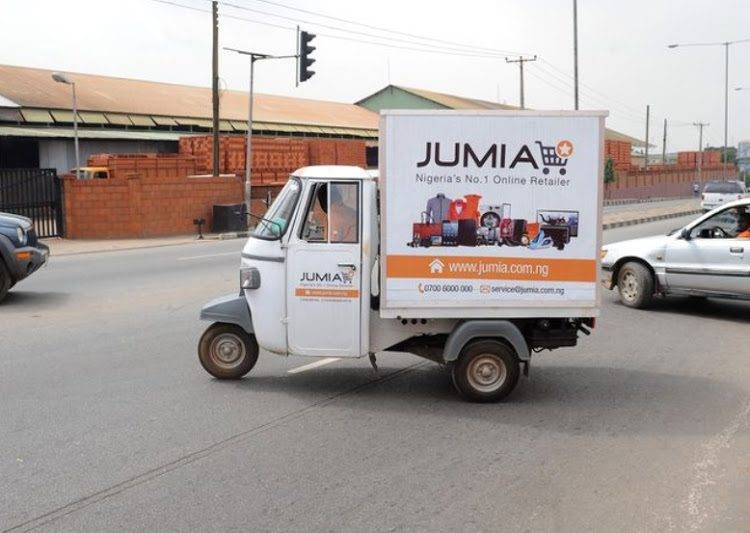
Jumia Wants to Put More Products in the Hands of African Customers
Jumia is continuing its push to expand e-commerce access across Africa, with a reported $50 million fundraising effort aimed at helping the company reach more customers and strengthen its operations. The move comes as Jumia tries to build on improving demand across its core markets, particularly Nigeria, while competing with increasingly aggressive international e-commerce platforms.
Jumia's latest reported results show strong growth and continued investment in expanding its customer base, logistics network and product availability.
Why Jumia Needs More Capital
Running an e-commerce platform across Africa is expensive.
Jumia has to invest in:
Logistics and delivery networks
Warehouses and distribution
Technology infrastructure
Customer acquisition
Seller onboarding
Marketing
Payment and fraud systems
Expansion into underserved cities
The company has increasingly focused on reaching customers outside Africa's biggest cities. Jumia says its strategy includes expanding its logistics network and onboarding more cities and locations in 2026.
Nigeria Remains a Major Market
Nigeria is particularly important to Jumia's growth strategy.
In the first quarter of 2026, Nigeria's gross merchandise value (GMV) increased 42% year over year, making the country one of Jumia's strongest-performing markets. Overall, Jumia's GMV increased 31% year over year, while revenue increased 39% to $50.6 million.
That growth suggests there is still significant demand for online shopping in Nigeria, particularly for affordable phones, electronics, fashion, household products and other consumer goods.
Jumia Is Growing Again
Jumia's latest numbers show a company attempting to turn its business around.
During Q1 2026:
Revenue: $50.6 million
Revenue growth: 39% year over year
GMV: $211.2 million
GMV growth: 31%
Orders: Up 31%
Quarterly active customers: Up 26%
Nigeria GMV: Up 42%
Jumia also reported that gross items sold from international sellers increased 87%, helped by the expansion of its Chinese seller base and supply from Turkey
Bringing More Products to African Consumers
One of Jumia's biggest opportunities is product availability. Many African consumers still face limited choices outside major cities. Jumia's marketplace model allows customers to access products from sellers across different locations and increasingly from international suppliers.
The company reported approximately 70,000 sellers on its marketplace at the end of 2025, with more than 91% of marketplace items sold coming from third-party sellers.
This creates a potentially powerful cycle:
More sellers → more products → more customers → more orders → more sellers.

International Sellers Are Becoming More Important
Jumia has been increasing its relationships with suppliers outside Africa, particularly in China.
That is important because Chinese suppliers can offer products that may not otherwise be widely available in African markets, sometimes at lower prices.
The company has also opened a new office in Yiwu, China, as part of its effort to strengthen its international supply network.
For Nigerian consumers, this could mean more affordable choices across categories such as:
Smartphones
Accessories
Electronics
Fashion
Home appliances
Beauty products
Household goods
Jumia Is Facing Stronger Competition
The African e-commerce market is becoming increasingly competitive. Jumia now faces competition from platforms such as Temu and Shein, particularly from Chinese sellers offering inexpensive products directly to African consumers. For Jumia, the challenge isn't simply getting more products onto its platform.
It needs to make those products:
Affordable + available + easy to order + reliable to deliver.
That is where additional capital could become important.
The Bigger Problem: Logistics
Getting a product to a customer in Lagos is relatively straightforward compared with delivering it to a customer in a smaller city or rural community. Africa's fragmented infrastructure makes logistics one of the biggest challenges for e-commerce companies. Jumia has therefore been expanding its delivery coverage and focusing increasingly on secondary cities.
The company reported that its logistics expansion and focus on underserved regions are central parts of its strategy for bringing more customers onto the platform.

Can Jumia Become Profitable?
That's one of the biggest questions surrounding the company. Jumia has historically operated at a loss, but its financial performance has been improving.
In Q1 2026, its adjusted EBITDA loss fell 32% year over year to $10.7 million, while management continues to target breakeven toward the end of 2026 and full-year profitability in 2027. If the company can grow customers and orders while keeping operating costs under control, additional capital could help accelerate that transition.
What More Funding Could Mean for Nigerian Customers
If Jumia successfully raises additional capital, consumers could potentially benefit from:
More Products
More international and local sellers could mean a larger selection.
Better Delivery
Additional investment could improve logistics coverage and delivery reliability.
More Competitive Prices
Greater competition between sellers could put downward pressure on prices.
Expansion Beyond Lagos and Abuja
Jumia can continue pushing into secondary cities where traditional retail options may be more limited.
Better Shopping Experience
Investment in technology could improve search, recommendations, payments and customer support.
Frequently Asked Questions
Is Jumia raising $50 million?
A $50 million fundraising figure is being reported, but I could not verify it through Jumia's latest official investor disclosures available at the time of writing. The company's latest official results instead confirm strong growth and continued investment in expansion.
How is Jumia performing in Nigeria?
Nigeria has been one of Jumia's strongest markets. Nigerian GMV increased 42% year over year in Q1 2026.
Why does Jumia need more customers?
A larger customer base can increase order volumes and improve the economics of Jumia's marketplace and logistics network.
Who competes with Jumia in Africa?
Jumia competes with local and international e-commerce platforms, including rapidly growing Chinese platforms such as Temu and Shein.
Final Thoughts
Jumia's next phase is less about simply becoming Africa's biggest online marketplace and more about making online shopping accessible to a much larger part of the continent. The company's recent numbers show encouraging momentum, with revenue, orders, GMV and active customers all growing. Nigeria is playing a particularly important role in that growth.
If the reported $50 million fundraising is completed, the real test will be how effectively Jumia converts that capital into more customers, better logistics, wider product selection and eventually sustainable profitability.
For African consumers, that could mean one thing: more products competing for their money—and potentially better prices.
Related Articles

Africa's New Unicorns: Why Moove's Rise Matters Beyond Fintech
Africa's unicorn club remains dominated by fintech, but Moove's $2.1 billion valuation signals growing opportunities for mobility, e-commerce and other tech sectors.

Moove Raises $250 Million: How a Lagos Startup Became a Global Mobility Powerhouse
Nigerian-founded mobility fintech Moove has raised $250 million at a $2.1 billion valuation. Here's how a startup that began in Lagos grew into a global mobility and autonomous vehicle company.

WhatsApp Makes Parental Controls Easier on iPhone: What African Parents Need to Know
WhatsApp is making parent-managed accounts easier to set up on iPhone. Learn how WhatsApp parental controls work, what parents can monitor, and how Nigerian and African families can protect children online.

Gemini Becomes Google’s Fastest-Growing Product Ever as It Hits 1 Billion Users
Google Gemini has reached 1 billion monthly active users, becoming the fastest Google product to hit the milestone. Here’s what is driving Gemini’s growth and what comes next.

New AirPods Could Launch Next Month: Should Nigerians Wait Before Buying?

X Money Is Here: Elon Musk's X Begins Rolling Out Its New Financial App in the U.S.
X has begun rolling out X Money to U.S. Premium subscribers, bringing peer-to-peer payments, a Visa debit card, cashback and savings yields to the social platform. Here's what it means.

Apple's iCloud Private Relay May Not Fully Hide Your IP Address, Researchers Warn
Security researchers say Apple's iCloud Private Relay may expose a user's real IP address under certain conditions. Here's what the issue means, who's affected, and whether you should be worried.
Comments (0)
Leave a comment
Comments cannot be edited or deleted after posting. Please review your comment before submitting.
No comments yet. Be the first to share your thoughts!